
Warehouse operations face increasing pressure to maximize storage capacity while maintaining the highest safety standards for workers and equipment. Steel platforms have emerged as a transformative solution that addresses both efficiency and safety challenges simultaneously, offering warehouse managers a strategic approach to optimizing their operational performance. These robust structural systems create additional usable space within existing warehouse footprints, enabling businesses to significantly increase storage capacity without expanding their physical facilities.
The integration of steel platforms into warehouse environments represents more than just vertical expansion – it fundamentally transforms how businesses approach space utilization, workflow optimization, and worker safety protocols. Modern steel platforms are engineered to meet stringent industrial standards while providing flexible configurations that adapt to diverse operational requirements. Understanding how these systems improve warehouse efficiency and safety is essential for facility managers seeking to enhance their competitive advantage in today's demanding logistics landscape.
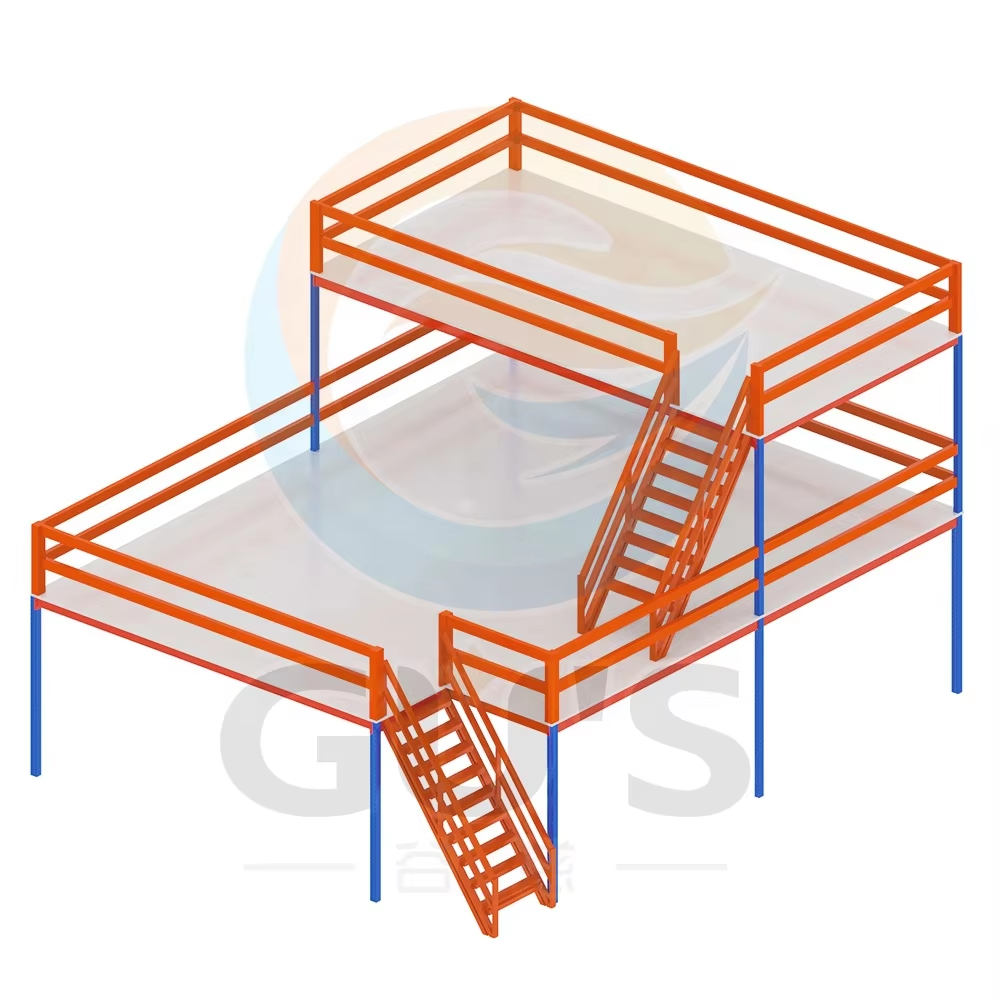
Steel platforms effectively double or triple usable warehouse space by creating additional levels above the ground floor, transforming previously unused vertical space into productive storage areas. This vertical expansion allows warehouses to maintain the same operational footprint while dramatically increasing storage capacity, making steel platforms an ideal solution for facilities facing space constraints or high real estate costs. The structural integrity of properly designed steel platforms ensures they can support substantial loads while maintaining stability and safety standards.
The configuration flexibility of steel platforms enables warehouse managers to customize layouts according to specific storage requirements, whether for lightweight inventory, heavy industrial equipment, or mixed storage applications. These systems can accommodate various ceiling heights and integrate seamlessly with existing warehouse infrastructure, including HVAC systems, lighting, and fire suppression equipment. The modular nature of steel platforms also allows for future expansion or reconfiguration as business needs evolve.
Steel platforms create dedicated zones for different product categories, enabling more sophisticated inventory management strategies that improve picking efficiency and reduce handling errors. The elevated storage areas can be designated for slow-moving inventory, seasonal items, or specialized products, while keeping fast-moving goods at ground level for optimal accessibility. This strategic organization reduces travel time for warehouse workers and creates more logical workflow patterns throughout the facility.
The improved organization facilitated by steel platforms directly impacts order fulfillment speed and accuracy, as workers can quickly locate specific items without navigating through congested ground-level areas. The clear separation between different storage zones also minimizes cross-contamination risks in environments handling diverse product types, contributing to better inventory quality control and regulatory compliance where applicable.
Steel platforms significantly reduce ground-level congestion by moving certain operations to elevated areas, creating smoother traffic flow for forklifts, pallet jacks, and personnel throughout the warehouse floor. This separation of activities minimizes bottlenecks during peak operational periods and allows for more efficient coordination between different warehouse functions. The reduction in ground-level congestion also decreases the likelihood of accidents and equipment damage caused by overcrowded work areas.
The implementation of steel platforms enables the creation of dedicated pathways and work zones that optimize material flow patterns and reduce unnecessary movement throughout the facility. Workers can complete tasks more efficiently when they have clear, unobstructed access to their designated work areas, leading to improved productivity and reduced operational costs.
Modern steel platforms are designed to accommodate advanced warehouse automation technologies, including conveyor systems, automated sorting equipment, and robotic handling solutions. The structural design of steel platforms provides stable mounting points for automated equipment while maintaining the flexibility to modify or upgrade systems as technology evolves. This integration capability ensures that steel platforms remain valuable assets even as warehouse operations become increasingly automated.
The elevated positioning of steel platforms creates ideal locations for installing oversight systems, quality control stations, and monitoring equipment that require clear sightlines across warehouse operations. These platforms can house control centers, data collection points, and maintenance stations that support both automated and manual warehouse processes, contributing to overall operational efficiency and system reliability.
Steel platforms incorporate multiple safety features designed to protect workers operating at elevated levels, including guardrails, safety gates, and non-slip flooring surfaces that meet or exceed industry safety standards. These integrated safety systems reduce the risk of falls and injuries while providing workers with confidence to perform their duties efficiently at elevated heights. The robust construction of steel platforms ensures structural stability under dynamic loading conditions, maintaining safety margins even during intensive operational periods.
The design of steel platforms includes strategic placement of emergency exits, evacuation routes, and safety equipment storage areas that enable rapid response to emergency situations. Safety lighting systems integrated into steel platforms provide adequate illumination for all work areas, reducing the risk of accidents caused by poor visibility conditions. These comprehensive safety measures demonstrate the commitment to worker protection that steel platforms bring to warehouse environments.
Steel platforms are constructed from fire-resistant materials that help contain potential fire hazards and provide additional time for emergency response and evacuation procedures. The open design of steel platforms allows for effective integration of sprinkler systems and fire suppression equipment, ensuring comprehensive coverage throughout all elevated work areas. The non-combustible nature of steel construction reduces fire load and helps prevent the spread of flames between different warehouse levels.
Emergency access planning is enhanced by steel platforms through the creation of multiple egress routes and the provision of clear evacuation pathways that don't interfere with ground-level emergency operations. The structural stability of steel platforms ensures they remain accessible during emergency situations, providing secure evacuation routes even under adverse conditions.
Steel platforms provide a more economical solution for increasing warehouse capacity compared to facility expansion or relocation, delivering significant cost savings while maintaining operational continuity. The installation of steel platforms typically requires minimal disruption to ongoing warehouse operations, allowing businesses to continue serving customers while expanding their storage capabilities. This approach eliminates the substantial costs associated with acquiring additional real estate, construction permits, and facility relocation expenses.
The long-term durability of steel platforms ensures sustained value over many years of operation, with minimal maintenance requirements and the ability to withstand demanding industrial environments. The modular design of steel platforms also provides flexibility for future modifications or expansions, protecting the initial investment and allowing for adaptation to changing business requirements without complete system replacement.
Steel platforms contribute to improved labor productivity by creating more organized work environments that reduce time spent searching for inventory and navigating congested areas. Workers can complete tasks more efficiently when they have access to well-organized, dedicated work zones with appropriate safety features and ergonomic considerations. The improved organization and accessibility provided by steel platforms directly translate to reduced labor costs and improved order fulfillment performance.
The operational efficiency gains from steel platforms extend beyond immediate productivity improvements to include reduced error rates, lower inventory damage, and improved customer satisfaction through faster, more accurate order processing. These benefits compound over time, providing substantial return on investment that justifies the initial capital expenditure on steel platforms.
The successful implementation of steel platforms requires careful engineering analysis to ensure adequate load capacity for intended applications while maintaining structural integrity under all operating conditions. Professional structural engineers must evaluate existing building conditions, foundation capacity, and seismic requirements to design steel platforms that meet all relevant building codes and safety standards. The load distribution characteristics of steel platforms must be calculated to prevent overloading of supporting structures and ensure safe operation under maximum capacity conditions.
Steel platforms must be designed to accommodate both static loads from stored inventory and dynamic loads from equipment operation, worker movement, and material handling activities. The engineering specifications for steel platforms should include appropriate safety factors that account for potential load variations and ensure reliable performance throughout the expected service life of the installation.
Successful steel platform installations require careful coordination with existing warehouse infrastructure, including electrical systems, HVAC distribution, fire suppression equipment, and communication networks. The design process must account for utility routing, access requirements, and maintenance considerations to ensure that steel platforms enhance rather than complicate facility operations. Integration planning should also consider future technology upgrades and system modifications that may be required as warehouse operations evolve.
The installation process for steel platforms should be scheduled to minimize disruption to ongoing warehouse operations, with careful attention to safety protocols and temporary operational modifications during construction. Proper project management ensures that steel platforms are installed efficiently while maintaining the highest safety standards for both construction workers and warehouse personnel who continue working in the facility.
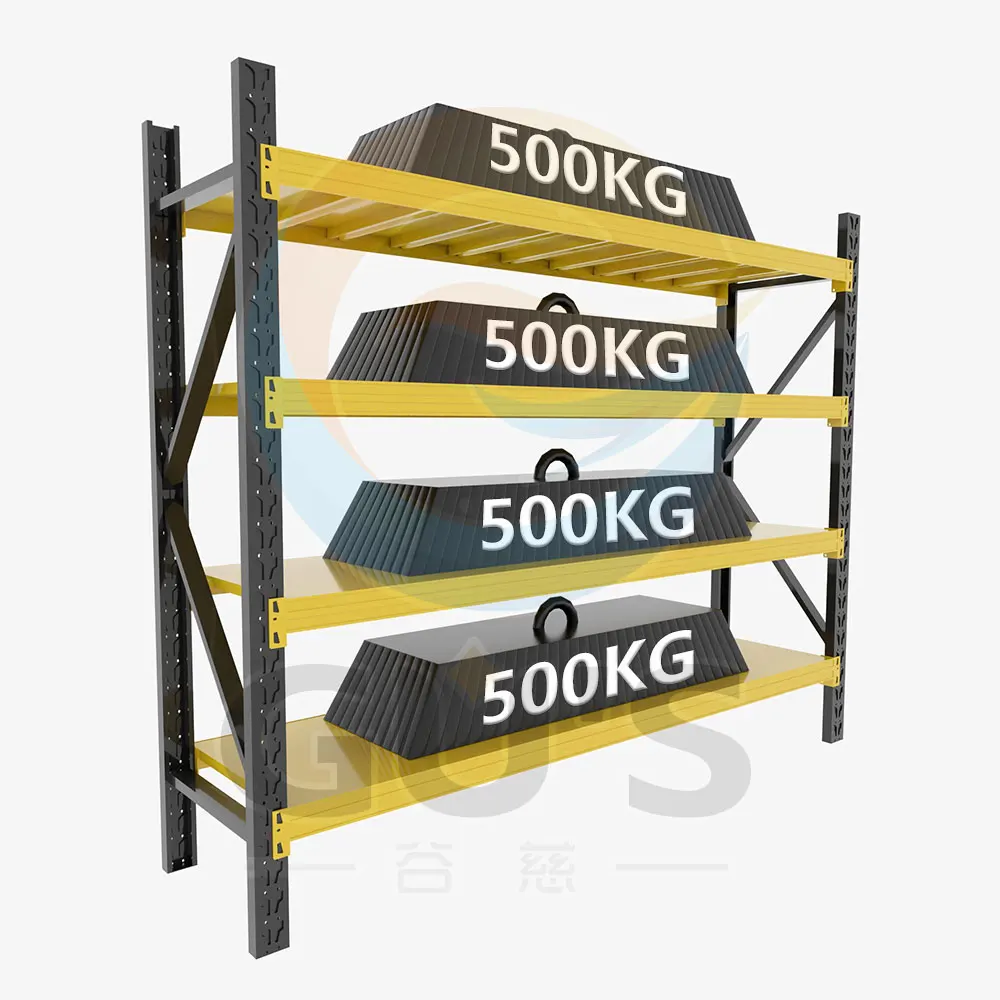
Steel platforms can be engineered to support a wide range of weight capacities depending on specific design requirements, typically ranging from 50 pounds per square foot for light storage applications to over 250 pounds per square foot for heavy industrial use. The actual load capacity depends on factors such as span length, support spacing, steel grade, and design specifications that must be determined through professional structural engineering analysis for each specific application.
Steel platforms can be seamlessly integrated with existing warehouse management systems through strategic placement of scanning equipment, RFID readers, and data collection points throughout the elevated storage areas. The platforms provide stable mounting surfaces for technology infrastructure while maintaining network connectivity through properly designed cable management systems. This integration ensures that inventory tracking and management capabilities extend throughout all levels of the warehouse facility.
Installation timeframes for steel platforms vary based on system complexity and size, but most installations can be completed within 2-6 weeks with minimal disruption to ongoing warehouse operations. The modular construction approach allows sections to be installed progressively, enabling continued use of warehouse areas not under construction. Professional installation teams coordinate with warehouse management to schedule work during low-activity periods and implement safety protocols that protect both workers and ongoing operations.
Steel platforms are designed to meet or exceed relevant safety codes and regulations, including OSHA requirements for elevated work surfaces, guardrail specifications, and emergency egress provisions. The installation includes comprehensive safety features such as proper lighting, non-slip surfaces, safety gates, and emergency equipment access points that help warehouses maintain compliance with workplace safety regulations. Regular inspection and maintenance protocols ensure continued compliance throughout the operational life of the steel platform systems.

Be the first to get our latest styles and offers.
No.11 plant of Jiawei Enterprise,Longyou Industrial Park,Longyou County,Quzhou City,Zhejiang Province Post code: 324407
Copyright © 2026 Guci Cross Border E-Commerce (Quzhou City) Co., Ltd. All rights reserved. - Privacy Policy
 EN
EN
 Hot News