
Proper maintenance of stacking racks is crucial for ensuring operational efficiency, worker safety, and maximizing the return on your warehouse equipment investment. Without a structured maintenance approach, even the most robust stacking racks can deteriorate rapidly, leading to structural failures, inventory damage, and costly operational disruptions that could have been easily prevented through proactive care.
Maintaining stacking racks requires a systematic approach that encompasses daily inspections, regular cleaning protocols, load management practices, and preventive maintenance schedules. This comprehensive guide will walk you through proven maintenance strategies that warehouse managers and facility operators use to keep their stacking racks performing at peak efficiency while extending their operational lifespan significantly.
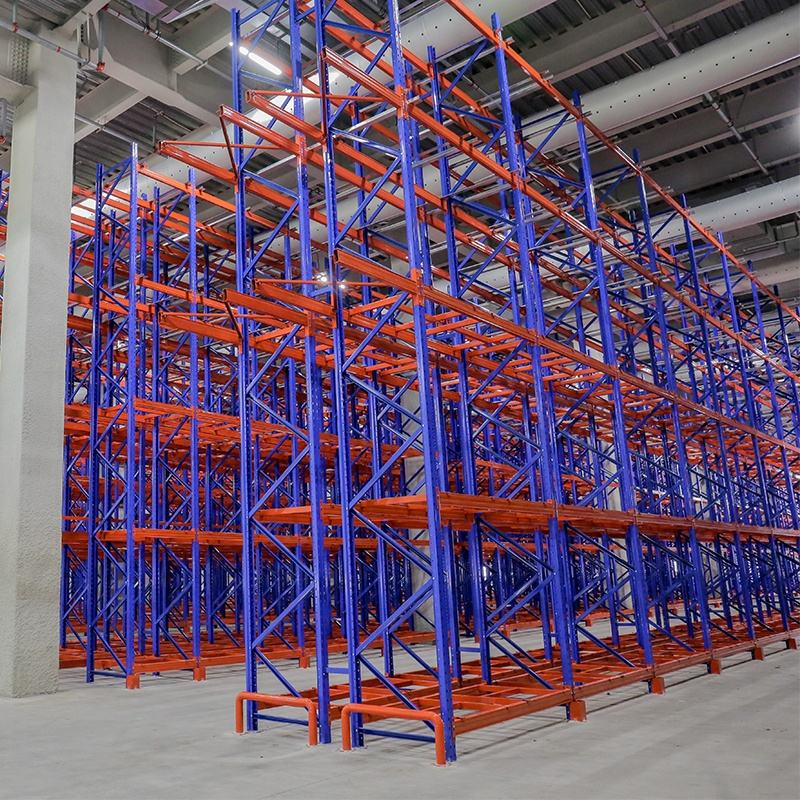
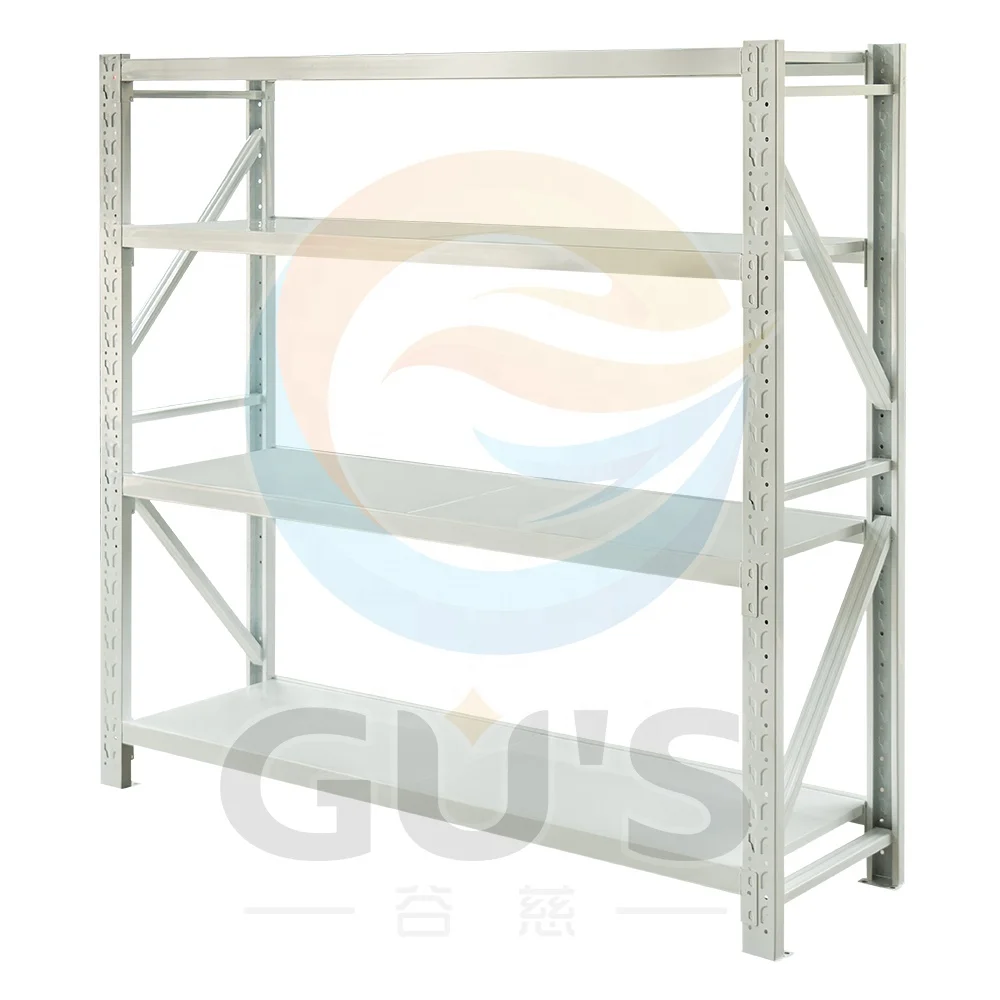
The structural integrity of stacking racks depends heavily on the condition of welded joints and the main framework. These components bear the primary load stress and require regular inspection for signs of fatigue, cracking, or deformation. Metal fatigue typically manifests as hairline cracks near weld points, which can propagate rapidly under continued loading cycles if left unaddressed.
Visual inspection of welded joints should focus on discoloration, rust formation, and any visible separation between joined materials. The framework itself must be checked for straightness, as bending or warping indicates overloading or impact damage that compromises the rack's load-bearing capacity. Regular measurement of critical dimensions ensures that stacking racks maintain their designed tolerances for safe operation.
Surface treatments and protective coatings on the framework require attention to prevent corrosion that weakens the underlying metal structure. Any chips, scratches, or wear in powder coating or galvanized surfaces should be addressed promptly to maintain the protective barrier against environmental factors that accelerate deterioration.
The horizontal surfaces where inventory rests represent critical wear points on stacking racks that directly affect load distribution and stability. These surfaces must remain flat, smooth, and free from damage that could cause uneven loading or create stress concentrations. Regular inspection should identify any warping, denting, or surface irregularities that develop from repeated loading cycles.
Contact points where stacking racks interface with handling equipment require particular attention, as these areas experience high-frequency impacts and abrasion. Wear patterns on these surfaces indicate handling practices that may need adjustment to reduce accelerated deterioration. Maintaining smooth, undamaged contact surfaces ensures proper load transfer and prevents equipment damage during stacking and retrieval operations.
The condition of load-bearing surfaces directly impacts the performance characteristics of stacking racks, affecting both capacity utilization and operational safety. Damaged surfaces can create instability that propagates through stacked configurations, making surface maintenance a critical aspect of overall rack performance.
Bolts, pins, latches, and other connecting hardware serve as the mechanical links that maintain structural continuity in stacking racks. These components experience cyclic loading and must be inspected regularly for loosening, wear, or corrosion that affects their holding capacity. Proper torque specifications must be maintained on threaded fasteners to ensure adequate clamping force without over-stressing the hardware.
Connecting hardware often operates in environments with dust, moisture, and temperature variations that can accelerate wear and corrosion. Lubrication of moving parts and protection of threaded surfaces helps maintain proper function and extends component life. Replacement of worn hardware before failure prevents more extensive damage to the rack structure and ensures continued operational reliability.
Daily visual inspections form the foundation of effective stacking racks maintenance, enabling early detection of issues before they develop into serious problems. Warehouse personnel should be trained to recognize signs of damage, wear, and misalignment that indicate maintenance needs. A systematic visual inspection covers all accessible surfaces, joints, and hardware components using a consistent checklist approach.
The inspection process should document any observed changes from previous assessments, including new damage, progressive wear, or alignment issues. Photographic documentation of problem areas provides valuable reference material for tracking deterioration rates and planning maintenance interventions. Visual inspections are most effective when conducted by personnel familiar with normal rack appearance and performance characteristics.
Lighting conditions significantly affect the quality of visual inspections, requiring adequate illumination to reveal surface defects, cracks, and other damage indicators. Portable lighting equipment may be necessary for inspecting areas with limited natural or fixed lighting, ensuring that all critical components receive proper examination during routine assessments.
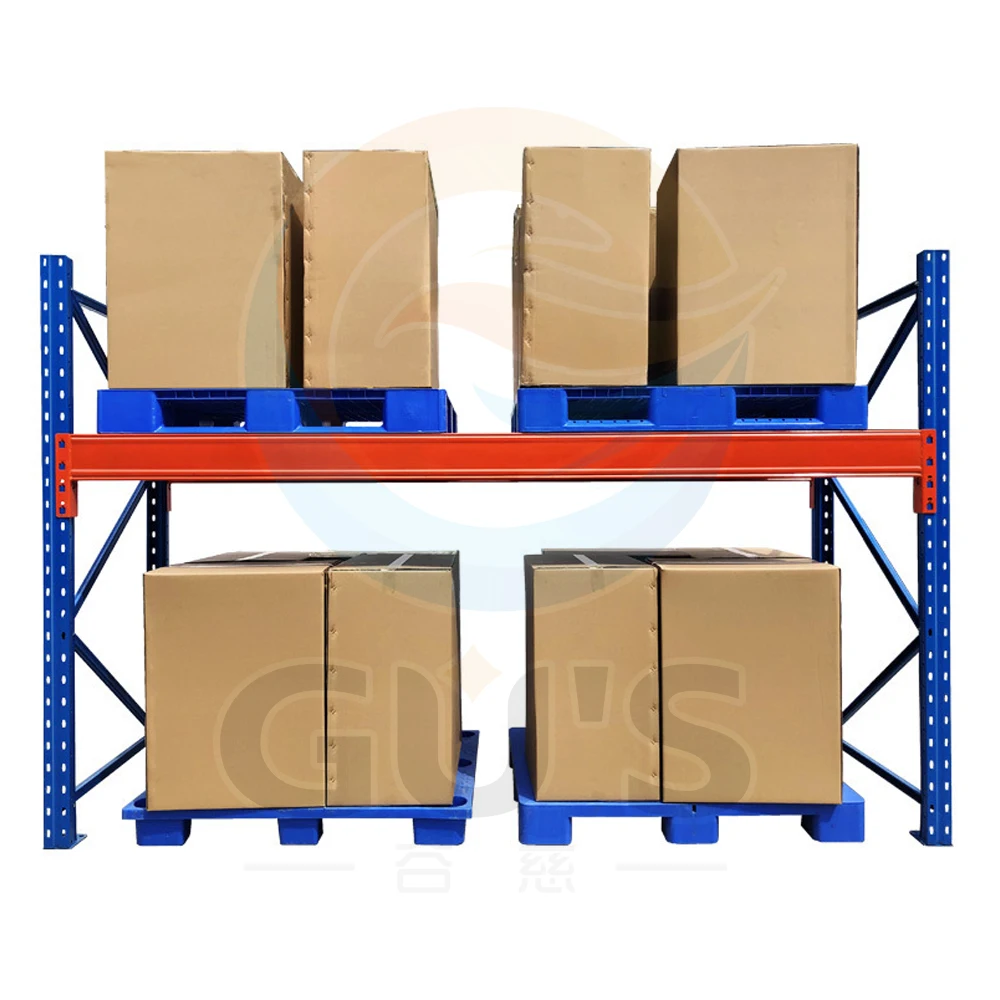
Weekly verification of load distribution across stacking racks helps identify misuse patterns that accelerate wear and reduce operational safety margins. This assessment involves checking that loads are centered properly, weights are within specified limits, and stacking configurations follow established protocols. Improper loading creates stress concentrations that can cause premature failure of rack components.
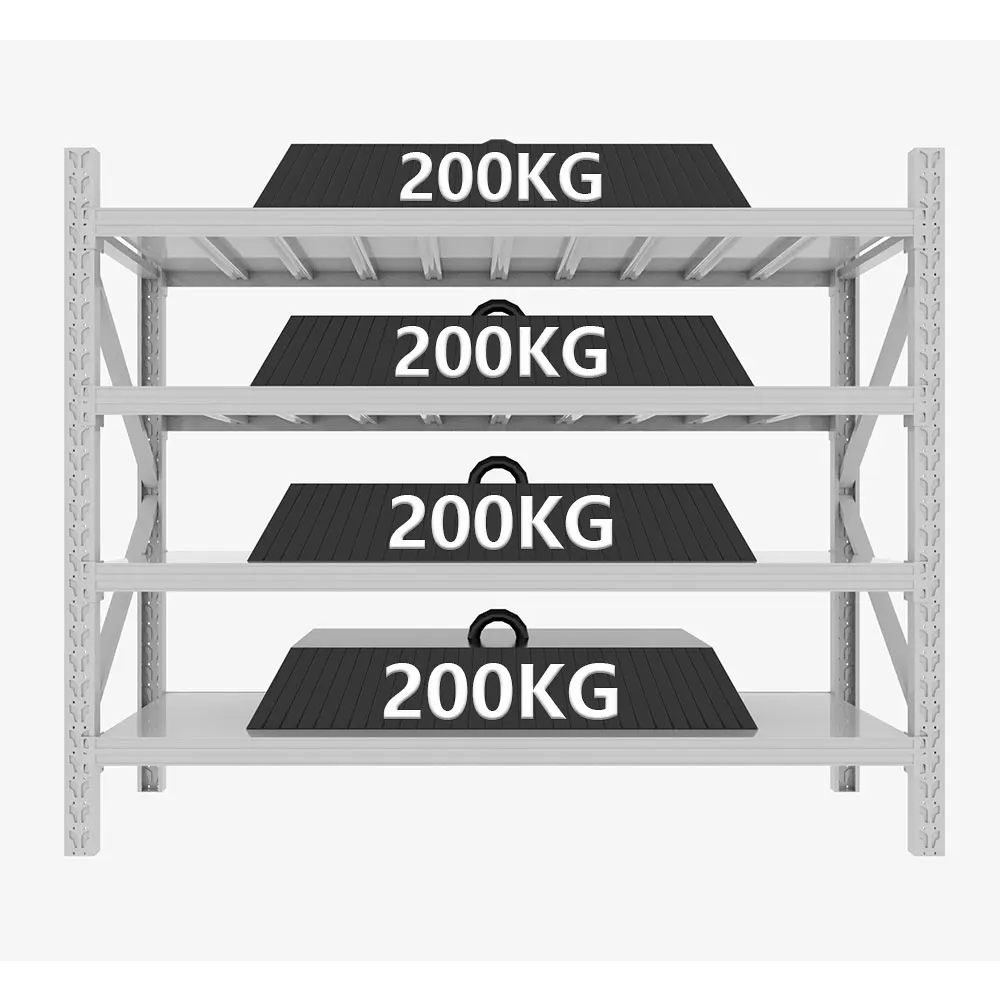
Load verification includes measuring actual weights when possible and comparing them to the rated capacity of stacking racks being used. Weight distribution should be relatively uniform across load-bearing surfaces to prevent overloading of individual structural elements. Documentation of loading patterns helps identify trends that may require operational adjustments or additional training for warehouse personnel.
Verification procedures should also assess the stability of stacked configurations, ensuring that loaded racks maintain proper alignment and do not exhibit excessive deflection or movement. Any signs of instability require immediate attention to prevent load shifting or structural failure that could damage inventory and endanger personnel safety.
Monthly deep cleaning of stacking racks removes accumulated debris, dust, and contaminants that can accelerate corrosion and interfere with proper operation. The cleaning process should include all accessible surfaces, joints, and moving parts using appropriate cleaning agents that do not damage protective coatings or metal surfaces. Pressure washing may be suitable for outdoor installations, while indoor racks typically require manual cleaning methods.
Lubrication of moving components follows the cleaning process, applying appropriate lubricants to hinges, latches, and sliding surfaces according to manufacturer specifications. The lubrication schedule must consider environmental conditions such as temperature extremes, humidity levels, and exposure to dust or chemicals that affect lubricant performance. Proper lubrication reduces wear rates and maintains smooth operation of mechanical components.
Documentation of cleaning and lubrication activities provides maintenance history that supports warranty claims and helps optimize maintenance intervals based on actual operating conditions. Regular photography of rack conditions before and after cleaning helps track the effectiveness of maintenance procedures and identify areas requiring additional attention.
Quarterly structural assessments involve detailed examination of stacking racks using measurement tools and testing procedures to verify continued structural integrity. These assessments go beyond visual inspection to include dimensional verification, deflection testing, and detailed examination of critical joints and connections. Professional inspection may be required for complex installations or when structural concerns are identified.
Measurement procedures should verify that stacking racks maintain their designed dimensions and alignment tolerances. Significant deviations from specifications indicate structural problems that require immediate attention to prevent further deterioration or failure. Load testing may be appropriate for racks showing signs of structural compromise or following repairs to verify restored capacity.
Structural assessment results should be documented thoroughly and compared to previous inspections to track changes over time. This historical data helps predict maintenance needs and supports decisions about rack replacement or major repair interventions before problems affect operational safety or efficiency.
Corrosion represents one of the most common maintenance challenges for stacking racks, particularly in environments with high humidity, temperature fluctuations, or exposure to corrosive substances. Prevention strategies include maintaining protective coatings, controlling environmental factors where possible, and promptly addressing any coating damage that exposes bare metal to corrosive conditions.
Treatment of existing corrosion involves removing rust and corrosion products, preparing the surface properly, and applying appropriate protective coatings to restore corrosion resistance. The extent of treatment required depends on the severity of corrosion, ranging from simple touch-up coating to complete surface refinishing for heavily affected areas. Early intervention prevents corrosion from spreading and maintains the structural integrity of stacking racks.
Environmental control measures such as improved ventilation, humidity control, and protection from direct exposure to moisture help reduce corrosion rates and extend the effectiveness of preventive treatments. Regular monitoring of environmental conditions helps optimize maintenance schedules and identify situations requiring enhanced protection measures.
Maintaining the rated load capacity of stacking racks requires ongoing attention to structural condition, proper loading practices, and prompt repair of any damage that affects load-bearing capability. Capacity verification involves reviewing manufacturer specifications, assessing current structural condition, and determining whether modifications or repairs are needed to maintain safe operating limits.
Restoration of damaged stacking racks may involve welding repairs, component replacement, or structural reinforcement depending on the nature and extent of damage. All repair work should follow appropriate welding procedures and material specifications to ensure that restored components meet or exceed original design requirements. Post-repair inspection and testing verify that capacity has been properly restored.
Documentation of capacity-related maintenance activities supports ongoing safety management and provides evidence of proper maintenance practices for insurance and regulatory compliance purposes. Regular capacity verification helps maintain confidence in the safety and reliability of stacking racks throughout their operational life.
Stacking racks should undergo daily visual inspections by warehouse personnel, weekly load verification checks, monthly deep cleaning and lubrication, and quarterly comprehensive structural assessments. The frequency may need to be increased in harsh operating environments or high-usage applications where accelerated wear occurs.
Critical warning signs include visible cracks in welds or structural members, significant rust or corrosion, bent or deformed components, loose or missing fasteners, unusual noises during operation, and any visible instability or excessive deflection under load. These conditions require immediate attention to prevent safety hazards.
Many types of damage to stacking racks can be repaired effectively using proper welding techniques, component replacement, or structural reinforcement. However, extensive corrosion, major structural deformation, or repeated failure of the same components may indicate that replacement is more cost-effective than continued repairs.
Proper maintenance can extend the operational lifespan of stacking racks by several years while maintaining their full load capacity and operational reliability. Well-maintained racks experience fewer unexpected failures, require less emergency repair work, and continue to provide safe, efficient storage solutions throughout their extended service life.

Be the first to get our latest styles and offers.
No.11 plant of Jiawei Enterprise,Longyou Industrial Park,Longyou County,Quzhou City,Zhejiang Province Post code: 324407
Copyright © 2026 Guci Cross Border E-Commerce (Quzhou City) Co., Ltd. All rights reserved. - Privacy Policy
 EN
EN
 Hot News