
Stacking racks represent a versatile warehousing solution that transforms storage efficiency across numerous industrial applications. These modular storage systems provide stackable functionality that maximizes vertical space utilization while maintaining accessibility and organization. Understanding which specific applications derive the greatest benefit from stacking racks enables businesses to make informed decisions about their storage infrastructure investments and operational improvements.
The strategic implementation of stacking racks varies significantly depending on industry requirements, product characteristics, and operational workflows. Certain applications demonstrate exceptional compatibility with stacking rack systems due to their unique storage demands, handling patterns, and space constraints. Identifying these high-impact applications helps organizations optimize their storage strategies and achieve measurable improvements in efficiency, cost-effectiveness, and operational flexibility.
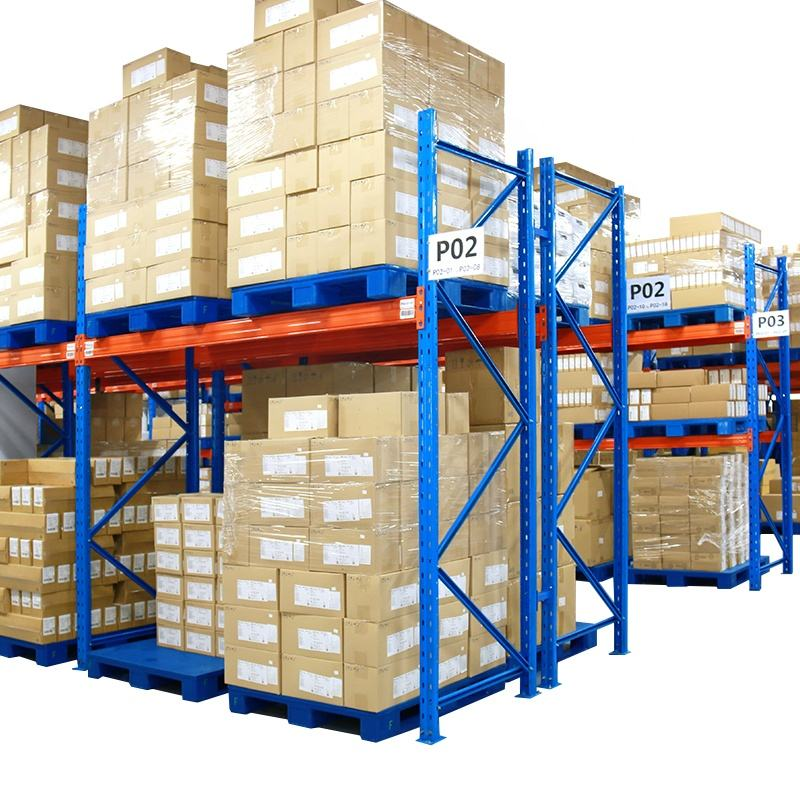
Manufacturing facilities experience tremendous benefits from stacking racks when managing component inventories and work-in-progress materials. These environments require flexible storage solutions that can accommodate varying part sizes, temporary storage needs, and frequent inventory turnover. Stacking racks excel in manufacturing settings because they provide modular storage that adapts to changing production schedules and material requirements without requiring permanent infrastructure modifications.
The stackable nature of these systems allows manufacturing operations to scale storage capacity dynamically based on production demands. During peak manufacturing periods, additional rack levels can be deployed to handle increased inventory volumes. When production slows, the modular design enables easy reconfiguration or temporary storage consolidation, optimizing floor space utilization throughout different operational phases.
Quality control processes in manufacturing benefit significantly from stacking racks because they facilitate organized segregation of materials at different inspection stages. Components awaiting quality review, approved materials ready for production, and rejected items requiring rework can be systematically organized using dedicated stacking rack configurations, improving traceability and reducing processing errors.
Assembly operations leverage stacking racks for efficient kitting and line-side storage applications. These systems support just-in-time manufacturing principles by enabling organized storage of pre-assembled kits, sub-assemblies, and components positioned strategically near production lines. The mobility and stackability of these racks allow manufacturing teams to position materials precisely where needed without creating permanent storage obstacles.
Automotive manufacturing represents an excellent example of stacking rack applications in assembly environments. Vehicle production lines utilize these systems to organize engine components, interior assemblies, and body panels in sequence-specific arrangements that support lean manufacturing workflows. The ability to stack materials vertically while maintaining easy access enables assembly teams to retrieve components efficiently without disrupting production flow.
Electronics manufacturing also demonstrates exceptional compatibility with stacking racks for organizing circuit boards, cable assemblies, and sensitive components that require controlled storage environments. The modular design allows electronics manufacturers to create dedicated storage zones for different component categories while maintaining the flexibility to reconfigure layouts based on changing product specifications or production volumes.
Distribution centers handling seasonal merchandise experience significant advantages from stacking racks due to their ability to accommodate fluctuating inventory levels throughout different seasons. Retailers managing holiday merchandise, sporting goods distributors handling seasonal equipment, and agricultural suppliers storing seasonal products all benefit from the scalable storage capacity that stacking racks provide during peak and off-peak periods.
The temporary nature of seasonal storage requirements makes stacking racks particularly valuable because they can be deployed quickly when inventory volumes increase and easily reconfigured or stored when seasonal demand subsides. This flexibility eliminates the need for permanent storage infrastructure that would remain underutilized during off-season periods, optimizing both space utilization and capital investment efficiency.
Fashion distribution centers exemplify effective seasonal stacking rack applications by organizing clothing collections according to seasonal launches, promotional campaigns, and clearance cycles. The ability to create dedicated storage zones for different seasons while maintaining easy access for order fulfillment enables fashion distributors to manage complex inventory transitions efficiently without disrupting ongoing operations.
E-commerce fulfillment operations leverage stacking racks to optimize picking efficiency and accommodate the diverse product mix typical of online retail environments. These facilities benefit from the flexibility to organize products by velocity, size, or category using modular stacking configurations that support efficient order picking workflows while maintaining high storage density in valuable warehouse space.
The rapid growth patterns common in e-commerce businesses make stacking racks particularly valuable because they enable storage capacity expansion without requiring major facility modifications or long-term infrastructure commitments. Online retailers can scale their storage systems incrementally as business volumes grow, maintaining operational flexibility while controlling capital expenditures during periods of rapid expansion.
Returns processing represents another critical e-commerce application where stacking racks excel by providing organized storage for returned merchandise at different stages of the returns workflow. Products awaiting inspection, items ready for restocking, and damaged goods requiring disposal can be systematically segregated using dedicated stacking rack configurations that improve processing efficiency and inventory accuracy.
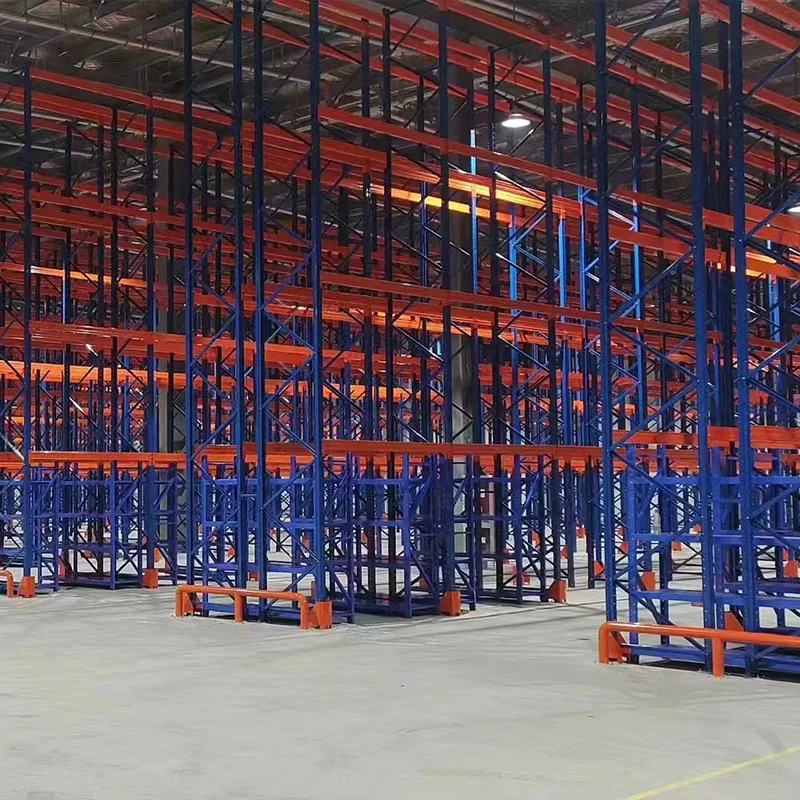
Cold storage facilities demonstrate exceptional compatibility with stacking racks because these systems maximize storage density in expensive refrigerated space while maintaining the accessibility required for proper inventory rotation and temperature monitoring. Food distributors, pharmaceutical companies, and beverage manufacturers utilize stacking racks to optimize their cold storage investments while ensuring product quality and regulatory compliance.
The modular design of stacking racks enables cold storage operators to create efficient storage layouts that accommodate different product sizes and packaging configurations without compromising temperature consistency or air circulation patterns. This flexibility proves particularly valuable in multi-temperature facilities where different storage zones require different rack configurations to optimize space utilization across varying temperature requirements.
Beverage distribution represents a prime example of effective stacking rack applications in cold storage environments. Breweries, soft drink distributors, and dairy processors use these systems to organize products by production date, ensuring proper first-in-first-out rotation while maintaining high storage density in valuable refrigerated space. The stackable design enables efficient vertical storage that maximizes cold storage capacity while preserving accessibility for inventory management and order fulfillment.
Food processing facilities benefit significantly from stacking racks for organizing raw materials, packaging supplies, and finished products in hygienic storage environments that support food safety requirements. These operations require storage solutions that facilitate thorough cleaning, prevent contamination, and maintain organized workflows that support traceability and quality control processes throughout food production cycles.
The open design characteristics common in industrial stacking racks support effective cleaning and sanitization procedures required in food processing environments. Unlike enclosed storage systems, stacking racks allow thorough cleaning access that helps food processors maintain the hygienic conditions necessary for regulatory compliance and product safety assurance.
Packaging operations within food processing facilities utilize stacking racks to organize containers, labels, and packaging materials in configurations that support efficient production workflows while maintaining inventory organization. The ability to stack packaging supplies vertically while preserving easy access enables packaging teams to maintain continuous production flow without creating storage bottlenecks or workspace congestion.
Retail operations benefit from stacking racks in back-of-house storage areas where space efficiency and inventory accessibility directly impact customer service and operational profitability. Retailers utilize these systems to organize overstock inventory, promotional merchandise, and seasonal products in configurations that maximize valuable retail space while maintaining efficient replenishment workflows that support customer-facing operations.
The modular nature of stacking racks enables retail managers to reconfigure storage layouts quickly in response to changing merchandise mix, promotional campaigns, or seasonal inventory shifts without requiring permanent modifications to storage infrastructure. This operational flexibility proves particularly valuable for retailers managing diverse product categories or frequent inventory changes throughout different selling seasons.
Grocery stores demonstrate effective stacking rack applications for organizing promotional displays, bulk packaging, and overstock items in storage areas that require frequent access for store replenishment. The ability to create organized storage zones for different product categories while maintaining easy access for staff enables grocery operations to maintain well-stocked shelves without creating storage inefficiencies in valuable retail space.
Temporary retail installations and pop-up stores benefit tremendously from stacking racks due to their portability, quick setup capabilities, and professional appearance that supports effective merchandise presentation. Event retailers, seasonal vendors, and mobile retail operations utilize these systems to create organized storage and display configurations that can be deployed quickly and reconfigured easily throughout different selling events or locations.
The stackable design enables temporary retail operations to maximize merchandise display density while maintaining organized storage for backup inventory, promotional materials, and operational supplies. This dual functionality proves particularly valuable for mobile retail operations where space efficiency and professional presentation directly impact sales effectiveness and customer perception.
Trade show exhibitors represent another excellent application for stacking racks because these systems provide organized storage for promotional materials, product samples, and booth supplies while supporting attractive merchandise displays that enhance visitor engagement. The mobility and modular design enable exhibitors to optimize their booth layouts efficiently while maintaining professional appearances that support marketing objectives.
Manufacturing, food and beverage, and e-commerce fulfillment industries typically achieve the highest returns from stacking racks due to their combination of space constraints, inventory variability, and operational flexibility requirements. These sectors benefit from both the immediate space optimization and long-term adaptability that stacking racks provide, creating measurable improvements in operational efficiency and cost-effectiveness.
Stacking racks offer superior flexibility for seasonal businesses compared to traditional shelving because they can be easily reconfigured, stored when not needed, and scaled up or down based on inventory volumes. Traditional shelving requires permanent installation and cannot adapt to changing storage needs, making stacking racks more cost-effective for businesses with significant seasonal variation in inventory requirements.
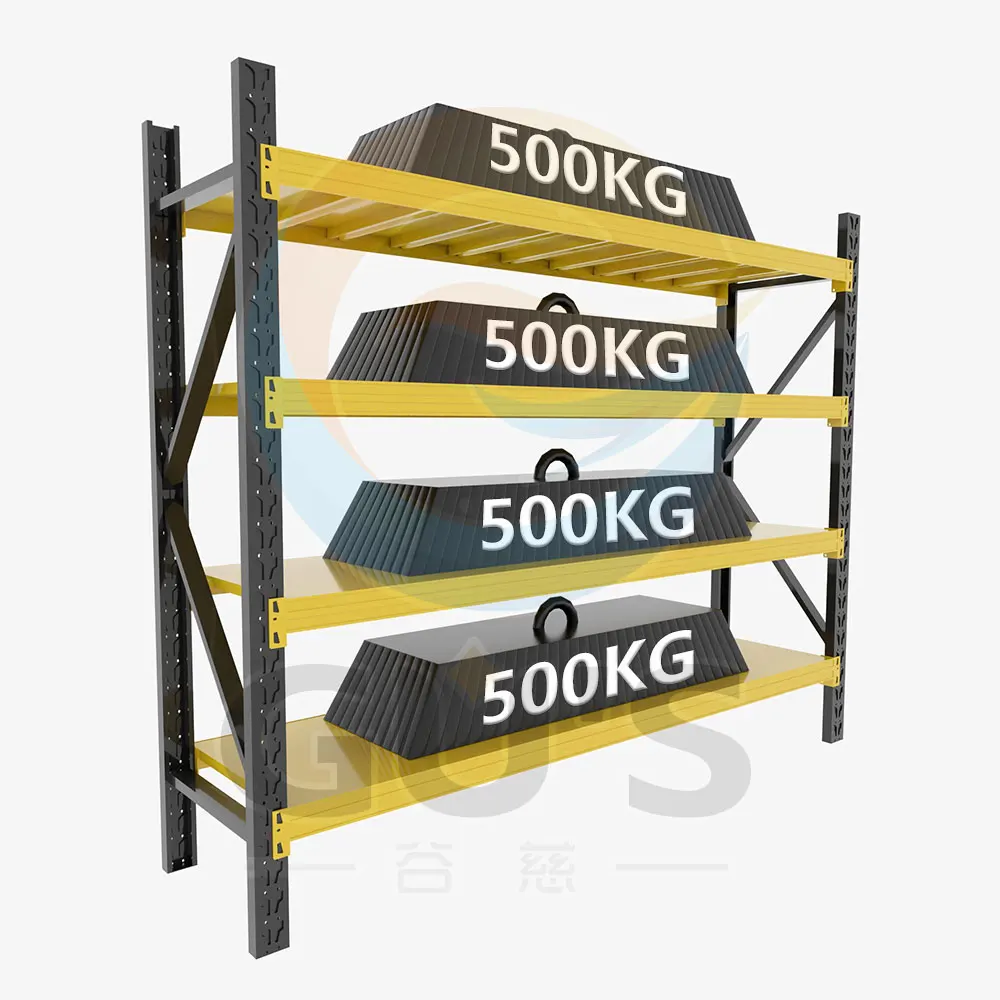
Industrial stacking racks typically support weight capacities ranging from 500kg to 2000kg per tier, depending on construction materials and design specifications. Manufacturing applications often require higher capacity systems for heavy components, while retail and e-commerce applications may utilize medium-duty systems that balance capacity with mobility and reconfiguration flexibility.
Modern stacking racks integrate effectively with warehouse management systems through barcode scanning, RFID tracking, and location-based inventory management protocols. The modular nature of these systems actually enhances WMS integration by creating clearly defined storage locations that improve inventory accuracy and picking efficiency compared to less organized storage methods.

Be the first to get our latest styles and offers.
No.11 plant of Jiawei Enterprise,Longyou Industrial Park,Longyou County,Quzhou City,Zhejiang Province Post code: 324407
Copyright © 2026 Guci Cross Border E-Commerce (Quzhou City) Co., Ltd. All rights reserved. - Privacy Policy
 EN
EN
 Hot News