
Selecting the right heavy duty racks for high-load applications requires careful evaluation of multiple engineering and operational factors that directly impact warehouse efficiency, safety, and long-term cost-effectiveness. The decision-making process involves analyzing load requirements, structural specifications, environmental conditions, and compatibility with existing warehouse management systems to ensure optimal performance under demanding industrial conditions.
High-load applications demand storage solutions that can withstand substantial weight while maintaining structural integrity over extended periods of intensive use. Understanding the technical specifications, safety margins, and application-specific requirements becomes crucial for making informed decisions that protect both inventory and personnel while maximizing storage capacity and operational workflow efficiency.
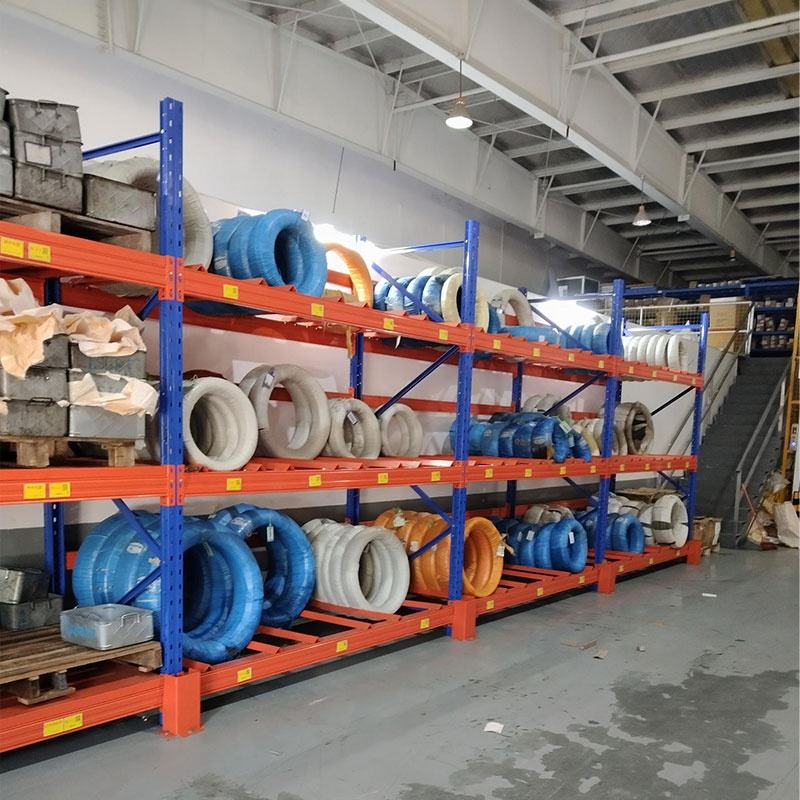
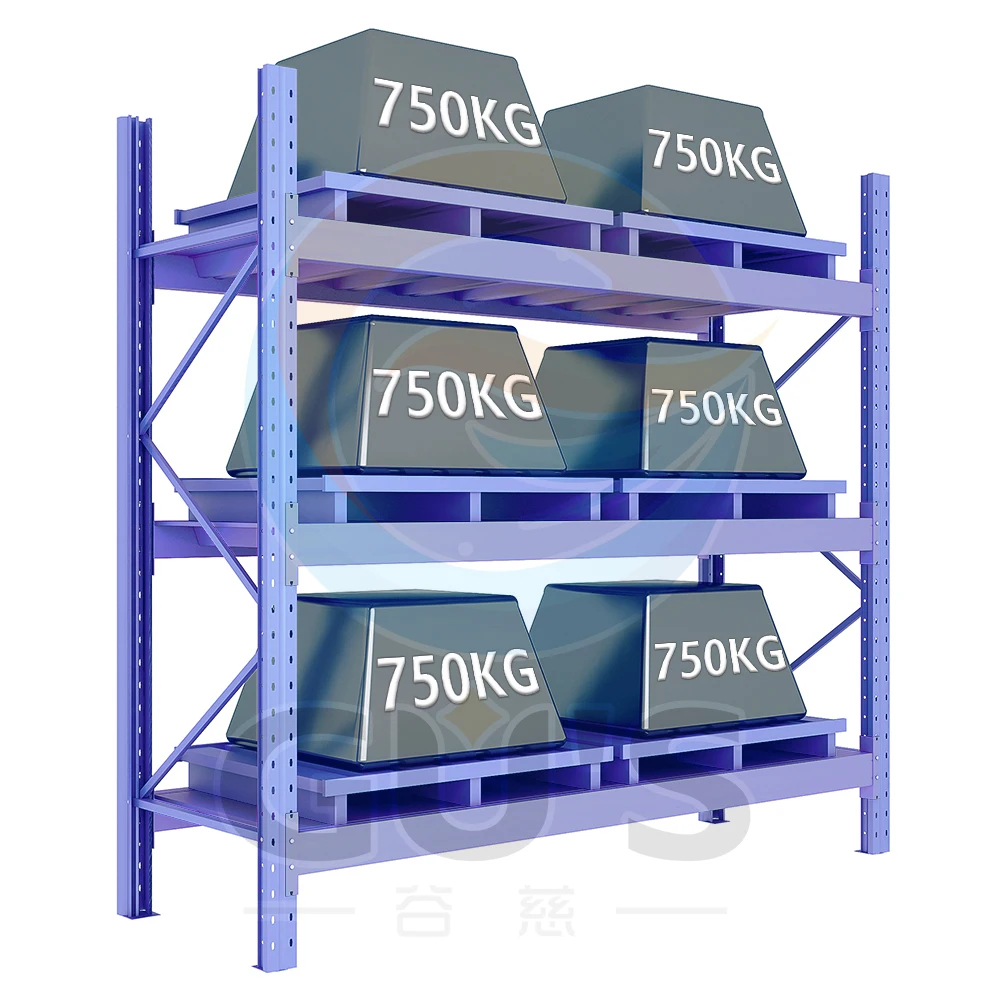
Heavy duty racks must be evaluated based on both static and dynamic load capacities to ensure safe operation under real-world conditions. Static load represents the maximum weight the rack can support when goods remain stationary, while dynamic loads account for the additional stresses created during loading, unloading, and material handling operations with forklifts or other equipment.
Professional engineers recommend applying safety factors of 2:1 to 3:1 when calculating load requirements, meaning the rack's rated capacity should exceed actual loads by 200-300% to account for impact forces, uneven weight distribution, and potential overloading scenarios. This conservative approach prevents structural failure and extends equipment lifespan in demanding industrial environments.
Dynamic load considerations become particularly critical when heavy duty racks are used with automated material handling systems or high-frequency loading operations. The repetitive stress from forklift impacts, vibrations from nearby machinery, and sudden load changes can create fatigue stress that gradually weakens structural components over time.
Proper weight distribution across heavy duty racks prevents localized stress concentrations that could lead to premature failure or structural damage. Point loading occurs when heavy items concentrate their weight on small contact areas, creating pressure points that exceed the rack's distributed load capacity even when total weight remains within acceptable limits.
Industrial applications often involve irregular shaped items, machinery components, or bulk materials that create uneven loading patterns requiring specialized consideration during rack selection. Understanding how different load configurations affect structural performance helps prevent costly failures and ensures safe operation under varying inventory conditions.
Beam deflection calculations become essential for applications involving long spans or heavy concentrated loads, as excessive deflection can compromise structural integrity and create safety hazards even when ultimate load capacity is not exceeded. Professional structural analysis may be required for critical applications involving extremely heavy or irregularly shaped items.
The steel grade used in heavy duty racks directly determines load-bearing capacity, durability, and resistance to deformation under stress. High-strength structural steel grades such as ASTM A572 or equivalent provide superior tensile strength and yield characteristics compared to standard mild steel, enabling higher load capacities with reduced material thickness and weight.
Cold-rolled steel construction offers improved dimensional accuracy and surface finish compared to hot-rolled alternatives, resulting in better fit tolerances and enhanced corrosion resistance. The manufacturing process affects grain structure and mechanical properties, influencing long-term performance under cyclic loading conditions typical in industrial storage applications.
Surface treatment and coating systems protect heavy duty racks from corrosion in harsh industrial environments where exposure to chemicals, moisture, or temperature extremes could compromise structural integrity. Powder coating, galvanizing, or specialized industrial finishes extend service life and maintain load capacity over time by preventing material degradation.
Bolted connections in heavy duty racks provide superior strength and reliability compared to welded or clip-together systems, allowing for precise torque specifications and field verification of joint integrity. High-strength bolts with proper grade markings and torque requirements ensure consistent performance under dynamic loading conditions.
Boltless assembly systems offer installation convenience while maintaining adequate strength for many heavy duty applications, but require careful evaluation of load transfer mechanisms and connection capacity. The mechanical interlock design must provide positive engagement that prevents accidental disassembly under operational stresses.
Welded frame construction eliminates potential connection points of failure but requires professional fabrication and quality control to ensure consistent strength characteristics. Heat-affected zones around welds can create stress concentrations requiring proper design consideration and post-weld treatment in critical applications.
Heavy duty racks operating in extreme temperature environments experience thermal expansion and contraction that affects dimensional stability and connection integrity. High-temperature applications may reduce steel strength characteristics, requiring derating factors or upgraded materials to maintain safe load capacities.
Corrosive environments containing chemicals, salt air, or high humidity accelerate material degradation and can significantly reduce service life if not properly addressed through material selection and protective coatings. Stainless steel construction or specialized protective systems may be required for extreme environmental conditions.
Seismic considerations become critical in earthquake-prone regions where heavy duty racks must resist horizontal forces and prevent collapse during ground motion events. Proper anchoring systems and structural bracing help maintain stability under dynamic loading conditions that exceed normal operational parameters.
Heavy duty racks must be compatible with existing or planned material handling equipment including forklifts, cranes, conveyor systems, and automated storage retrieval systems. Clearance dimensions, approach angles, and structural interference must be carefully evaluated during the selection process.
Forklift impact protection becomes essential in high-traffic areas where repeated contact with rack uprights could cause structural damage or safety hazards. Impact guards, column protectors, and strategic placement help prevent accidental damage while maintaining operational efficiency.
Integration with warehouse management systems requires consideration of inventory tracking, safety protocols, and operational procedures that affect rack utilization and loading patterns. Proper planning ensures that storage system capabilities align with operational requirements and safety standards.
Heavy duty racks must comply with relevant industry standards such as RMI (Rack Manufacturers Institute) guidelines, OSHA requirements, and local building codes that specify minimum safety factors, testing procedures, and installation requirements. Professional engineering analysis may be required for custom applications or extreme loading conditions.
Load testing protocols verify that installed heavy duty racks meet design specifications and can safely support intended loads under operational conditions. Periodic inspection and recertification help ensure continued compliance and identify potential issues before they become safety hazards.
Documentation requirements include load capacity placards, installation drawings, and maintenance records that demonstrate compliance with applicable standards and provide reference information for safe operation. Proper documentation protects against liability and ensures consistent operational practices.
Proper foundation design and anchoring systems transfer loads from heavy duty racks to the building structure while preventing overturning or sliding under operational and seismic loads. Concrete strength, anchor bolt specifications, and installation procedures must meet engineering requirements for safe operation.
Professional installation by qualified personnel ensures that heavy duty racks are assembled according to manufacturer specifications with proper torque values, alignment tolerances, and safety procedures. Improper installation can compromise structural performance and create serious safety hazards.
Base plate design and floor loading considerations prevent damage to concrete floors while providing stable support for heavy loads. Proper load distribution prevents floor cracking and settlement that could affect rack alignment and structural integrity over time.
Specify load capacity based on your maximum expected load multiplied by a safety factor of 2-3 times to account for dynamic loading, impact forces, and potential overloading scenarios. For example, if your heaviest pallets weigh 2000 pounds, specify racks rated for 4000-6000 pounds per level. Consider both uniform distributed loads and concentrated point loads when evaluating capacity requirements, and always consult with a structural engineer for critical applications involving extremely heavy items or unusual loading patterns.
Evaluate floor load capacity by having a structural engineer assess concrete strength, thickness, reinforcement, and existing loading conditions. Industrial concrete floors typically require 4000-5000 PSI compressive strength with adequate thickness (minimum 6 inches) and proper reinforcement to support heavy duty racks. Consider soil conditions, existing floor loading, and potential for settlement or cracking that could affect rack stability and safety over time.
Implement regular inspection schedules including monthly visual checks for damage, loose connections, or overloading, plus annual professional inspections by qualified personnel. Check bolt torque specifications, look for signs of fatigue or deformation, and verify that load capacity placards remain visible and accurate. Document all inspections and maintenance activities to ensure compliance with safety standards and identify potential issues before they compromise structural integrity or operational safety.
Heavy duty racks can often be relocated or reconfigured if components remain in good condition and the new application meets original design parameters. However, relocating requires professional evaluation of component condition, compatibility with new requirements, and compliance with current safety standards. Bolted systems offer more flexibility than welded constructions, but any modifications should be reviewed by qualified engineers to ensure continued safe operation under new loading conditions.

Be the first to get our latest styles and offers.
No.11 plant of Jiawei Enterprise,Longyou Industrial Park,Longyou County,Quzhou City,Zhejiang Province Post code: 324407
Copyright © 2026 Guci Cross Border E-Commerce (Quzhou City) Co., Ltd. All rights reserved. - Privacy Policy
 EN
EN
 Hot News