
Industrial storage operations demand equipment that can withstand substantial weight loads, frequent handling, and harsh environmental conditions while maximizing space utilization. Heavy duty racks have emerged as the preferred solution for warehouses, manufacturing facilities, and distribution centers worldwide because they deliver exceptional structural integrity, versatility, and long-term value that conventional storage systems simply cannot match.
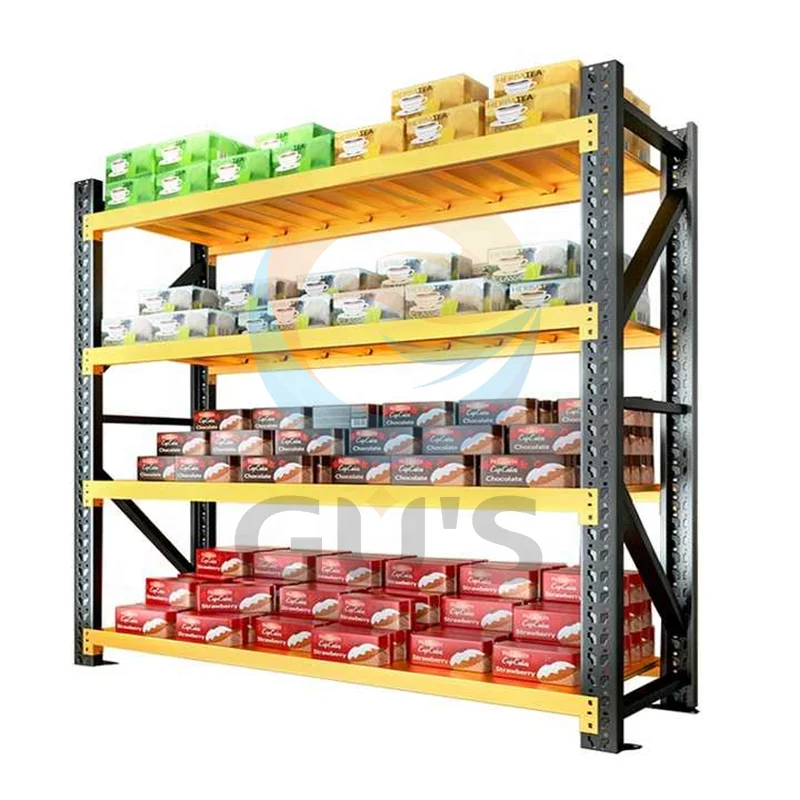
The superiority of heavy duty racks stems from their engineered design principles that address the fundamental challenges of industrial storage operations. These robust systems provide the structural capacity, operational flexibility, and economic efficiency that modern businesses require to optimize their storage infrastructure and maintain competitive advantage in demanding industrial environments.
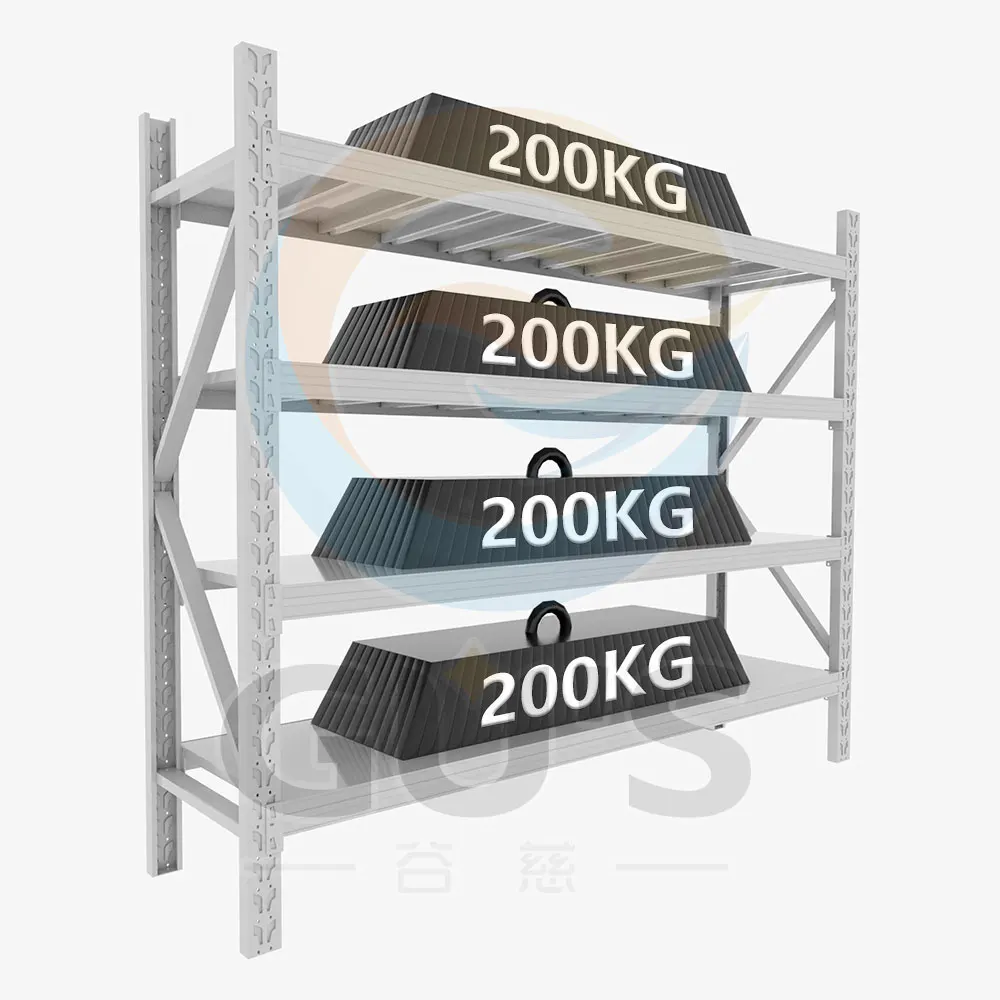
Heavy duty racks are specifically engineered to handle extreme weight loads that would compromise or destroy standard storage systems. These industrial-grade structures typically support between 500 to 5,000 kilograms per shelf level, with some specialized configurations accommodating even higher capacities. The superior load-bearing performance results from advanced steel construction methods, reinforced connection points, and optimized beam geometry that distributes weight evenly across the entire framework.
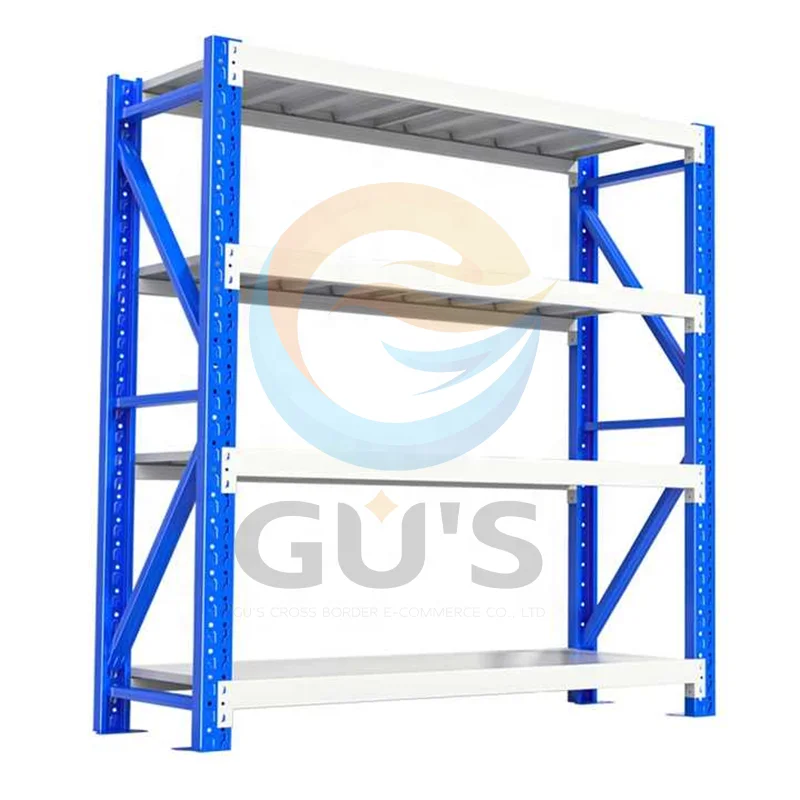
The structural integrity of heavy duty racks comes from their use of high-tensile strength steel components that undergo rigorous quality testing and certification processes. Unlike lighter storage alternatives, these systems maintain their dimensional stability and load capacity even under continuous heavy-duty operation. The robust construction includes reinforced uprights, cross-bracing elements, and heavy-gauge decking that work together to create an exceptionally stable storage platform.
Industrial facilities benefit from this superior weight capacity because it eliminates the need for multiple smaller storage units, reduces floor space requirements, and minimizes the risk of structural failure that could result in product damage, workplace injuries, or operational disruptions. The reliable performance of heavy duty racks provides peace of mind for facility managers who must ensure safe storage of valuable inventory and raw materials.
The material composition of heavy duty racks represents a significant advancement over conventional storage solutions, incorporating high-grade steel alloys that offer superior strength-to-weight ratios and enhanced durability characteristics. These materials undergo specialized heat treatment processes and protective coating applications that increase their resistance to environmental factors such as humidity, temperature fluctuations, and chemical exposure common in industrial settings.
Manufacturing processes for heavy duty racks include precision welding techniques, computer-controlled forming operations, and multi-stage quality inspections that ensure consistent performance across all components. The attention to material engineering details results in storage systems that maintain their structural properties and appearance throughout extended service life, even under demanding operational conditions.
Industrial operations particularly value the corrosion-resistant properties of properly engineered heavy duty racks, which eliminate the ongoing maintenance costs and replacement cycles associated with inferior storage solutions. The advanced material engineering also contributes to better fire resistance ratings and compliance with industrial safety standards that are critical for insurance coverage and regulatory approval.
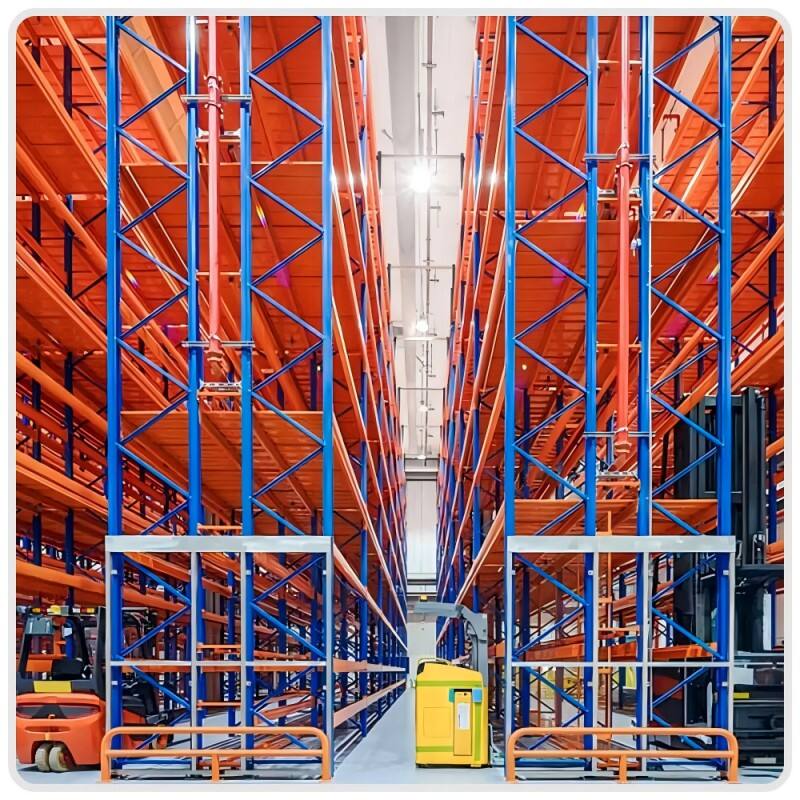
Heavy duty racks excel at maximizing vertical storage space in industrial facilities, allowing businesses to dramatically increase their storage capacity without expanding their physical footprint. These systems can be configured to reach heights of 12 meters or more, effectively utilizing the full cubic volume of warehouse and manufacturing spaces that would otherwise remain underutilized with conventional storage approaches.
The vertical scalability of heavy duty racks provides immediate economic benefits by reducing the cost per unit of storage capacity and eliminating the need for expensive facility expansion projects. Industrial operations can achieve storage density improvements of 300% or more compared to floor-stacking methods, while maintaining full accessibility to stored materials through strategic aisle planning and equipment integration.
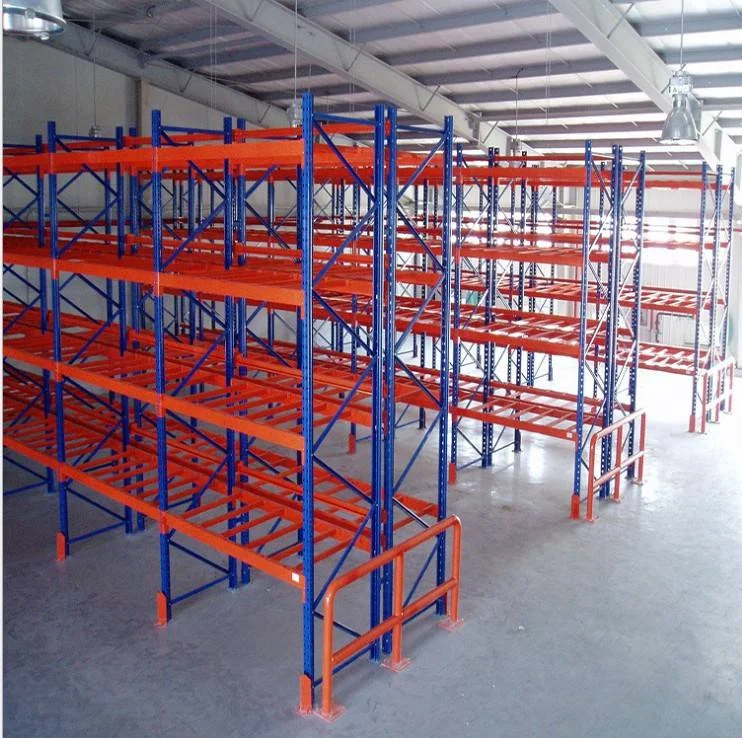
Modern heavy duty racks incorporate modular design principles that enable easy height adjustments and configuration changes as storage requirements evolve. This adaptability ensures that initial investments in storage infrastructure continue to provide value as business needs change, production volumes fluctuate, or product mix requirements shift over time.
The configurable nature of heavy duty racks allows industrial facilities to create customized storage solutions that perfectly match their specific operational requirements, product characteristics, and handling equipment specifications. These systems can be adapted to accommodate everything from small parts bins to large palletized loads, with adjustable shelf levels and variable bay widths that optimize storage efficiency.
Industrial operations benefit from the ability to reconfigure heavy duty racks as their needs change, without requiring complete system replacement or major facility modifications. The modular components can be relocated, expanded, or restructured to support new product lines, seasonal storage variations, or process improvements that occur throughout the facility's operational life.
The design flexibility of heavy duty racks extends to their compatibility with automated storage and retrieval systems, conveyor integration, and specialized handling equipment. This adaptability makes them ideal for facilities that plan to implement advanced warehouse management technologies or upgrade their material handling capabilities in the future.
Heavy duty racks significantly improve material handling efficiency by providing organized, accessible storage that reduces the time and labor required for inventory management operations. The structured layout eliminates the need for workers to search through disorganized pile storage or navigate around unstable stacking arrangements, leading to faster picking times and reduced handling errors.
The systematic organization possible with heavy duty racks enables implementation of advanced inventory management practices such as first-in-first-out rotation, category-based storage zones, and automated tracking systems. These operational improvements translate directly into reduced labor costs, improved inventory accuracy, and enhanced customer service levels through faster order fulfillment.
Industrial facilities using heavy duty racks report significant improvements in warehouse productivity metrics, including increased picks per hour, reduced travel time between storage locations, and decreased physical strain on workers. The ergonomic benefits of properly configured storage systems also contribute to reduced workplace injuries and lower workers' compensation costs.
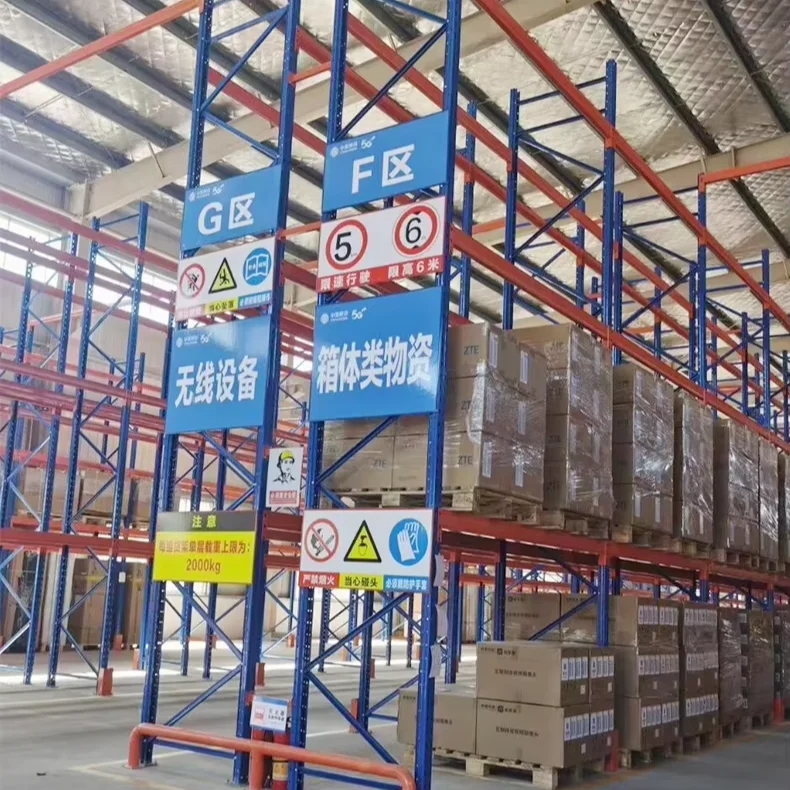
The organized structure provided by heavy duty racks creates ideal conditions for implementing sophisticated inventory control systems that improve accuracy, reduce shrinkage, and optimize stock levels. Each storage location can be clearly labeled and tracked, enabling precise monitoring of inventory movements and automatic reorder point calculations.
Heavy duty racks support integration with warehouse management software, barcode scanning systems, and RFID technology that automate many aspects of inventory tracking and reporting. This technological integration eliminates manual counting errors, provides real-time inventory visibility, and generates detailed analytics that support better purchasing and production planning decisions.
The improved inventory control capabilities of heavy duty racks help industrial operations reduce carrying costs, minimize stockouts, and optimize working capital utilization. These financial benefits often justify the initial investment in quality storage infrastructure within the first year of operation.
Heavy duty racks represent exceptional long-term value for industrial storage investments because of their extended service life and minimal maintenance requirements compared to alternative storage solutions. Quality heavy duty racks typically provide 15-20 years or more of reliable service with proper installation and normal maintenance, significantly outperforming wooden shelving, plastic storage systems, or improvised storage arrangements.
The durability of heavy duty racks comes from their robust construction methods, high-quality materials, and resistance to the wear factors that commonly affect industrial storage equipment. These systems maintain their structural integrity and appearance despite daily loading and unloading cycles, exposure to industrial environments, and the mechanical stresses associated with forklift and other equipment operation.
Industrial facilities benefit from the predictable performance and low maintenance costs of heavy duty racks, which eliminate the ongoing expenses and operational disruptions associated with frequent repairs or premature replacement of inferior storage systems. The reliability of these systems also contributes to better insurance rates and reduced liability exposure related to storage-related incidents.
Heavy duty racks provide an ideal foundation for scalable storage investment strategies that allow industrial operations to expand their capacity incrementally as business growth requires. The modular nature of these systems enables cost-effective additions and modifications without disrupting existing storage operations or requiring major facility renovations.
The scalability of heavy duty racks helps businesses manage cash flow more effectively by spreading storage infrastructure investments over time while maintaining the flexibility to respond quickly to unexpected growth opportunities or seasonal demand variations. This strategic approach reduces financial risk and improves return on investment compared to large-scale storage facility expansions.
Industrial companies can leverage the residual value of heavy duty racks through resale or relocation opportunities if their storage requirements change significantly. The standardized components and proven durability of quality systems maintain substantial value in secondary markets, providing additional financial flexibility for businesses that may need to restructure their operations.
Industrial heavy duty racks typically support between 500 to 5,000 kilograms per shelf level, depending on the specific model and configuration. The exact capacity depends on factors such as beam length, upright spacing, and the quality of construction materials. Professional engineers can calculate the optimal capacity for your specific application based on your storage requirements and safety factors.
While heavy duty racks require a higher initial investment than basic shelving systems, they provide superior long-term value through extended service life, higher capacity utilization, and reduced maintenance costs. The total cost of ownership typically favors heavy duty racks over 10-15 year periods, especially when considering the operational efficiency improvements and reduced facility space requirements they enable.
Yes, quality heavy duty racks are designed with modular components that allow for easy reconfiguration as storage needs change. Shelf heights can be adjusted, bay widths modified, and additional levels added without requiring complete system replacement. This flexibility makes them ideal for growing businesses or operations with changing inventory profiles.
Key safety considerations include proper load rating compliance, seismic design requirements, fire safety ratings, and compatibility with your material handling equipment. Professional installation is essential to ensure proper anchoring and structural stability. Regular inspections should be conducted to verify that weight limits are not exceeded and that all components remain in good condition.

Be the first to get our latest styles and offers.
No.11 plant of Jiawei Enterprise,Longyou Industrial Park,Longyou County,Quzhou City,Zhejiang Province Post code: 324407
Copyright © 2026 Guci Cross Border E-Commerce (Quzhou City) Co., Ltd. All rights reserved. - Privacy Policy
 EN
EN
 Hot News