
Selecting the right mezzanine floor supplier can significantly impact the success of your warehouse expansion project. With industrial storage demands constantly evolving, businesses need reliable partners who understand the complexities of structural engineering, building codes, and operational efficiency. A quality mezzanine floor supplier provides more than just steel platforms; they deliver comprehensive solutions that maximize vertical space while ensuring safety and compliance. The decision-making process requires careful evaluation of technical expertise, manufacturing capabilities, and long-term support services.
Modern warehouses face unprecedented pressure to optimize every square foot of available space. Traditional horizontal expansion often proves costly or impossible due to real estate constraints. Mezzanine floors offer an attractive alternative by creating additional levels within existing buildings. However, the complexity of these installations demands expertise that goes beyond basic fabrication skills. A professional mezzanine floor supplier brings specialized knowledge of load calculations, fire safety requirements, and integration with existing infrastructure systems.
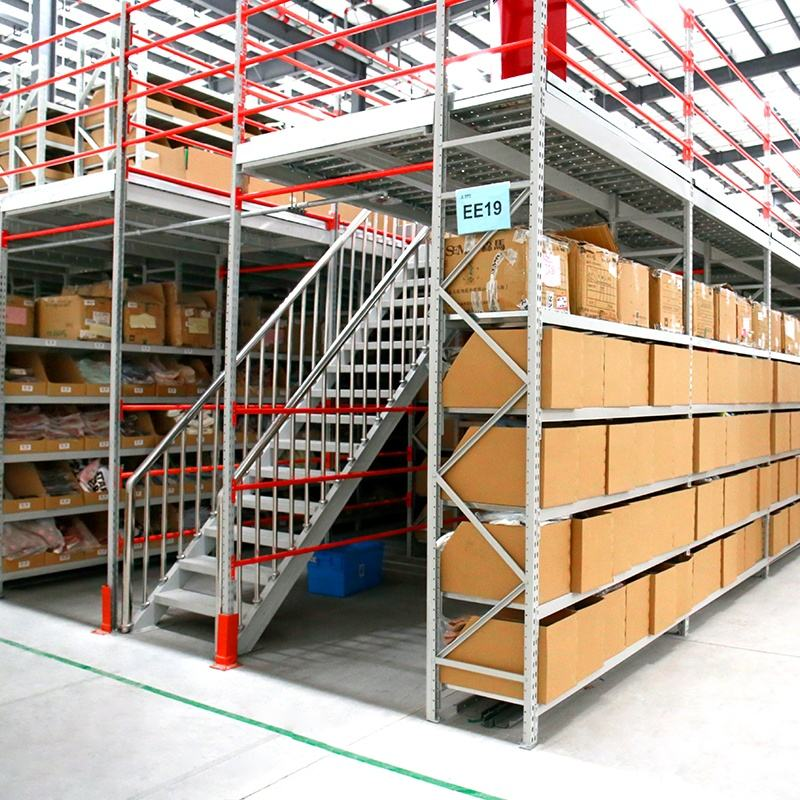
Mezzanine floors serve diverse industrial applications, from simple storage platforms to complex multi-level distribution centers. Manufacturing facilities utilize these structures to separate production areas from inventory storage, improving workflow efficiency while maintaining clean room standards. Cold storage warehouses benefit from mezzanine installations that create temperature-controlled zones without requiring separate buildings. The versatility of mezzanine systems allows customization for specific industry requirements, including specialized flooring materials, environmental controls, and safety features.
Distribution centers particularly benefit from mezzanine floor installations that accommodate picking operations, packaging areas, and administrative offices within the same building footprint. These multi-level configurations reduce material handling distances while improving inventory visibility and access. Advanced mezzanine designs incorporate conveyor systems, automated storage retrieval mechanisms, and integrated material handling equipment. The result is a cohesive operation that maximizes cubic capacity while maintaining operational efficiency.
Retail environments increasingly rely on mezzanine floors to create additional selling space, storage areas, or customer service facilities. Big box retailers use these platforms to display seasonal merchandise, create specialty departments, or establish service counters that overlook the main sales floor. Automotive dealerships install mezzanines for parts storage, service waiting areas, or administrative offices that maintain visual connection with showroom activities. These installations require careful attention to aesthetics, customer safety, and accessibility compliance.
Commercial office buildings utilize mezzanine floors to create additional workspace within high-ceiling areas, particularly in converted industrial buildings or warehouse spaces. These installations often require sophisticated environmental systems, including HVAC integration, electrical distribution, and telecommunications infrastructure. A qualified mezzanine floor supplier understands the unique requirements of commercial applications, including building code compliance, fire safety regulations, and Americans with Disabilities Act requirements.
Proper load calculations form the foundation of any successful mezzanine floor project. Dead loads include the weight of the structure itself, flooring materials, railings, and any permanently installed equipment. Live loads account for people, inventory, material handling equipment, and temporary storage. Dynamic loads consider the impact of moving equipment, such as forklifts or conveyor systems. An experienced mezzanine floor supplier employs structural engineers who understand these complex calculations and their implications for building safety and compliance.
Seismic considerations add another layer of complexity to mezzanine floor design, particularly in earthquake-prone regions. Building codes specify lateral force requirements that must be accommodated through proper bracing, connection details, and foundation systems. Wind loads also affect tall mezzanine installations, requiring careful analysis of building envelope interactions and structural stability. Professional engineering calculations ensure that these factors are properly addressed during the design phase, preventing costly modifications or safety concerns later.
Building codes establish minimum safety standards for mezzanine floor installations, covering everything from structural integrity to fire safety and accessibility. International Building Code requirements specify maximum areas, height restrictions, and egress requirements for mezzanine floors. Local amendments often add additional requirements based on regional conditions or specific safety concerns. A knowledgeable mezzanine floor supplier maintains current understanding of applicable codes and works closely with local building officials to ensure compliance throughout the permit and inspection process.
Fire safety codes present particular challenges for mezzanine floor installations, as these structures can affect building occupancy classifications, sprinkler system requirements, and emergency egress paths. Smoke detection systems, fire-rated assemblies, and emergency lighting may be required depending on the specific application and building configuration. Insurance companies also evaluate mezzanine installations based on fire safety compliance, making proper design and documentation essential for maintaining coverage and controlling premiums.
The quality of manufacturing and fabrication directly impacts the performance, safety, and longevity of mezzanine floor systems. Leading suppliers maintain certified welding programs that meet or exceed AWS D1.1 structural welding standards. Quality control processes include material certification, dimensional verification, and finish inspection before shipment. Advanced fabrication facilities utilize computer-controlled cutting equipment, automated welding systems, and precision assembly techniques that ensure consistent quality and tight tolerances.
Material selection plays a crucial role in mezzanine floor performance and durability. High-quality suppliers source structural steel from certified mills and provide material test reports that document chemical composition, mechanical properties, and compliance with ASTM standards. Surface preparation and protective coatings protect against corrosion while maintaining appearance over the system's operational life. Powder coating, galvanizing, or specialized paint systems may be specified based on environmental conditions and maintenance requirements.
Comprehensive design services distinguish professional mezzanine floor suppliers from basic fabricators. In-house engineering capabilities ensure that designs meet all applicable codes while optimizing for the specific operational requirements of each project. Computer-aided design tools enable accurate modeling of complex configurations, interference checking with existing building systems, and detailed construction documentation. Three-dimensional modeling helps clients visualize the finished installation and identify potential issues before fabrication begins.
Value engineering services help optimize mezzanine floor designs for cost-effectiveness without compromising safety or functionality. Experienced engineers can suggest alternative configurations, materials, or construction methods that reduce project costs while meeting performance objectives. This collaborative approach ensures that clients receive maximum value from their investment while achieving their operational goals. Professional mezzanine floor supplier services include ongoing support throughout the design development process, from initial concept through final installation.
Proper installation is critical to the safety and performance of mezzanine floor systems. Experienced installation teams understand the complexities of working within operational facilities while maintaining safety standards and minimizing disruption to ongoing business activities. Professional installers coordinate with other trades, manage material deliveries, and execute quality control procedures that ensure compliance with design specifications and building codes.
Site preparation requirements vary depending on the specific building conditions and mezzanine floor configuration. Existing floor conditions must be evaluated for levelness, load-bearing capacity, and compatibility with anchor systems. Overhead clearances, mechanical systems, and electrical services may require coordination or modification to accommodate the new structure. A qualified mezzanine floor supplier provides detailed site surveys and preparation specifications that address these requirements early in the project timeline.
Effective project management ensures that mezzanine floor installations proceed smoothly while meeting budget and schedule requirements. Professional suppliers provide detailed project schedules that coordinate design approval, permit acquisition, fabrication, and installation activities. Regular communication keeps all stakeholders informed of progress and any issues that may affect the timeline or budget. Risk management strategies identify potential challenges and establish contingency plans to minimize project disruption.
Multi-phase installations may be necessary to maintain ongoing operations while completing the mezzanine floor project. This approach requires careful planning to ensure that each phase can function independently while supporting the overall design objectives. Temporary barriers, alternate access routes, and safety protocols protect workers and facility occupants throughout the installation process. Experienced project managers coordinate these complex logistics while maintaining quality standards and code compliance.
Mezzanine floor costs vary significantly based on size, complexity, loading requirements, and finish specifications. Basic storage platforms typically cost less per square foot than complex multi-level installations with integrated material handling systems. Engineering requirements, permit fees, and site-specific modifications can add substantial costs to the base structure price. A reputable mezzanine floor supplier provides detailed cost breakdowns that help clients understand the value proposition and make informed decisions.
Comparing supplier quotations requires careful analysis of scope inclusions and exclusions. Some suppliers provide turnkey pricing that includes engineering, permits, fabrication, and installation, while others quote only the basic structure. Site preparation, utility modifications, and ongoing maintenance should be considered when evaluating total project costs. Quality differences in materials, fabrication methods, and engineering services can significantly impact long-term performance and maintenance requirements.
Mezzanine floors typically provide excellent return on investment compared to building expansion or relocation alternatives. The cost per square foot of mezzanine space is generally much lower than new construction, particularly in high-value real estate markets. Additionally, mezzanine installations can often be completed much faster than traditional construction projects, allowing businesses to realize operational benefits sooner. Tax advantages may also apply, as mezzanine floors are typically classified as equipment rather than real estate improvements.
Operational efficiency improvements often justify mezzanine floor investments beyond simple space considerations. Reduced material handling distances, improved inventory organization, and better workflow coordination can generate significant ongoing savings. Energy efficiency may also improve through better space utilization and reduced heating or cooling requirements. These operational benefits should be quantified when evaluating the total value proposition of different mezzanine floor supplier options.
Regular maintenance ensures the continued safety and performance of mezzanine floor systems throughout their operational life. Professional maintenance programs include periodic inspections of structural connections, safety railings, and flooring surfaces. Protective coatings may require touch-up or renewal to prevent corrosion and maintain appearance. A qualified mezzanine floor supplier provides maintenance guidelines and can offer ongoing service programs that protect the client's investment.
Documentation and record-keeping support compliance with safety regulations and insurance requirements. Inspection reports, maintenance logs, and repair records demonstrate ongoing attention to system integrity and safety. Some insurance companies require periodic structural inspections by qualified engineers, particularly for high-loading applications or specialized environments. Professional suppliers can coordinate these requirements and provide the necessary documentation for compliance purposes.
Comprehensive warranty coverage provides protection against manufacturing defects and premature failure of mezzanine floor components. Structural warranties typically cover the main framework for extended periods, while finish warranties may be shorter due to normal wear and operational conditions. A reliable mezzanine floor supplier stands behind their work with responsive warranty service and readily available replacement parts. This long-term commitment demonstrates confidence in product quality and provides peace of mind for the investment.
Technical support services help clients maximize the value and performance of their mezzanine floor systems. This may include operational training for facility personnel, modification services for changing requirements, and consultation on expansion or upgrade opportunities. Some suppliers offer spare parts programs that ensure continued availability of critical components even as systems age. These ongoing relationships provide value that extends well beyond the initial installation period.
Key factors include engineering capabilities, manufacturing quality, installation experience, and ongoing support services. Look for suppliers with certified structural engineers, quality fabrication facilities, and experience with your specific industry requirements. Verify their ability to handle permitting, code compliance, and project management. Check references from similar projects and evaluate their financial stability for long-term warranty support.
Project timelines vary based on complexity, permit requirements, and fabrication schedules. Simple installations may be completed within 4-6 weeks, while complex multi-level systems can require 12-16 weeks or longer. Design and permitting phases typically account for 2-4 weeks, fabrication requires 3-6 weeks, and installation takes 1-3 weeks depending on size and complexity. Working with an experienced supplier helps minimize delays and ensures realistic scheduling.
Mezzanine floors must comply with International Building Code requirements for structural integrity, fire safety, and accessibility. Maximum area limitations, height restrictions, and egress requirements vary based on building occupancy and configuration. Local amendments may impose additional requirements. Professional suppliers work with qualified engineers to ensure compliance and coordinate with building officials throughout the permit and inspection process.
Loading capacity depends on intended use, stored materials, and equipment requirements. Consider both uniform loads and concentrated loads from heavy equipment or high-density storage. Factor in dynamic loads from material handling equipment and potential future needs. A qualified structural engineer can analyze your specific requirements and design appropriate load capacities while ensuring code compliance and cost optimization. Accurate load analysis is critical for safety and long-term performance.

Be the first to get our latest styles and offers.
No.11 plant of Jiawei Enterprise,Longyou Industrial Park,Longyou County,Quzhou City,Zhejiang Province Post code: 324407
Copyright © 2026 Guci Cross Border E-Commerce (Quzhou City) Co., Ltd. All rights reserved. - Privacy Policy
 EN
EN
 Hot News