
Proper maintenance of warehouse equipment represents one of the most critical aspects of successful warehouse operations. When warehouse equipment functions optimally, it ensures workplace safety, maximizes operational efficiency, and extends the lifespan of valuable industrial assets. Neglecting maintenance protocols can lead to costly breakdowns, workplace accidents, and significant operational disruptions that impact the entire supply chain.
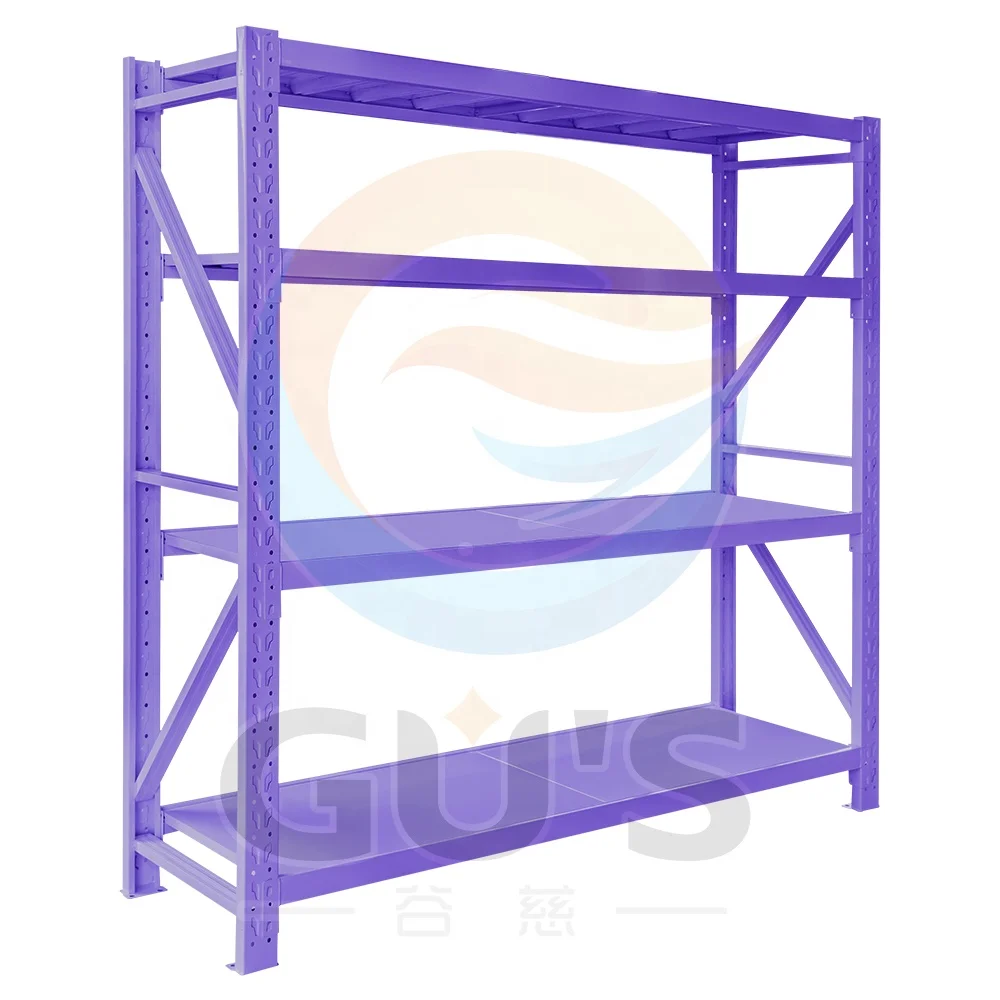
Modern warehouses rely heavily on various types of warehouse equipment to maintain productivity and meet customer demands. From storage systems and material handling devices to safety equipment and automated machinery, each component requires specific maintenance approaches. Understanding these requirements helps facility managers develop comprehensive maintenance strategies that protect both personnel and equipment investments.
Preventive maintenance forms the backbone of effective warehouse equipment care. This proactive approach involves scheduled inspections, routine servicing, and component replacements before failures occur. Regular preventive maintenance reduces unexpected breakdowns by up to seventy percent and significantly extends equipment lifespan. Warehouse managers should establish detailed maintenance schedules based on manufacturer recommendations and operational demands.
Creating standardized checklists for different types of warehouse equipment ensures consistency across maintenance activities. These checklists should include visual inspections, lubrication points, wear indicators, and safety feature verification. Documentation of all maintenance activities provides valuable historical data for identifying patterns and optimizing maintenance intervals.
Advanced predictive maintenance technologies revolutionize how warehouse equipment is monitored and maintained. Vibration analysis, thermal imaging, and oil analysis help identify potential issues before they cause equipment failure. These technologies enable condition-based maintenance strategies that optimize resource allocation and minimize unnecessary interventions.
Internet of Things sensors and monitoring systems provide real-time data about equipment performance and health. This continuous monitoring allows maintenance teams to respond quickly to developing problems and schedule repairs during planned downtime. Implementing predictive maintenance can reduce maintenance costs by twenty to twenty-five percent while improving equipment reliability.
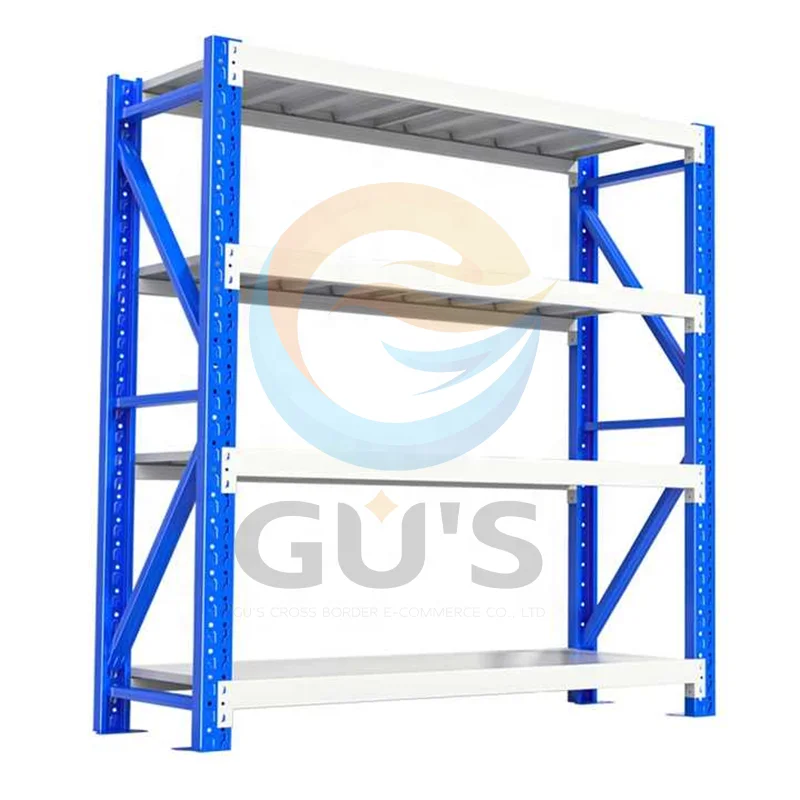
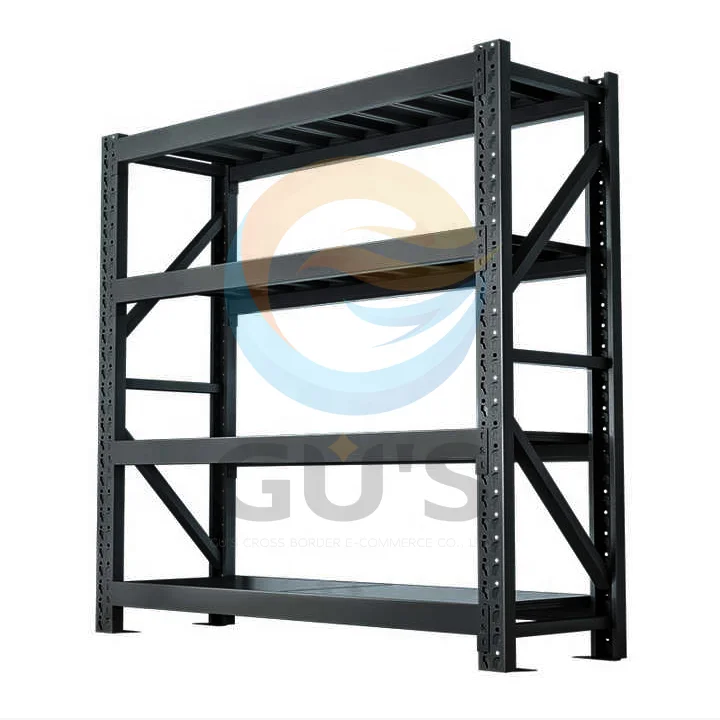
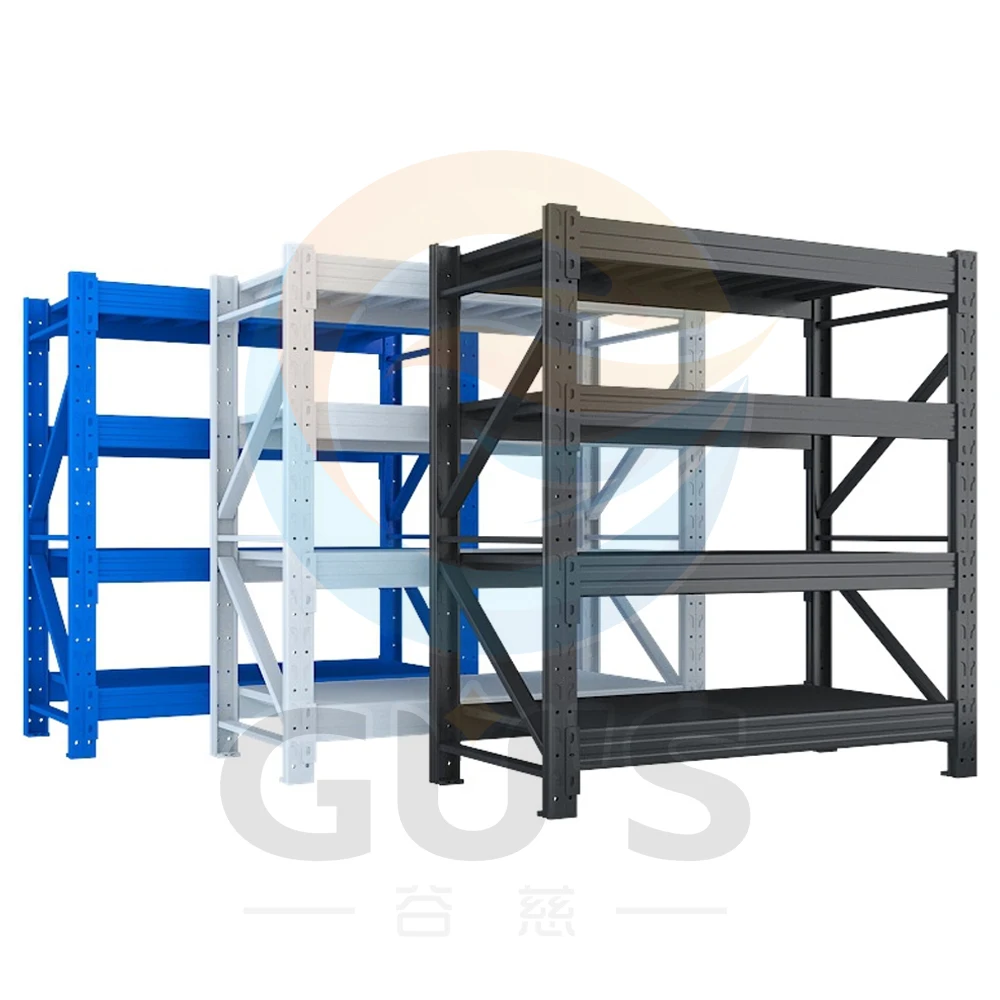
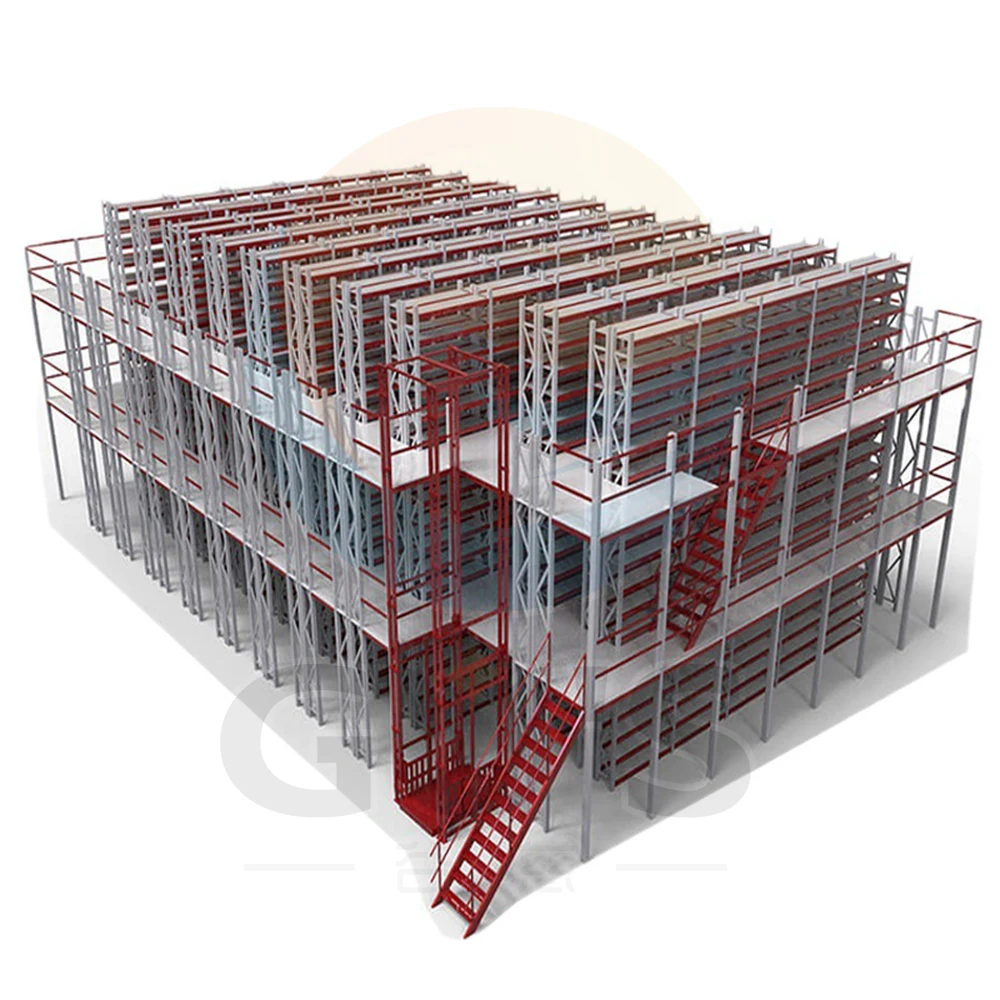
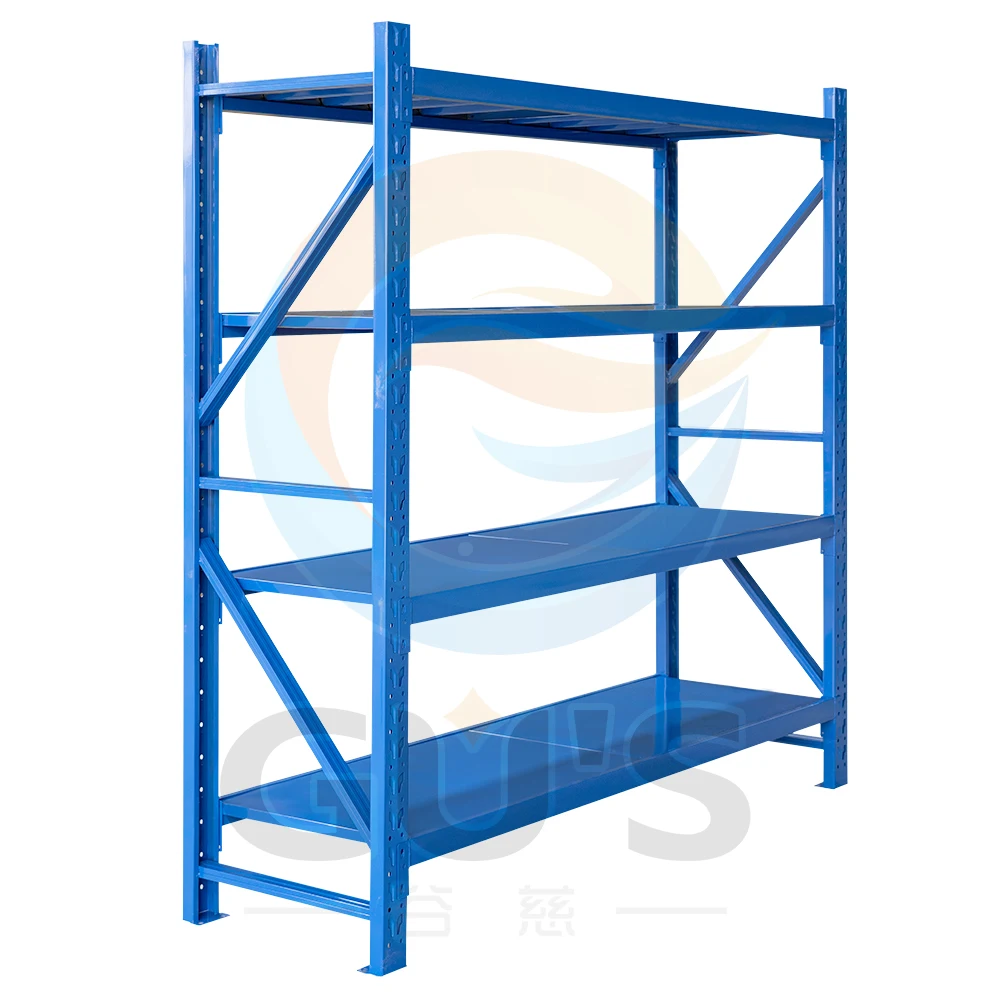
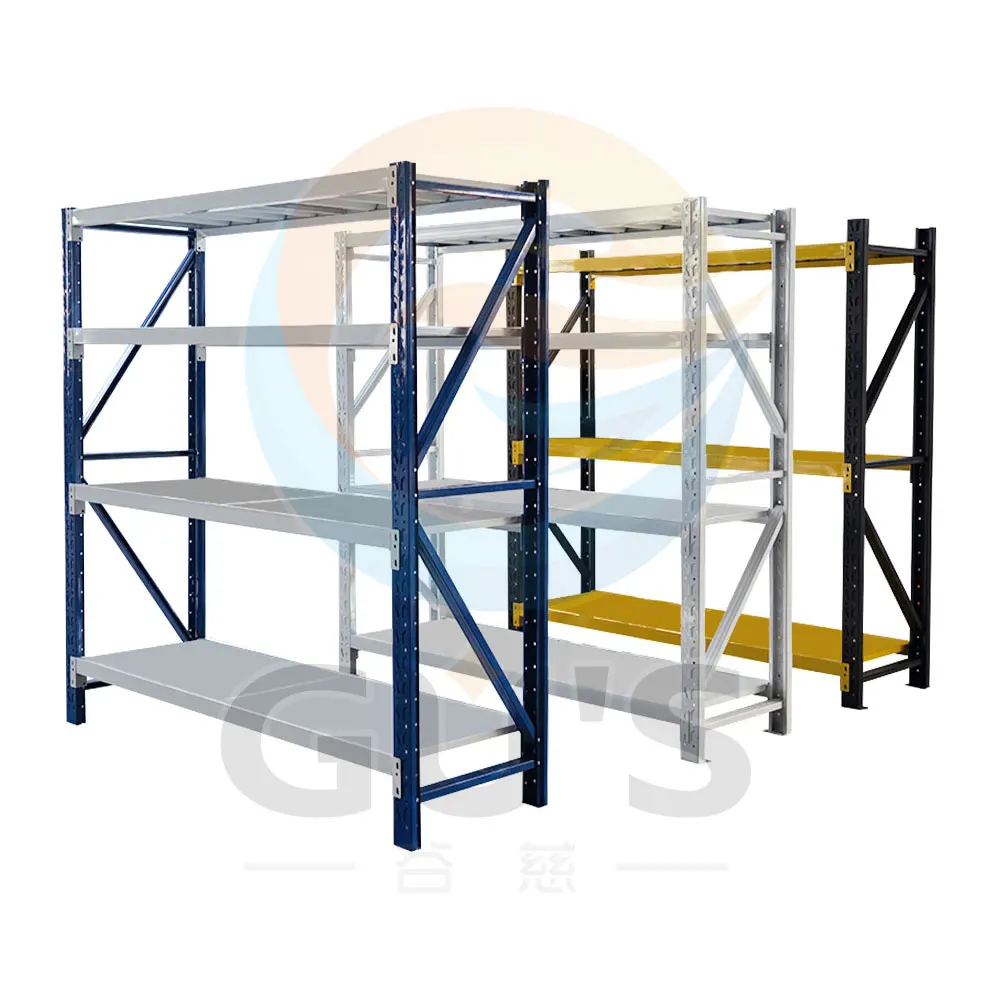
Storage racks and shelving systems require regular inspection to ensure structural integrity and load capacity compliance. Monthly visual inspections should focus on detecting bent components, loose connections, missing safety pins, and damaged uprights. Any structural damage to warehouse equipment must be addressed immediately to prevent catastrophic failures.
Professional rack inspections should be conducted annually by qualified engineers who can assess load capacities and structural soundness. These comprehensive evaluations identify potential safety hazards and ensure compliance with industry standards. Maintaining detailed inspection records helps track the condition of storage systems over time and supports insurance and regulatory requirements.
Proper load management prevents premature wear and structural damage to storage warehouse equipment. Weight limits must be clearly marked and strictly enforced to prevent overloading. Uneven weight distribution can cause rack distortion and compromise structural integrity, leading to dangerous conditions and expensive repairs.
Training warehouse personnel on proper loading techniques reduces equipment stress and extends service life. Workers should understand how to distribute weight evenly, use appropriate lifting techniques, and recognize signs of overloading. Regular training updates ensure that all team members follow best practices for equipment protection and workplace safety.
Forklifts represent significant investments in warehouse equipment that require comprehensive maintenance programs. Daily pre-operation inspections check fluid levels, tire condition, brake function, and hydraulic systems. These brief inspections help identify minor issues before they become major problems that could sideline equipment for extended periods.
Scheduled maintenance intervals vary based on operating hours and environmental conditions. Heavy-use environments may require more frequent service intervals to maintain optimal performance. Professional technicians should perform complex maintenance tasks such as engine overhauls, transmission service, and hydraulic system repairs to ensure proper procedures and safety standards.
Conveyor systems require specialized maintenance approaches to ensure smooth operation and prevent costly breakdowns. Belt tracking, roller alignment, and drive motor performance must be monitored regularly. Proper belt tension prevents premature wear and reduces energy consumption while maintaining consistent material flow.
Lubrication schedules for conveyor warehouse equipment must account for operating conditions and environmental factors. Dusty or humid environments may require more frequent lubrication to prevent component seizure. Regular cleaning removes debris that can cause tracking problems and accelerated wear of moving parts.
Fire suppression systems represent critical safety warehouse equipment that requires regular testing and maintenance. Monthly visual inspections verify that sprinkler heads are unobstructed, control valves remain in proper positions, and alarm systems function correctly. Professional quarterly inspections ensure that water pressure, flow rates, and detection systems meet safety standards.
Emergency lighting and exit signs must be tested monthly to ensure proper operation during power outages. Battery backup systems require periodic replacement to maintain reliability during emergencies. Documentation of all safety system tests provides evidence of compliance with fire codes and insurance requirements.
Personal protective equipment forms an essential part of warehouse safety systems and requires systematic maintenance and replacement programs. Hard hats, safety glasses, and protective footwear must be inspected regularly for damage or wear that could compromise protection. Establishing replacement schedules ensures that workers always have access to effective protective equipment.
Fall protection equipment such as harnesses and lanyards requires detailed inspection procedures and retirement criteria. These critical safety components must be removed from service immediately upon showing signs of wear or damage. Training workers to properly inspect and care for their protective equipment reduces liability and enhances overall workplace safety.
Heating, ventilation, and air conditioning systems maintain optimal environmental conditions for both personnel comfort and product protection. Regular filter changes improve air quality and system efficiency while reducing energy consumption. Scheduled maintenance includes cleaning coils, checking refrigerant levels, and calibrating control systems to ensure optimal performance.
Ductwork inspection identifies air leaks that reduce system efficiency and increase operating costs. Sealing leaks and insulating ducts improves temperature control and reduces energy waste. Professional technicians should perform complex maintenance tasks such as compressor service and electrical system checks to ensure safe and reliable operation.
Adequate lighting represents essential warehouse equipment that impacts both safety and productivity. LED lighting systems require minimal maintenance but benefit from regular cleaning to maintain light output. Fixture inspection identifies loose connections, damaged lenses, and failed components that could create safety hazards.
Emergency lighting systems require monthly testing to ensure proper operation during power failures. Battery backup systems must be replaced according to manufacturer specifications to maintain reliability. Upgrading to modern LED emergency lighting reduces maintenance requirements while improving energy efficiency and light quality.
Computerized maintenance management systems streamline warehouse equipment maintenance by automating scheduling, tracking work orders, and maintaining historical records. These systems help optimize maintenance intervals based on actual equipment usage and performance data. Integration with inventory systems ensures that replacement parts are available when needed for scheduled maintenance.
Mobile applications enable technicians to access maintenance procedures, record completion data, and request additional resources from anywhere in the facility. Real-time data entry improves accuracy and reduces administrative overhead. Analytics capabilities help identify trends and optimize maintenance strategies for improved equipment reliability and cost control.
Internet of Things sensors provide continuous monitoring capabilities for critical warehouse equipment components. Temperature, vibration, and power consumption data help identify developing problems before they cause equipment failures. Remote monitoring capabilities enable maintenance teams to respond quickly to alerts and schedule repairs during planned downtime.
Data analytics platforms process sensor information to identify patterns and predict maintenance needs. Machine learning algorithms improve prediction accuracy over time as they analyze more operational data. This intelligence enables more efficient maintenance scheduling and reduces both planned and unplanned downtime.
Comprehensive training programs ensure that warehouse personnel understand proper equipment operation and basic maintenance procedures. Regular training updates cover new equipment features, safety protocols, and regulatory requirements. Well-trained operators cause less equipment damage and identify potential problems earlier, reducing overall maintenance costs.
Certification programs for equipment operators demonstrate competency and reduce liability exposure. These programs should include both theoretical knowledge and hands-on practical assessments. Ongoing education keeps operators current with evolving best practices and new warehouse equipment technologies.
Detailed maintenance records provide essential information for warranty claims, regulatory compliance, and equipment replacement planning. Digital documentation systems enable easy access to maintenance histories and facilitate trend analysis. Proper documentation also supports insurance claims and demonstrates due diligence in equipment care.
Standard operating procedures ensure consistency in maintenance activities across different shifts and personnel. These procedures should include step-by-step instructions, safety precautions, and quality checkpoints. Regular review and updates keep procedures current with equipment modifications and regulatory changes.
The most frequent maintenance mistakes include ignoring manufacturer recommendations, using incorrect lubricants, skipping scheduled inspections, and allowing untrained personnel to perform maintenance tasks. Overloading equipment beyond design capacity and operating damaged warehouse equipment also cause premature failures and safety hazards.
Professional inspection frequency depends on equipment type and usage intensity. Storage racks require annual structural inspections, forklifts need quarterly professional service, and conveyor systems benefit from semi-annual detailed examinations. High-usage warehouse equipment may require more frequent professional attention to maintain reliability and safety standards.
Safety protocols include proper lockout-tagout procedures, use of appropriate personal protective equipment, and ensuring adequate ventilation during maintenance activities. Only qualified technicians should perform complex maintenance tasks, and all work should follow manufacturer safety guidelines and regulatory requirements for warehouse equipment maintenance.
Predictive maintenance reduces costs by identifying problems before they cause expensive failures, optimizing maintenance intervals based on actual conditions, and reducing unnecessary preventive maintenance. Early problem detection prevents secondary damage and allows repairs to be scheduled during planned downtime, minimizing operational disruption and maximizing warehouse equipment availability.

Be the first to get our latest styles and offers.
No.11 plant of Jiawei Enterprise,Longyou Industrial Park,Longyou County,Quzhou City,Zhejiang Province Post code: 324407
Copyright © 2026 Guci Cross Border E-Commerce (Quzhou City) Co., Ltd. All rights reserved. - Privacy Policy
 EN
EN
 Hot News