
In today’s supply chain environment, Warehouse Solutions are no longer standardized packages that can be copied from one project to another. Businesses dealing with diversified SKUs, fluctuating order volumes, automation requirements, and regional compliance demands must rely on Warehouse Solutions that are carefully customized to their operational realities. A well-designed Warehouse Solutions strategy starts from understanding business objectives rather than equipment selection.
Customized Warehouse Solutions focus on aligning storage systems, material handling processes, software integration, and workforce workflows into one coherent system. Instead of forcing operations to adapt to fixed layouts, Warehouse Solutions should evolve around product characteristics, throughput targets, and long-term scalability. When Warehouse Solutions are designed from this perspective, they become a growth enabler rather than a cost center.
Another important foundation of Warehouse Solutions customization lies in data-driven planning. Historical order data, SKU velocity, seasonal patterns, and expansion forecasts all inform how Warehouse Solutions should be structured. Without these inputs, even advanced Warehouse Solutions may fail to deliver efficiency. By building Warehouse Solutions on strategic foundations, companies can ensure flexibility, accuracy, and sustainability across the entire warehouse lifecycle.
Warehouse Solutions must adapt to businesses at different growth stages. A rapidly expanding company requires Warehouse Solutions that can scale without major structural disruption. Complex requirements often arise when growth outpaces original warehouse planning, leading to congestion, inefficiencies, and rising labor costs. Customized Warehouse Solutions anticipate expansion and reserve space, modular systems, and process flexibility to support future demand.
For multinational operations, Warehouse Solutions also need to consider regional differences in labor availability, safety regulations, and infrastructure standards. A scalable approach to Warehouse Solutions ensures consistency while allowing local optimization.
Product characteristics heavily influence Warehouse Solutions design. Warehouses managing fragile, oversized, temperature-sensitive, or high-value goods require Warehouse Solutions that prioritize protection, traceability, and compliance. In such cases, racking systems, picking methods, and storage environments must be customized to reduce damage and errors.
Warehouse Solutions for diverse product lines also demand intelligent slotting strategies. By grouping SKUs based on velocity and handling requirements, Warehouse Solutions can reduce travel time and improve picking accuracy. This level of customization directly impacts operational efficiency and customer satisfaction.
Customer expectations have transformed Warehouse Solutions into fulfillment-centric systems. Same-day dispatch, multi-channel distribution, and high order accuracy are now standard requirements. Warehouse Solutions must be designed to support these service levels without excessive labor dependency.
Customized Warehouse Solutions often incorporate flexible picking zones, batch picking strategies, and integrated software to synchronize inventory and orders in real time. These elements allow Warehouse Solutions to meet demanding service expectations even under peak workloads.
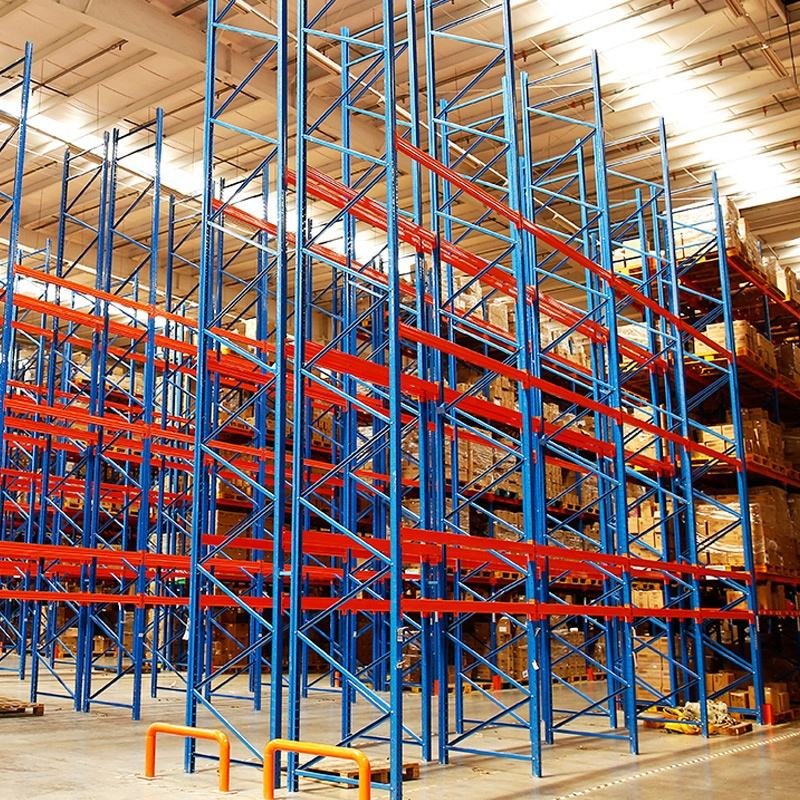
Effective Warehouse Solutions begin with intelligent space utilization. Custom layouts divide warehouse space into functional zones such as receiving, storage, picking, packing, and shipping. Each zone in Warehouse Solutions should be sized according to throughput requirements rather than arbitrary proportions.
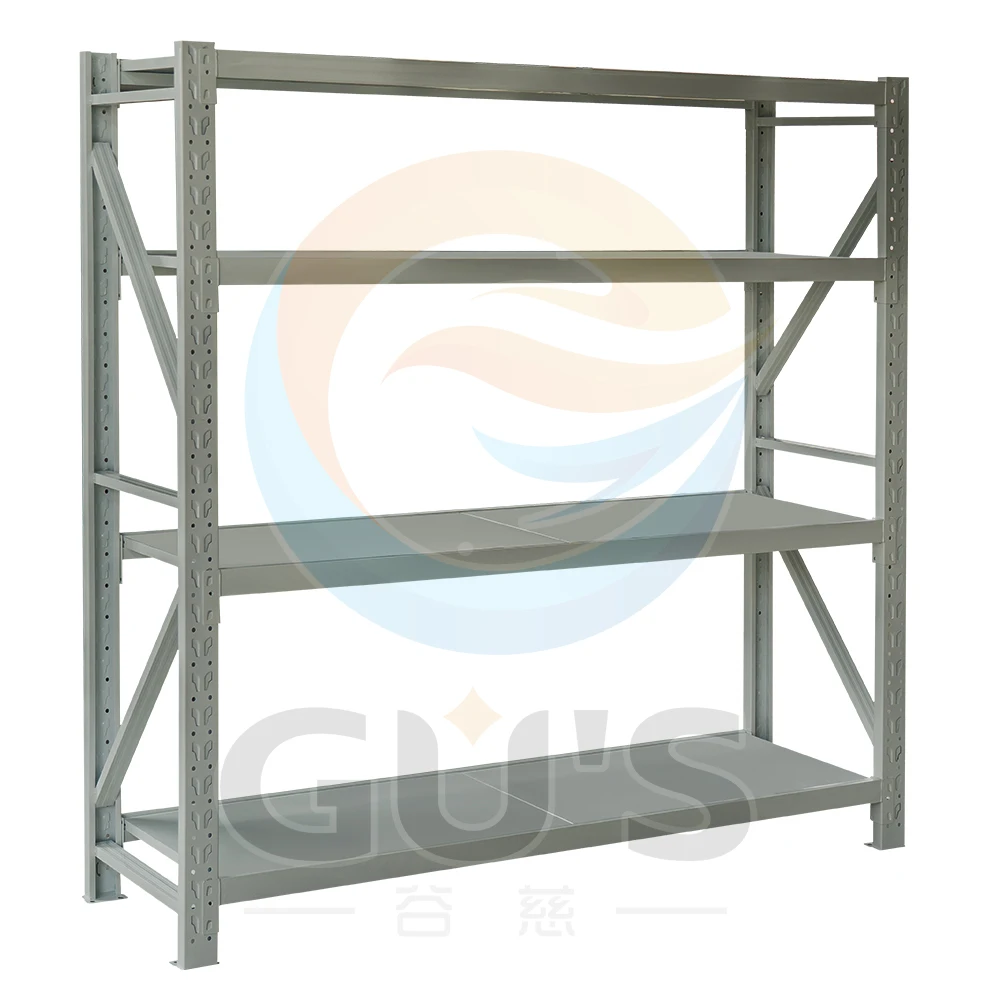
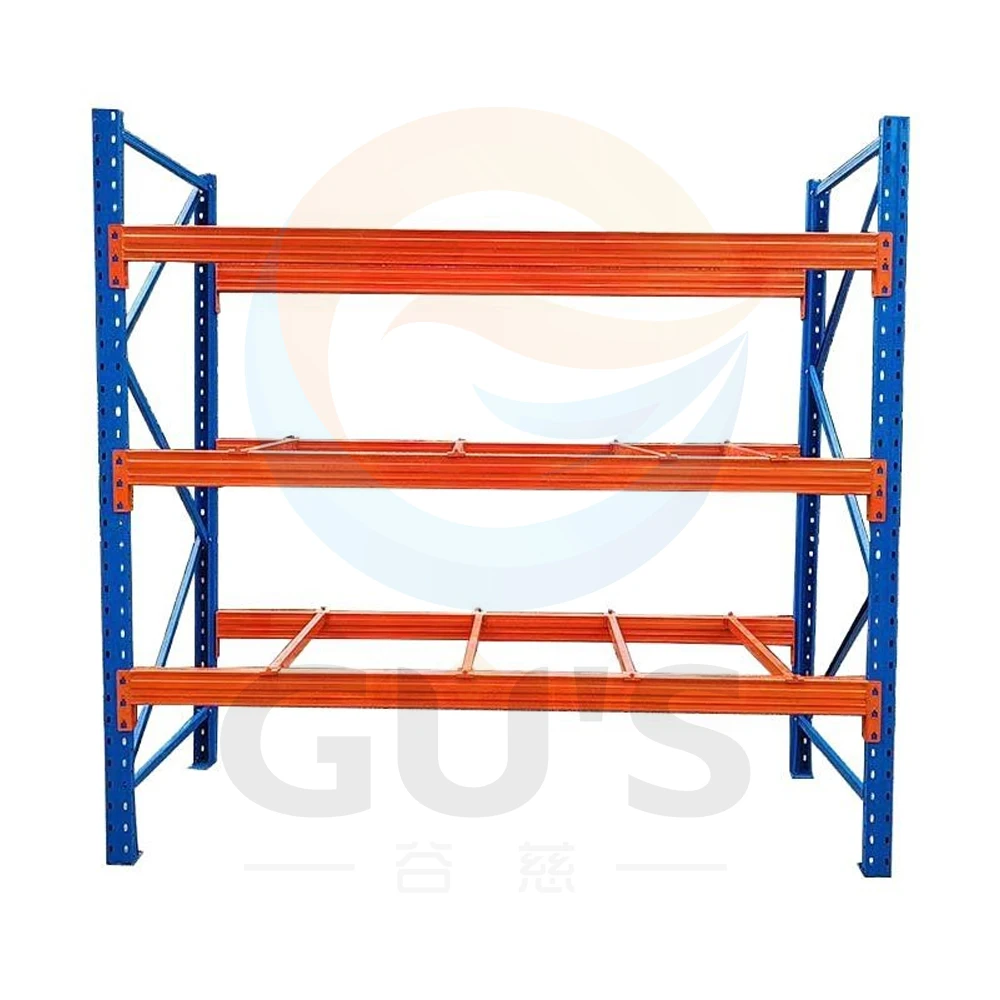
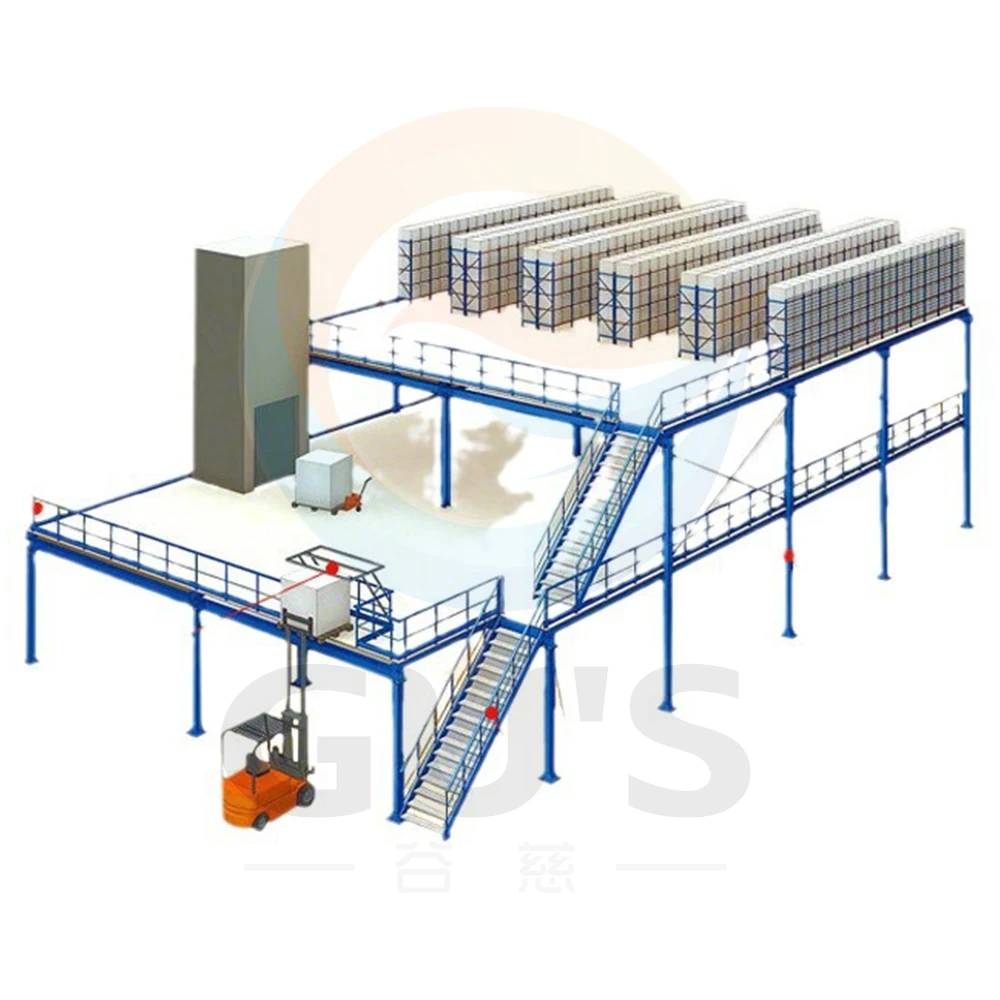
High-density storage systems, mezzanines, and vertical racking can significantly enhance capacity within limited footprints. Customized Warehouse Solutions leverage vertical space to delay costly facility expansions while maintaining operational flow.
Modularity is a defining feature of advanced Warehouse Solutions. Instead of fixed installations, modular racking, conveyors, and workstations allow Warehouse Solutions to adapt to changing business needs. This approach minimizes downtime during reconfiguration and protects long-term investment.
Customized Warehouse Solutions often adopt modular designs to support phased automation. Companies can start with manual operations and gradually integrate automated components without overhauling the entire system.
Safety considerations must be embedded into Warehouse Solutions from the design stage. Customized Warehouse Solutions account for aisle widths, emergency access, load capacities, and ergonomic workstations. Compliance with local regulations and international standards is not optional, especially for warehouses handling hazardous or regulated goods.
By integrating safety into Warehouse Solutions design, companies reduce operational risks and enhance workforce productivity.
Software plays a central role in modern Warehouse Solutions. A Warehouse Management System must align with physical processes to deliver visibility and control. Customized Warehouse Solutions ensure that software configurations reflect actual workflows rather than forcing operational changes to fit generic systems.
Inventory tracking, order prioritization, and performance analytics become more effective when Warehouse Solutions are digitally synchronized. This alignment allows managers to make informed decisions based on real-time data.
Automation is a powerful component of Warehouse Solutions, but it must be applied selectively. Customized Warehouse Solutions evaluate automation readiness based on order volume, labor costs, and process stability. Automated storage and retrieval systems, conveyors, and sorting solutions can dramatically improve efficiency when properly integrated.
Rather than adopting automation trends blindly, tailored Warehouse Solutions focus on return on investment and operational suitability. This ensures automation enhances flexibility instead of creating rigid dependencies.
Advanced Warehouse Solutions rely on seamless data connectivity between ERP systems, transportation platforms, and customer interfaces. Custom integration ensures that Warehouse Solutions support end-to-end supply chain visibility.
Scalable data architecture allows Warehouse Solutions to grow alongside business complexity. As order channels expand, connected systems ensure consistency and accuracy across operations.
Picking efficiency is a core determinant of Warehouse Solutions performance. Customized Warehouse Solutions analyze order profiles to select appropriate picking methods such as zone picking, wave picking, or hybrid approaches. Each method supports different operational priorities.
Packing processes also benefit from customization. Warehouse Solutions can integrate standardized packaging stations, automated dimensioning, and quality checks to reduce errors and shipping costs.
Human resources remain critical within Warehouse Solutions, even in automated environments. Customized Warehouse Solutions design workflows that minimize unnecessary movement and cognitive load. Clear task allocation and intuitive layouts help workers perform efficiently and safely.
Training programs aligned with Warehouse Solutions design ensure rapid onboarding and consistent performance. This alignment reduces dependency on individual experience and enhances operational resilience.
Effective Warehouse Solutions incorporate performance metrics from the outset. Key indicators such as order accuracy, picking speed, and inventory turnover guide continuous improvement. Customized Warehouse Solutions use these metrics to refine processes and layouts over time.
By embedding improvement mechanisms into Warehouse Solutions, businesses maintain competitiveness in dynamic markets.
Complex Warehouse Solutions benefit from phased implementation. Gradual deployment reduces operational disruption and allows teams to adapt to new systems. Each phase of Warehouse Solutions implementation can be tested and optimized before expansion.
This approach also enables better capital allocation, ensuring investments align with actual performance gains.
Choosing the right partner is essential for successful Warehouse Solutions customization. Experienced providers offer design expertise, engineering support, and long-term service capabilities. Customized Warehouse Solutions developed with professional guidance reduce implementation risks and enhance system reliability.
Highlighting in-house engineering, manufacturing capabilities, and responsive support differentiates promotional Warehouse Solutions from generic offerings.
Warehouse Solutions should be evaluated over their entire lifecycle, not just initial deployment. Maintenance, upgrades, and scalability define long-term value. Customized Warehouse Solutions designed with future readiness minimize costly retrofits.
By planning for evolution, Warehouse Solutions remain aligned with business growth and technological advancements.
Customized Warehouse Solutions should prioritize business objectives, data analysis, scalability, and safety integration to ensure long-term operational efficiency.
Automation within Warehouse Solutions should be selectively applied based on order volume, labor availability, and return on investment rather than trend adoption.
Layout design determines workflow efficiency, safety, and scalability, making it a foundational element of effective Warehouse Solutions.
Success can be measured through operational metrics, flexibility, cost efficiency, and the ability of Warehouse Solutions to adapt to future demands.

Be the first to get our latest styles and offers.
No.11 plant of Jiawei Enterprise,Longyou Industrial Park,Longyou County,Quzhou City,Zhejiang Province Post code: 324407
Copyright © 2026 Guci Cross Border E-Commerce (Quzhou City) Co., Ltd. All rights reserved. - Privacy Policy
 EN
EN
 Hot News