
Effective organization of supermarket shelves is crucial for maximizing product visibility, enhancing customer experience, and ultimately driving sales performance. The strategic arrangement of merchandise on supermarket shelves requires careful consideration of consumer behavior, product characteristics, and visual merchandising principles. Modern retail environments demand sophisticated approaches to shelf organization that balance aesthetic appeal with functional efficiency. Understanding the fundamentals of supermarket shelves organization enables retailers to create compelling shopping experiences that guide customers naturally through their purchasing journey while optimizing space utilization and inventory turnover rates.
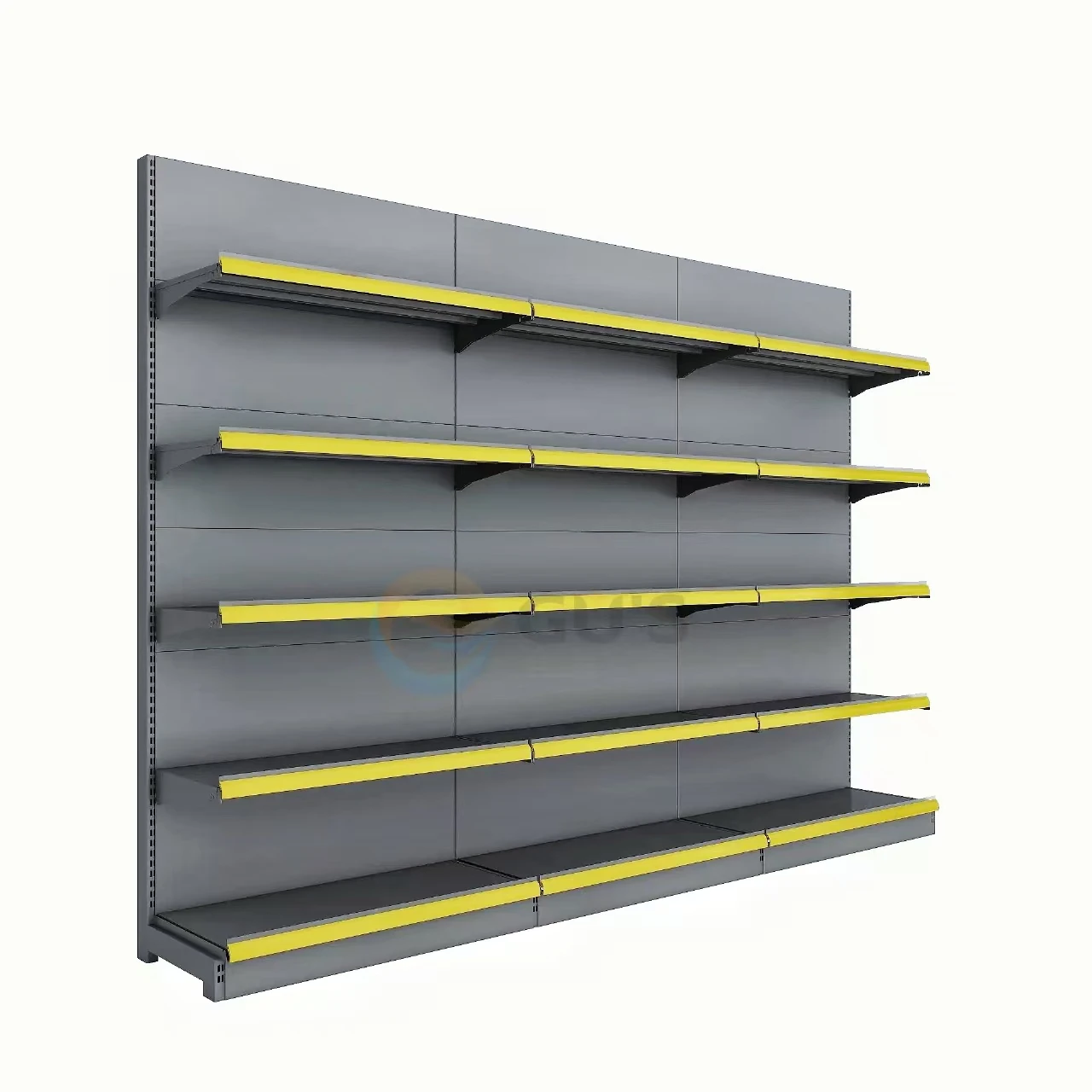
Understanding customer movement through your store forms the foundation of effective supermarket shelves organization. Heat mapping technology and observational studies reveal that shoppers typically move in predictable patterns, following natural eye-level scanning behaviors and gravitating toward well-lit, easily accessible areas. The majority of customers enter stores and instinctively move toward the right, creating opportunities for strategic product placement on supermarket shelves that capitalize on these behavioral tendencies. Retailers should position high-margin items and promotional products in these high-traffic zones to maximize exposure and conversion rates.
Traffic flow analysis also reveals the importance of creating clear pathways between supermarket shelves that accommodate varying shopping speeds and cart navigation requirements. Peak shopping periods often result in congestion around popular product categories, making it essential to design shelf layouts that prevent bottlenecks while maintaining product accessibility. Seasonal variations in customer behavior should influence the positioning of items on supermarket shelves, with holiday-related products receiving prime placement during relevant periods.
Establishing a logical product category hierarchy ensures customers can navigate supermarket shelves intuitively while discovering complementary items throughout their shopping experience. Essential daily necessities such as dairy, bread, and produce should occupy prominent positions that guide customers through the store, encouraging exploration of additional product categories along their path. The placement of these anchor categories on supermarket shelves creates natural traffic flows that retailers can leverage to showcase seasonal promotions and new product introductions.
Cross-merchandising strategies become particularly effective when supermarket shelves are organized to facilitate natural product associations and impulse purchasing opportunities. Positioning complementary items within close proximity on supermarket shelves increases the likelihood of multiple-item purchases while providing customers with convenient shopping solutions. This approach requires careful analysis of purchasing data to identify products frequently bought together and optimize their placement accordingly.
The principle of eye-level placement remains fundamental to maximizing product visibility on supermarket shelves, with the optimal positioning zone typically ranging from 48 to 60 inches from the floor. Products placed within this golden zone on supermarket shelves experience significantly higher sales performance compared to items positioned on lower or upper shelf levels. Premium brands and high-margin products should occupy these prime positions, while value alternatives can be strategically placed on lower shelves to provide price-conscious customers with accessible options.
Implementing consistent facing standards across all supermarket shelves ensures optimal product presentation and maintains visual consistency throughout the store environment. Forward-facing products create clean, professional appearances that enhance the overall shopping experience while making it easier for customers to identify and select desired items. Regular maintenance of product positioning on supermarket shelves prevents the deterioration of visual standards and ensures consistent brand representation.
Strategic color coordination across supermarket shelves creates visually appealing displays that draw customer attention and facilitate product recognition. Grouping products with complementary color schemes enhances the aesthetic appeal of supermarket shelves while making it easier for customers to locate specific brands or product types. This approach particularly benefits private label products that may lack the brand recognition of established manufacturers but can gain visibility through thoughtful placement and presentation.
Brand blocking techniques involve organizing products from the same manufacturer together on supermarket shelves to create strong brand presence and facilitate customer loyalty. This strategy works particularly well for categories where brand preference plays a significant role in purchasing decisions, such as personal care products or specialty food items. The implementation of brand blocking on supermarket shelves requires coordination with suppliers to ensure adequate inventory levels and prevent out-of-stock situations that could disrupt the visual presentation.
Proper implementation of FIFO principles on supermarket shelves ensures product freshness while minimizing waste and maintaining customer satisfaction. This systematic approach requires staff training to consistently rotate stock by moving older inventory to the front of supermarket shelves while placing newer shipments behind existing products. Electronic inventory management systems can support FIFO implementation by providing real-time data about product ages and expiration dates across all supermarket shelves.
Regular monitoring of product rotation on supermarket shelves prevents the accumulation of expired or near-expired items that could damage the store's reputation and result in financial losses. Automated alerts and systematic checking procedures help maintain inventory quality while ensuring that supermarket shelves consistently display fresh, appealing products. Staff scheduling should account for the time required to properly execute stock rotation procedures across all supermarket shelves during restocking periods.
Seasonal demand fluctuations require flexible approaches to organizing supermarket shelves that can accommodate changing product mix requirements and varying customer preferences. Holiday seasons, weather changes, and cultural events significantly impact purchasing patterns, necessitating proactive adjustments to supermarket shelves to capitalize on these opportunities. Planning seasonal transitions well in advance allows retailers to secure optimal shelf positions and coordinate promotional activities effectively.
The integration of seasonal products into existing supermarket shelves requires careful consideration of space allocation and potential cannibalization effects on regular merchandise. Temporary displays and flexible shelving systems enable retailers to accommodate seasonal variations without permanently disrupting established product arrangements on supermarket shelves. Post-season analysis of sales performance helps refine future seasonal strategies and optimize the allocation of space on supermarket shelves for maximum profitability.
Electronic shelf labels (ESLs) revolutionize price management and product information display on supermarket shelves by providing real-time updates and eliminating manual label changes. This technology enables dynamic pricing strategies that can respond to market conditions, competitor actions, and inventory levels while maintaining accurate information across all supermarket shelves. The implementation of ESLs reduces labor costs associated with price changes while improving accuracy and customer confidence in pricing information.
Integration of ESLs with inventory management systems creates opportunities for automated promotional campaigns and targeted marketing messages displayed directly on supermarket shelves. These digital enhancements can provide nutritional information, product origin details, and customer reviews that influence purchasing decisions at the point of sale. The flexibility of ESLs allows retailers to experiment with different messaging strategies and measure their effectiveness through sales data analysis.
Internet of Things (IoT) sensors embedded in supermarket shelves provide real-time monitoring of inventory levels, product movement, and environmental conditions that affect merchandise quality. Smart shelving systems can automatically trigger restocking alerts when product quantities fall below predetermined thresholds, ensuring that supermarket shelves remain adequately stocked throughout operating hours. Weight sensors and camera systems work together to provide comprehensive monitoring capabilities across all supermarket shelves.
Temperature and humidity monitoring integrated into refrigerated supermarket shelves ensures optimal storage conditions for perishable products while providing compliance documentation for food safety regulations. These smart systems can alert staff to equipment malfunctions or temperature variations that could compromise product quality, enabling proactive maintenance and preventing inventory losses. Data collected from IoT-enabled supermarket shelves provides valuable insights into customer behavior patterns and product performance metrics.
Comprehensive staff training programs ensure consistent implementation of shelf organization standards across all supermarket shelves while maintaining high levels of product presentation quality. Training modules should cover proper product handling techniques, visual merchandising principles, and safety protocols specific to working with various types of supermarket shelves. Regular refresher sessions help maintain standards and introduce new techniques or technologies that enhance shelf management efficiency.
Performance metrics and quality assessments provide objective measures of staff effectiveness in maintaining supermarket shelves according to established standards. Recognition programs that reward excellent shelf maintenance encourage staff engagement and pride in their work while promoting continuous improvement in presentation quality. Cross-training initiatives ensure that multiple team members can maintain each section of supermarket shelves, providing operational flexibility during peak periods or staff absences.
Systematic maintenance schedules for supermarket shelves prevent structural issues while ensuring optimal functionality and safety for both customers and staff. Regular cleaning protocols maintain sanitary conditions and professional appearance while identifying potential problems before they affect product presentation or store operations. Preventive maintenance programs extend the lifespan of supermarket shelves while minimizing unexpected downtime that could disrupt business operations.
Quality control checklists provide standardized procedures for evaluating the condition and organization of supermarket shelves during routine inspections. These assessments should cover product arrangement, signage accuracy, structural integrity, and cleanliness standards to ensure consistent quality across all store areas. Documentation of maintenance activities and quality assessments creates historical records that support continuous improvement initiatives and regulatory compliance requirements.
The optimal height for product placement on supermarket shelves ranges from 48 to 60 inches from the floor, commonly referred to as the eye-level zone. This positioning maximizes product visibility and accessibility for the average customer height. Premium products and high-margin items should occupy this prime real estate, while value options can be placed on lower shelves to provide choices for price-conscious shoppers. Adjustments may be necessary based on your specific customer demographics and average height considerations.
Supermarket shelves should be restocked continuously throughout operating hours, with major reorganization occurring during off-peak periods or after store closure. High-turnover items may require multiple restocking sessions per day, while slower-moving products might need attention every few days. Seasonal reorganization should occur quarterly or as needed to accommodate changing product mixes and promotional campaigns. The key is maintaining consistent product availability while ensuring visual appeal remains intact.
Proper lighting significantly enhances product visibility and attractiveness on supermarket shelves by creating an inviting shopping environment and highlighting product features. LED lighting systems provide energy-efficient solutions that reduce heat generation while offering superior color rendering for fresh produce and packaged goods. Strategic lighting placement can draw attention to promotional items and create visual hierarchy across different sections of supermarket shelves. Adequate illumination also contributes to customer safety and helps staff maintain quality standards during restocking activities.
Technology integration through electronic shelf labels, IoT sensors, and inventory management systems dramatically improves supermarket shelf management efficiency by automating routine tasks and providing real-time data insights. Smart shelving solutions can monitor inventory levels automatically and alert staff when restocking is needed, while electronic price tags eliminate manual label changes and reduce pricing errors. These technological advances enable more precise inventory control, dynamic pricing strategies, and enhanced customer information delivery directly at the point of purchase on supermarket shelves.

Be the first to get our latest styles and offers.
No.11 plant of Jiawei Enterprise,Longyou Industrial Park,Longyou County,Quzhou City,Zhejiang Province Post code: 324407
Copyright © 2026 Guci Cross Border E-Commerce (Quzhou City) Co., Ltd. All rights reserved. - Privacy Policy
 EN
EN

 Hot News