
Metal storage racks serve as the backbone of efficient warehouse operations and industrial facilities worldwide. These robust structures must withstand heavy loads, constant use, and challenging environmental conditions while maintaining their structural integrity over extended periods. Understanding the fundamental principles of rack durability enables facility managers and warehouse operators to maximize their storage investments and ensure long-term operational success. The longevity of metal storage racks directly impacts operational efficiency, safety protocols, and overall business profitability.
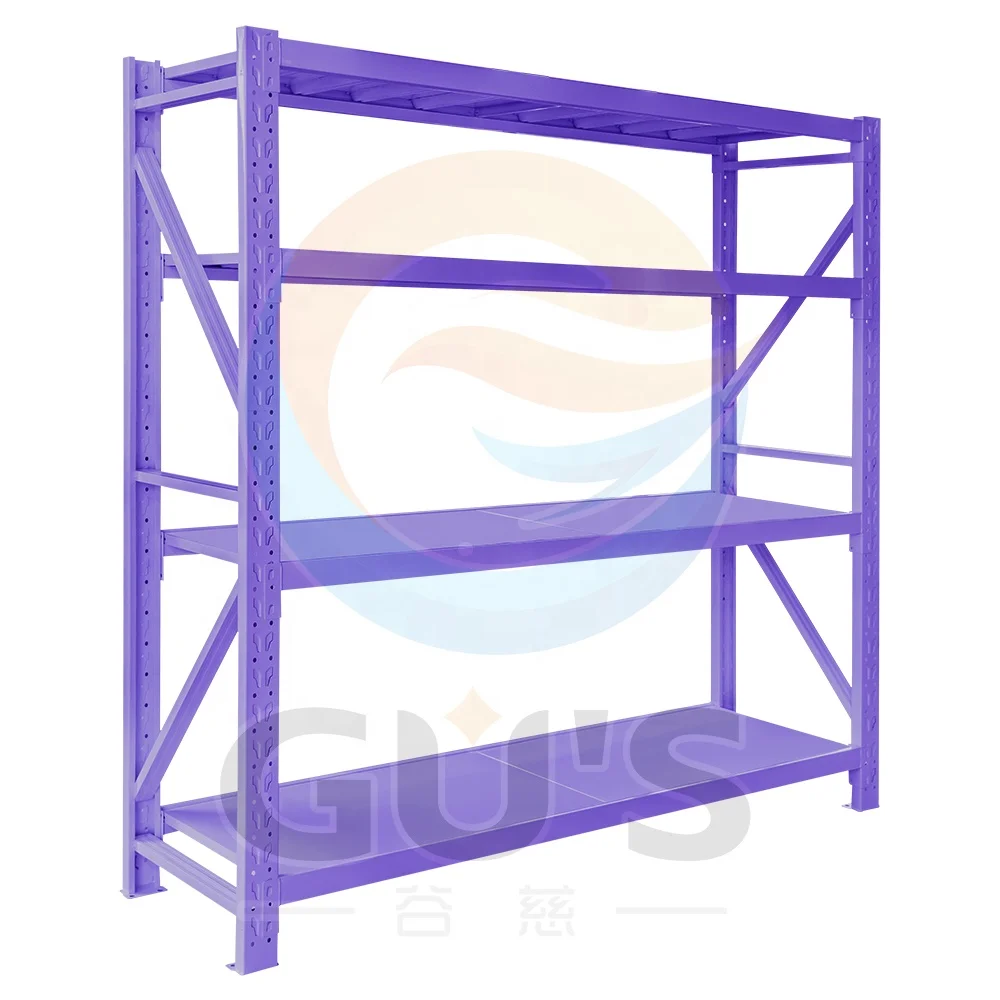
Modern industrial environments demand storage solutions that can adapt to changing requirements while maintaining consistent performance standards. Metal storage racks must accommodate various load types, from lightweight components to heavy machinery parts, while preserving their structural stability. The strategic implementation of durability measures ensures these systems continue functioning effectively throughout their intended service life. Proper maintenance protocols and quality construction standards form the foundation of reliable storage infrastructure that supports demanding industrial operations.
The choice of steel grade significantly influences the durability and performance characteristics of metal storage racks. High-quality cold-rolled steel provides superior strength-to-weight ratios compared to hot-rolled alternatives, ensuring better load-bearing capacity with reduced material usage. Advanced steel alloys incorporate specific carbon content levels that enhance tensile strength while maintaining formability during manufacturing processes. These metallurgical properties directly correlate with the rack system's ability to resist deformation under sustained loading conditions.
Premium steel grades undergo rigorous testing procedures to verify their mechanical properties meet industry standards for structural applications. The grain structure of properly processed steel creates uniform strength distribution throughout the rack components, eliminating weak points that could compromise system integrity. Quality manufacturers utilize steel with consistent chemical composition to ensure predictable performance characteristics across entire production runs. This material consistency enables accurate load calculations and reliable safety factor determinations for specific applications.
Advanced surface treatment technologies protect metal storage racks from environmental degradation while enhancing their aesthetic appearance. Powder coating systems create durable finishes that resist scratching, chipping, and chemical exposure better than traditional liquid paints. The electrostatic application process ensures uniform coating thickness across complex geometries, providing consistent protection for all rack surfaces. These protective layers serve as barriers against moisture infiltration and corrosive substances commonly found in industrial environments.
Galvanization processes offer superior corrosion resistance for metal storage racks operating in harsh conditions or outdoor installations. Hot-dip galvanizing creates metallurgically bonded zinc layers that provide sacrificial protection against rust formation. The zinc coating continues protecting underlying steel even when surface damage occurs, making galvanized racks particularly suitable for demanding applications. Multi-layer coating systems combine different protective technologies to achieve enhanced durability and extended service life expectations.
Accurate load calculations form the foundation of durable metal storage racks by ensuring structural components operate within their design parameters. Engineering analysis must consider both static loads from stored materials and dynamic forces generated during loading and unloading operations. The distribution pattern of stored items affects stress concentrations within the rack structure, requiring careful consideration during capacity planning phases. Professional load assessments account for safety factors that accommodate unexpected load variations and material handling impacts.
Dynamic loading scenarios create additional stress patterns that differ significantly from static weight distributions commonly used in basic calculations. Forklift impacts, seismic forces, and thermal expansion effects contribute to the overall stress environment experienced by metal storage racks. Advanced analysis techniques utilize finite element modeling to predict stress distributions under various loading conditions. These sophisticated calculations enable optimized rack designs that maximize capacity while maintaining appropriate safety margins for long-term durability.
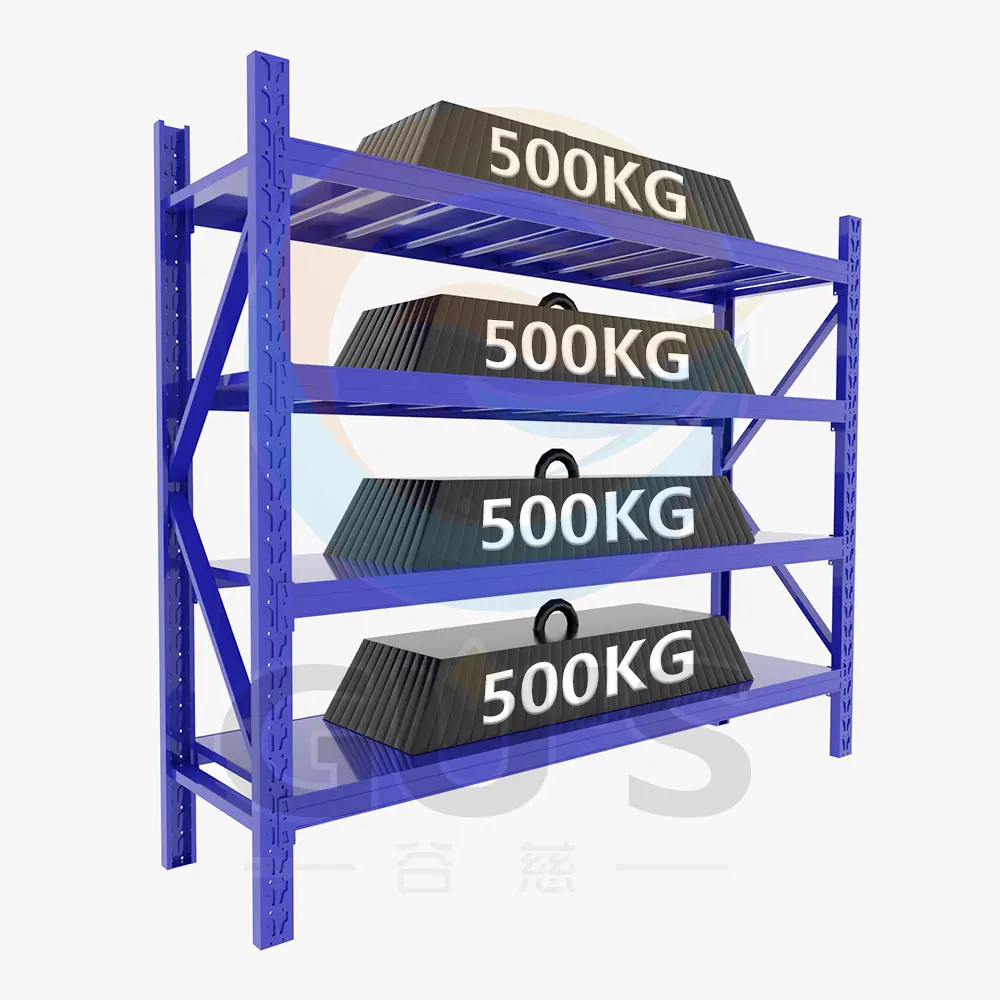
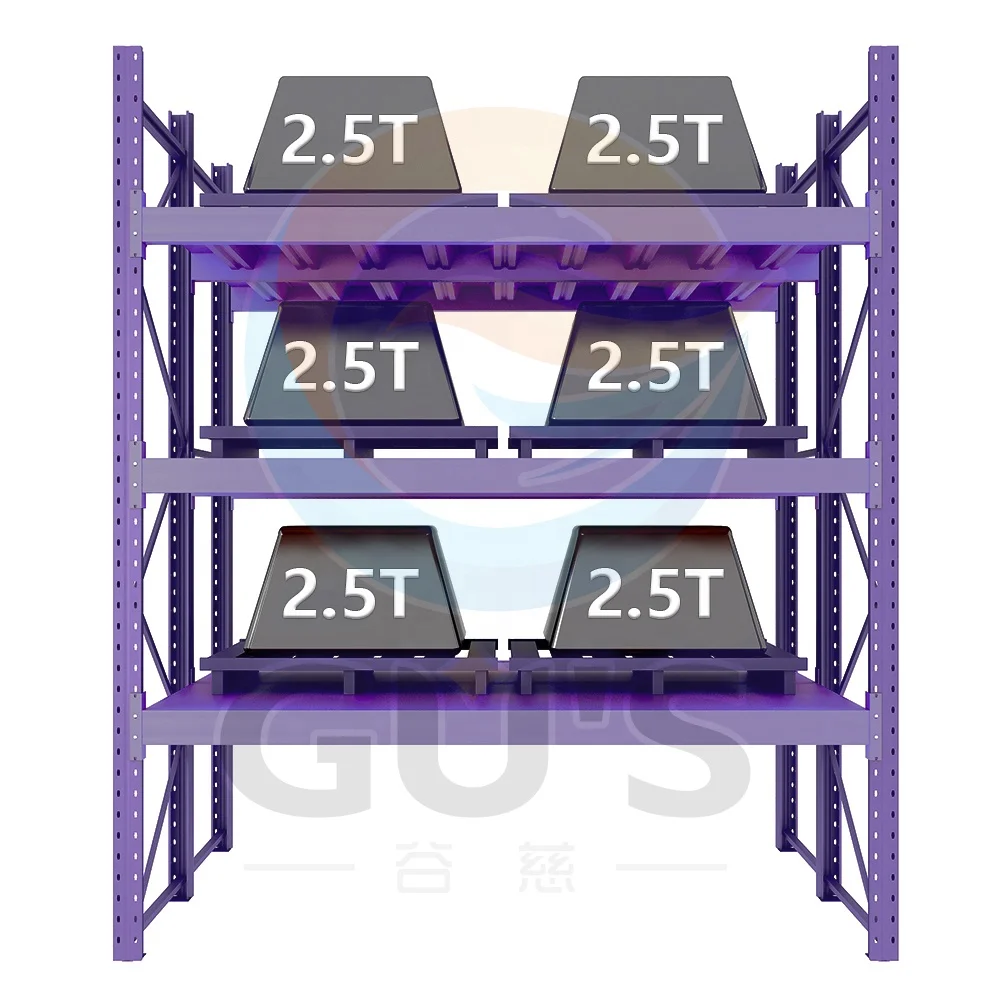
Strategic weight distribution prevents localized overloading that could compromise the structural integrity of metal storage racks over time. Uniform load placement across shelf surfaces reduces bending moments and deflection that contribute to fatigue failure in rack components. The positioning of heavy items at lower elevations improves overall system stability while reducing overturning moments during seismic events. Proper load distribution practices extend rack service life by minimizing stress concentrations at critical connection points.
Load balancing techniques consider the cumulative effects of multiple storage levels within tall rack configurations. Each shelf level must support its designated load while contributing to the overall structural behavior of the complete system. Asymmetric loading patterns create additional complications that require careful management to prevent premature failure of critical components. Regular monitoring of load distribution helps identify potential problems before they develop into serious structural issues affecting metal storage racks.
Proper foundation preparation provides the stable base required for durable metal storage racks throughout their operational lifetime. Concrete floors must meet specific flatness and strength requirements to ensure uniform load transfer from rack columns to the supporting structure. Foundation bolts and anchoring systems transfer lateral forces and overturning moments into the building structure, preventing rack movement during normal operations. The quality of anchor installation directly affects the long-term performance and safety of the complete storage system.
Seismic design considerations require specialized anchoring systems capable of resisting earthquake-induced forces without compromising rack stability. Base plate connections must accommodate both vertical loads and horizontal forces generated during dynamic loading events. Proper anchor bolt spacing and embedment depths ensure adequate holding power under extreme loading conditions. Regular inspection of anchoring systems helps identify potential loosening or deterioration that could affect the performance of metal storage racks.
Precise assembly procedures ensure proper component alignment and connection integrity essential for durable metal storage racks. Manufacturing tolerances and installation accuracy directly influence the stress distribution within assembled structures. Misaligned components create stress concentrations that accelerate fatigue failure and reduce overall system reliability. Professional installation teams utilize specialized tools and measurement equipment to achieve the precision required for optimal performance.
Connection hardware must be installed according to manufacturer specifications to achieve design load capacities and safety factors. Bolt torque values, washer configurations, and assembly sequences affect the clamping forces that secure rack components together. Proper hardware installation prevents loosening under vibration and thermal cycling conditions commonly encountered in industrial environments. Quality control procedures during installation help identify and correct potential problems before they compromise the durability of metal storage racks.
Regular inspection programs identify potential problems before they develop into serious safety hazards or structural failures in metal storage racks. Visual inspections focus on obvious signs of damage, corrosion, or component deterioration that could affect system performance. Detailed examination procedures evaluate connection integrity, component alignment, and load-bearing capacity under current operating conditions. Systematic documentation of inspection findings enables trending analysis and predictive maintenance planning for storage systems.
Professional structural assessments provide comprehensive evaluations of rack condition and remaining service life expectations. Qualified engineers utilize specialized inspection equipment to detect hidden defects or stress concentrations not visible during routine examinations. Load testing procedures verify actual capacity against design specifications, ensuring continued safe operation under intended loading conditions. These thorough evaluations help establish appropriate maintenance intervals and replacement schedules for critical components in metal storage racks.
Proactive maintenance programs extend the service life of metal storage racks by addressing minor issues before they develop into major problems. Lubrication of moving components prevents wear and corrosion that could compromise operational reliability. Protective coating touch-up work maintains barrier protection against environmental degradation and chemical exposure. Regular cleaning removes accumulated debris and contaminants that could accelerate corrosion or interfere with proper system operation.
Component replacement schedules based on manufacturer recommendations and inspection findings help maintain optimal performance levels throughout the rack system lifecycle. Worn or damaged hardware requires immediate attention to prevent progressive failure that could affect adjacent components. Upgrading older systems with improved components enhances durability and extends overall service life expectations. Comprehensive maintenance records enable accurate assessment of system condition and informed decision-making regarding repair versus replacement options for metal storage racks.
Environmental conditions significantly influence the corrosion rate and durability expectations for metal storage racks in various applications. Humidity levels, temperature fluctuations, and chemical exposure create specific challenges that require targeted protection strategies. Corrosion prevention begins with appropriate material selection and surface treatment during initial system design phases. Ongoing protection requires monitoring of environmental conditions and maintenance of protective barriers throughout the system lifecycle.
Galvanic corrosion occurs when dissimilar metals contact each other in the presence of moisture, creating electrochemical reactions that accelerate material degradation. Proper material compatibility and isolation techniques prevent these reactions from compromising the structural integrity of rack components. Protective coatings must maintain their barrier properties under exposure to specific chemicals and environmental conditions encountered in each application. Regular assessment of coating condition helps identify areas requiring attention before significant corrosion damage occurs in metal storage racks.
Temperature extremes affect the mechanical properties and dimensional stability of metal storage racks through thermal expansion and contraction cycles. Rapid temperature changes create stress concentrations at connection points and material interfaces that could accelerate fatigue failure. Proper system design accommodates thermal movement through appropriate joint details and expansion provisions. Environmental control systems help maintain stable conditions that minimize thermal stress effects on storage structures.
Humidity control prevents condensation formation that accelerates corrosion processes in metal components. Adequate ventilation maintains air circulation around rack structures, reducing moisture accumulation in critical areas. Dehumidification systems provide precise humidity control in sensitive applications where corrosion prevention is critical. Monitoring systems track environmental conditions and provide early warning of conditions that could threaten the durability of metal storage racks.
Compliance with established industry standards ensures metal storage racks meet minimum performance and safety requirements for their intended applications. Engineering standards specify design loads, safety factors, and testing procedures that verify structural adequacy under normal and extreme loading conditions. Manufacturing standards control material quality, fabrication processes, and quality assurance procedures that affect final product reliability. Adherence to these standards provides confidence in system performance and facilitates insurance and regulatory approval processes.
International standards organizations continuously update requirements based on research findings and field experience with storage system performance. Modern standards incorporate advanced analysis techniques and improved understanding of structural behavior under dynamic loading conditions. Certification programs verify compliance with applicable standards through independent testing and inspection procedures. These verification processes provide objective evidence of system capability and support warranty claims for metal storage racks.
Comprehensive testing programs validate the performance characteristics and durability expectations of metal storage racks under controlled laboratory conditions. Load testing procedures apply specified forces and measure structural response to verify compliance with design requirements. Fatigue testing simulates long-term loading cycles to predict service life under normal operating conditions. These validation procedures provide empirical data supporting capacity ratings and safety factor calculations for specific rack configurations.
Field testing programs evaluate actual performance under real-world operating conditions that may differ from laboratory environments. Installation verification procedures confirm proper assembly and compliance with design specifications at the job site. Performance monitoring during initial operation identifies any issues requiring attention before full system loading. Ongoing validation activities help maintain confidence in system reliability throughout the service life of metal storage racks.
Lifecycle cost analysis provides objective evaluation of different durability enhancement options for metal storage racks by considering initial costs, maintenance requirements, and replacement schedules. Higher quality materials and construction methods typically require greater initial investment but provide extended service life and reduced maintenance costs. Total cost of ownership calculations include operational impacts such as downtime for repairs and safety incident costs. These comprehensive analyses support informed decision-making regarding appropriate quality levels for specific applications.
Return on investment calculations demonstrate the financial benefits of durability improvements through reduced maintenance costs and extended replacement intervals. Quality improvements often provide additional benefits such as increased load capacity and improved operational flexibility. Risk reduction benefits include lower probability of system failure and associated business disruption costs. Strategic investment in durable metal storage racks provides long-term value through improved reliability and reduced total ownership costs.
Selective component upgrades enable improvement of existing metal storage racks without complete system replacement costs. Critical components such as connections, anchoring systems, and protective coatings can be upgraded to current standards while retaining serviceable structural elements. Technology improvements in materials and manufacturing processes provide opportunities to enhance system performance through targeted modifications. Phased upgrade programs spread costs over time while progressively improving overall system reliability and durability.
Modernization projects incorporate current design standards and improved components into existing rack systems to extend their useful service life. Structural reinforcement techniques address identified deficiencies while maintaining compatibility with existing infrastructure. Advanced protective coatings and corrosion prevention systems provide enhanced environmental protection for upgraded components. These improvement strategies maximize the value of existing investments while achieving enhanced performance standards for metal storage racks.
Material quality, proper installation, regular maintenance, and appropriate loading practices represent the most critical factors affecting metal storage racks durability. High-grade steel construction with appropriate surface treatments provides the foundation for long-term performance, while precise installation ensures proper load distribution and structural integrity. Regular inspection and maintenance programs identify potential problems early, preventing minor issues from developing into major structural concerns that could compromise system reliability.
Professional inspections should occur annually for most industrial applications, with more frequent assessments required for high-usage or critical storage systems. Specialized environments such as seismic zones or corrosive atmospheres may require semi-annual professional evaluations to ensure continued safe operation. Visual inspections by trained personnel should occur monthly to identify obvious damage or deterioration between formal assessments. Any significant changes in loading patterns or operational conditions warrant immediate professional evaluation regardless of scheduled inspection intervals.
Visible corrosion, bent or damaged components, loose connections, and excessive deflection under load indicate potential problems requiring immediate attention in metal storage racks. Surface coating damage, unusual noises during loading operations, and misaligned components suggest developing issues that could affect system performance. Progressive deterioration signs include increasing deflection measurements, connection loosening, and accelerating corrosion rates that exceed normal expectations for the operating environment.
Many existing systems can benefit from targeted upgrades including improved protective coatings, enhanced connections, and reinforcement of critical components. Professional structural assessment determines which upgrade options provide the greatest durability improvements for specific systems and operating conditions. Component replacement with higher-grade materials, improved anchoring systems, and enhanced corrosion protection can significantly extend service life. Cost-effective upgrade strategies focus on critical components that most significantly impact overall system reliability and safety performance.

Be the first to get our latest styles and offers.
No.11 plant of Jiawei Enterprise,Longyou Industrial Park,Longyou County,Quzhou City,Zhejiang Province Post code: 324407
Copyright © 2026 Guci Cross Border E-Commerce (Quzhou City) Co., Ltd. All rights reserved. - Privacy Policy
 EN
EN
 Hot News