
Storage solutions have become increasingly important in modern commercial and industrial environments. Organizations across various sectors are constantly seeking efficient ways to optimize their workspace while maintaining organized inventory systems. Light-duty shelves represent one of the most versatile and cost-effective storage solutions available today, offering businesses the flexibility to organize materials, products, and equipment without the substantial investment required for heavy-duty industrial racking systems. These storage systems provide an ideal balance between functionality and affordability, making them suitable for warehouses, offices, retail spaces, and manufacturing facilities that handle lighter materials on a regular basis.
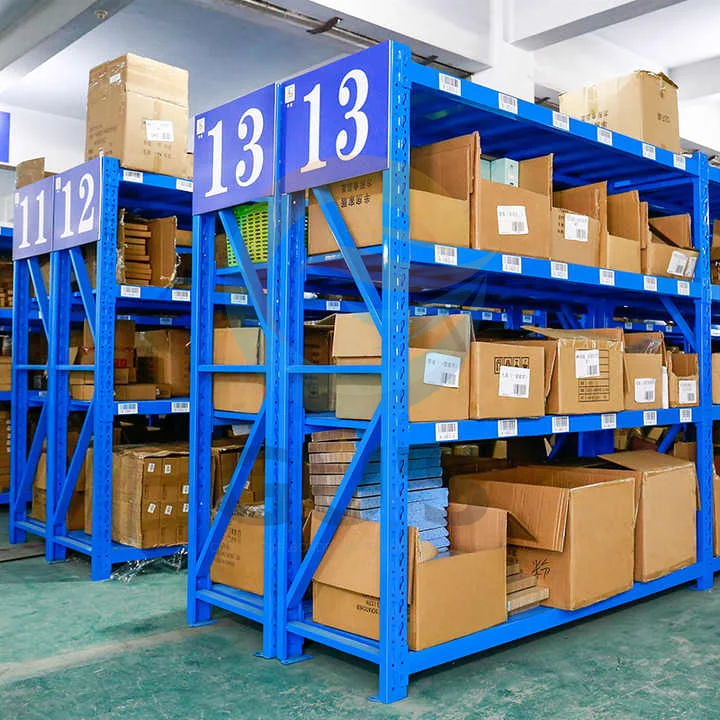
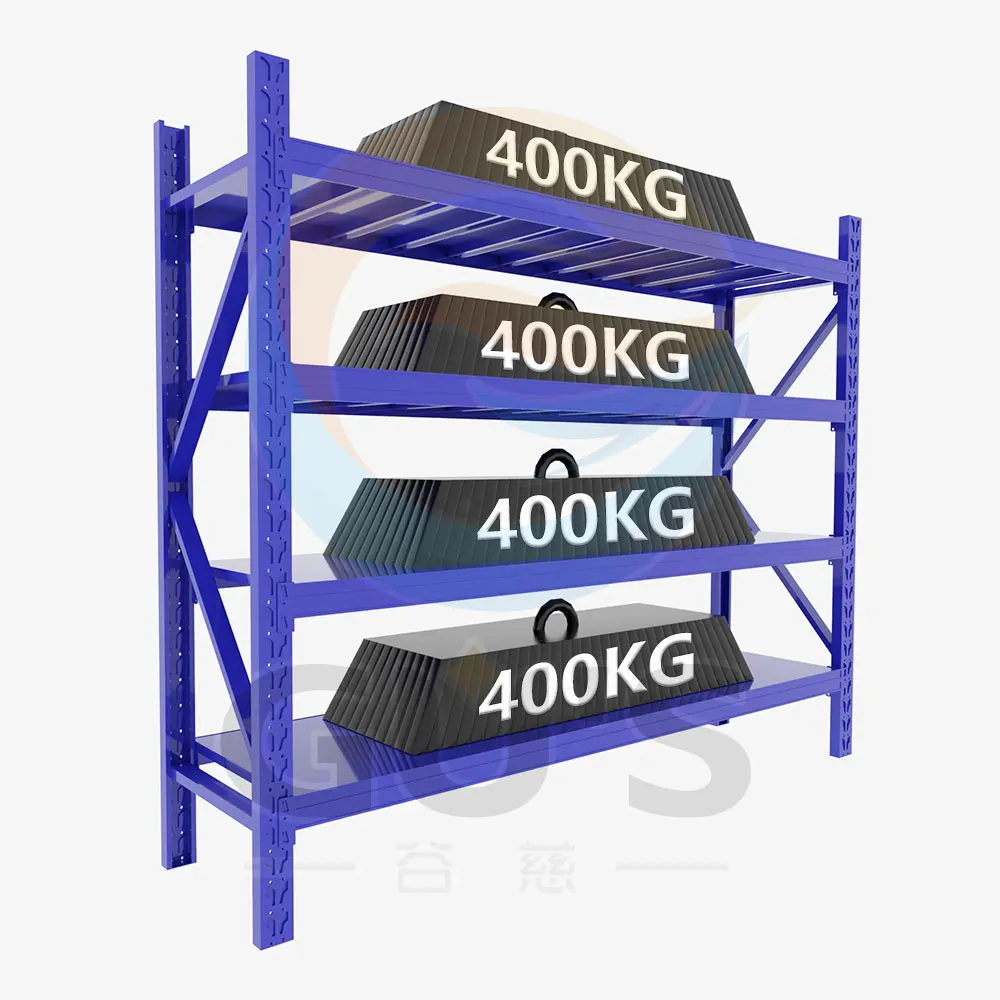
When selecting appropriate storage solutions, understanding weight limitations becomes crucial for long-term safety and functionality. Light-duty shelves typically support loads ranging from 100 to 300 kilograms per shelf level, making them perfect for storing documents, small parts, retail merchandise, and office supplies. This weight range distinguishes them from medium and heavy-duty alternatives that handle substantially heavier loads but come with increased costs and installation complexity.
The weight distribution across shelf surfaces must be carefully considered to prevent structural damage and ensure user safety. Manufacturers design these systems with specific load ratings that account for both uniform and point loading scenarios. Understanding these specifications helps businesses avoid overloading situations that could compromise the integrity of their storage infrastructure and potentially create hazardous working conditions.
Modern light-duty shelves utilize various materials including steel, aluminum, and composite materials, each offering distinct advantages depending on the intended application. Steel construction provides excellent strength-to-weight ratios while maintaining cost-effectiveness, making it the preferred choice for most commercial applications. The surface treatments applied to these materials, such as powder coating or galvanization, significantly impact their resistance to corrosion and environmental factors.
Environmental considerations play a vital role in material selection, particularly in facilities exposed to moisture, chemicals, or extreme temperatures. Quality light-duty shelves incorporate protective finishes that extend their service life and maintain structural integrity under challenging conditions. These protective measures ensure consistent performance and reduce long-term maintenance requirements, contributing to overall operational efficiency.
Flexibility in shelf positioning represents a key advantage of modern light-duty shelves, allowing users to customize their storage configuration based on changing inventory requirements. Most systems feature hole-and-pin adjustment mechanisms or clip-in systems that enable quick reconfiguration without tools or specialized expertise. This adaptability proves particularly valuable in dynamic environments where storage needs evolve frequently.
The adjustment increment spacing typically ranges from 25mm to 50mm, providing sufficient flexibility while maintaining structural stability. Light-duty shelves with smaller adjustment increments offer greater customization potential but may require more precise installation and alignment procedures. Consider the types of items being stored and their dimensional requirements when evaluating adjustment capabilities.
Scalability considerations become increasingly important as businesses grow and storage requirements expand. Quality light-duty shelves incorporate modular design principles that allow for horizontal and vertical expansion without requiring complete system replacement. These expansion capabilities provide long-term value by accommodating changing storage needs while protecting initial investments.
Compatibility between different shelf components and accessories ensures seamless integration when expanding existing systems. Standardized connection methods and component sizing facilitate future additions and modifications, making it easier to adapt storage solutions as operational requirements evolve. This modularity also simplifies maintenance and replacement procedures when individual components reach the end of their service life.
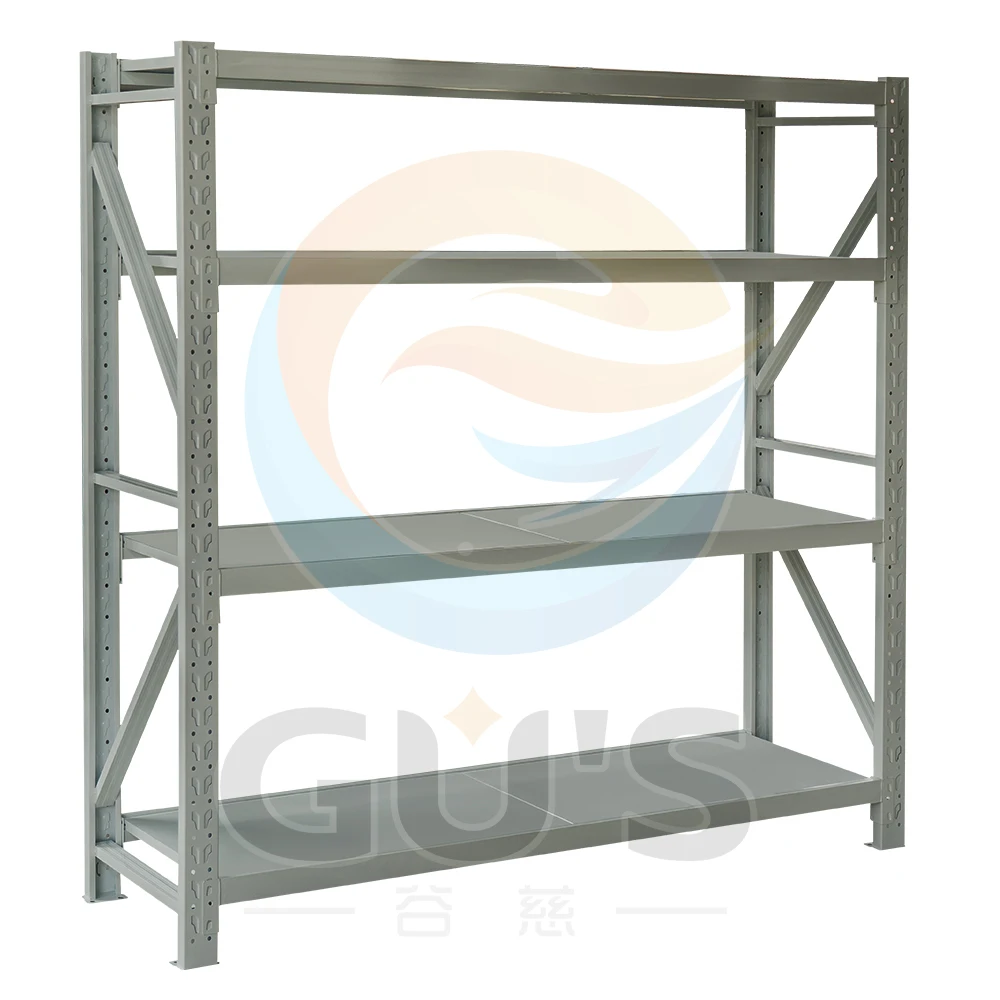
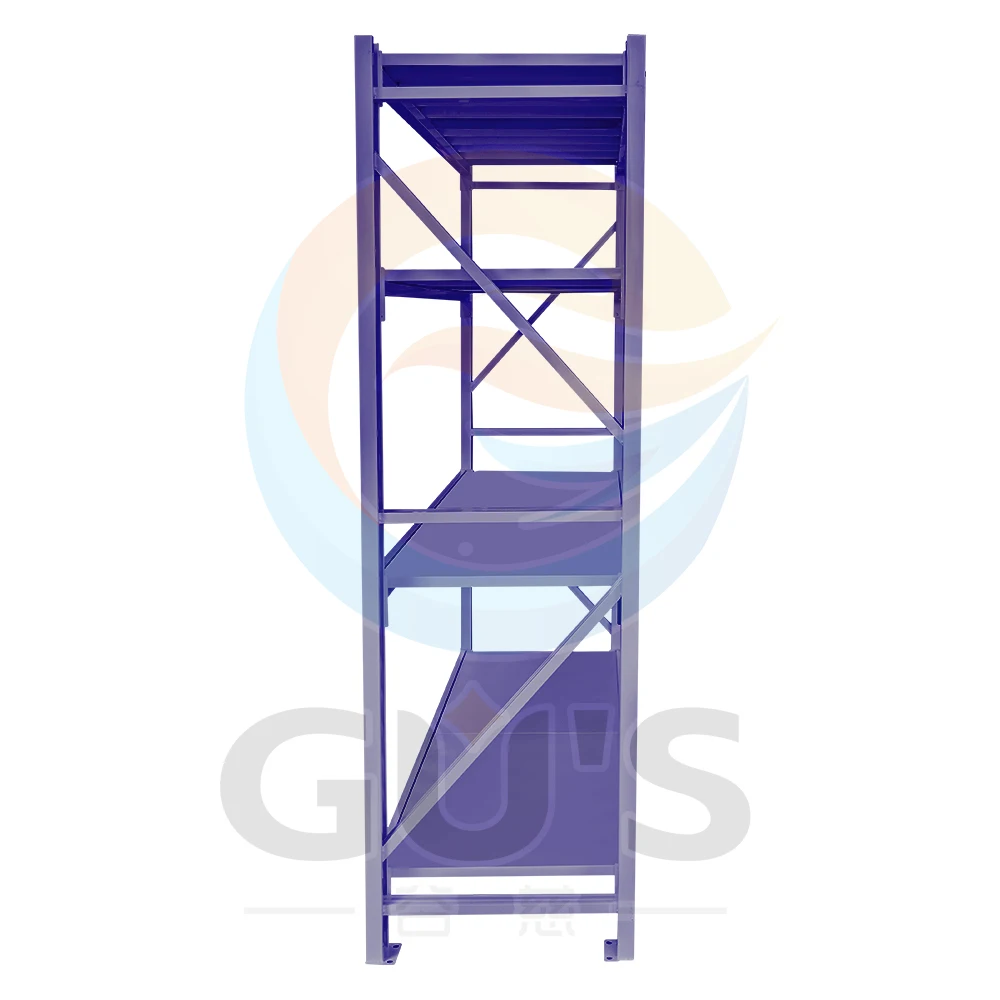
Most light-duty shelves are designed for straightforward assembly using common hand tools, eliminating the need for specialized equipment or professional installation services. The assembly process typically involves connecting vertical posts to horizontal beams using various fastening methods, including bolted connections, clip-in systems, or rivet assemblies. Clear instruction manuals and labeled components streamline the installation process and reduce the likelihood of assembly errors.
Time requirements for assembly vary depending on system size and complexity, but most standard configurations can be completed within a few hours by individuals with basic mechanical skills. Pre-drilling and component preparation significantly reduce assembly time while ensuring proper alignment and structural integrity. Consider scheduling assembly during periods of reduced operational activity to minimize disruption to normal business operations.
Proper installation techniques are essential for ensuring long-term safety and performance of light-duty shelves. Foundation preparation, including floor leveling and anchor point identification, must be completed before beginning assembly procedures. Inadequate foundation preparation can result in system instability and potential safety hazards during operation.
Following manufacturer specifications for torque values, connection methods, and structural requirements prevents premature failure and ensures compliance with safety standards. Regular inspection procedures should be established to monitor system condition and identify potential issues before they compromise operational safety. Documentation of installation procedures and maintenance schedules helps maintain system integrity throughout its service life.
The economic benefits of light-duty shelves extend beyond their initial purchase price to include installation savings, operational efficiency improvements, and long-term durability. Compared to custom storage solutions or heavy-duty alternatives, these systems offer excellent value for applications that fall within their design parameters. The cost-per-cubic-foot of storage capacity typically favors light-duty shelves when handling appropriate load ranges.
Total cost of ownership calculations should include maintenance requirements, expansion capabilities, and potential relocation costs when evaluating different storage options. Light-duty shelves generally require minimal maintenance and can be easily relocated or reconfigured as business needs change, adding to their long-term value proposition. These factors become particularly important for growing businesses or organizations with changing facility requirements.
Well-designed storage systems contribute to operational efficiency by reducing product retrieval times, improving inventory accuracy, and creating more organized work environments. Light-duty shelves facilitate better space utilization while maintaining accessibility to stored items, leading to productivity improvements and reduced labor costs. These efficiency gains can offset initial system costs over time through improved operational performance.
The visual organization provided by structured storage systems also contributes to workplace safety by reducing clutter and creating clearer pathways for personnel movement. Improved organization leads to better inventory control and reduced loss of materials, contributing to overall operational profitability. These indirect benefits should be considered when evaluating the total value proposition of different storage solutions.
Warehouse applications for light-duty shelves typically focus on storing smaller items, spare parts, and materials that don't require heavy-duty racking systems. These environments benefit from the flexibility and cost-effectiveness of light-duty shelves while maintaining efficient product flow and accessibility. Consideration of picking methods, inventory turnover rates, and product characteristics helps determine optimal shelf configurations.
Integration with existing warehouse management systems and material handling equipment influences shelf design and positioning decisions. Light-duty shelves can be configured to work with various picking methods, including batch picking, zone picking, and individual order fulfillment processes. Proper planning ensures that storage systems support rather than hinder operational workflows and productivity targets.
Office applications often emphasize aesthetics alongside functionality, requiring light-duty shelves that complement existing interior designs while providing practical storage solutions. Retail environments demand systems that enhance product presentation while maintaining easy access for both staff and customers. These applications may require specialized finishes, colors, or design elements that differ from purely industrial installations.
Space constraints in office and retail settings often necessitate compact designs that maximize storage density without overwhelming available floor space. Light-duty shelves offer excellent space utilization characteristics while maintaining the flexibility to accommodate changing display or storage requirements. The ability to quickly reconfigure these systems proves particularly valuable in dynamic retail environments with seasonal merchandise changes.
Establishing regular inspection schedules helps identify potential issues before they impact system performance or safety. Visual inspections should focus on connection integrity, surface condition, and proper load distribution across shelf surfaces. These inspections typically require minimal time investment but provide significant value in preventing costly repairs or safety incidents.
Documentation of inspection results and any maintenance actions performed helps track system condition over time and identify recurring issues that may require attention. This historical data proves valuable when making decisions about system upgrades, replacements, or modifications. Regular maintenance records also demonstrate compliance with safety regulations and industry best practices.
The modular nature of quality light-duty shelves facilitates easy replacement of individual components without requiring complete system replacement. This characteristic significantly reduces maintenance costs and minimizes operational disruption when repairs are necessary. Availability of replacement parts and compatibility with existing systems should be verified when selecting storage solutions.
Upgrade opportunities may arise as technology advances or operational requirements change, making component-level modifications more cost-effective than complete system replacement. Light-duty shelves with standardized connections and sizing enable gradual upgrades that spread costs over time while maintaining system functionality. This approach provides financial flexibility while ensuring that storage capabilities keep pace with evolving business needs.
Most light-duty shelves support between 100-300 kg per shelf level, which is suitable for storing documents, small parts, office supplies, and retail merchandise. The specific weight capacity you need depends on your intended use, but ensure you account for both the total weight and how it will be distributed across the shelf surface. Always check manufacturer specifications and avoid exceeding recommended load limits to maintain safety and structural integrity.
Light-duty shelves are typically designed for easy assembly using basic hand tools like screwdrivers, wrenches, and rubber mallets. Most systems can be assembled by one or two people within a few hours, depending on size and complexity. Clear instruction manuals and labeled components make the process straightforward, though proper foundation preparation and following torque specifications are important for safety and performance.
Yes, most quality light-duty shelves feature modular designs that allow for both horizontal and vertical expansion. This scalability enables you to add sections or levels as your storage needs grow without replacing the entire system. When purchasing, verify that expansion components will remain available and compatible with your initial installation to ensure seamless future additions.
Light-duty shelves require minimal maintenance, primarily consisting of regular visual inspections to check connection integrity and proper load distribution. Cleaning with appropriate methods based on the shelf material and finish helps maintain appearance and prevents corrosion. Periodic tightening of connections and prompt replacement of any damaged components ensures continued safe operation and extends system life.

Be the first to get our latest styles and offers.
No.11 plant of Jiawei Enterprise,Longyou Industrial Park,Longyou County,Quzhou City,Zhejiang Province Post code: 324407
Copyright © 2026 Guci Cross Border E-Commerce (Quzhou City) Co., Ltd. All rights reserved. - Privacy Policy
 EN
EN
 Hot News