
Modern warehouses face unprecedented challenges in maximizing storage capacity while maintaining operational efficiency. As e-commerce continues to grow and supply chains become more complex, businesses must implement strategic warehouse solutions for space optimization to remain competitive. The key lies in understanding how vertical space utilization, intelligent storage systems, and advanced racking technologies can transform underperforming facilities into highly productive distribution centers.
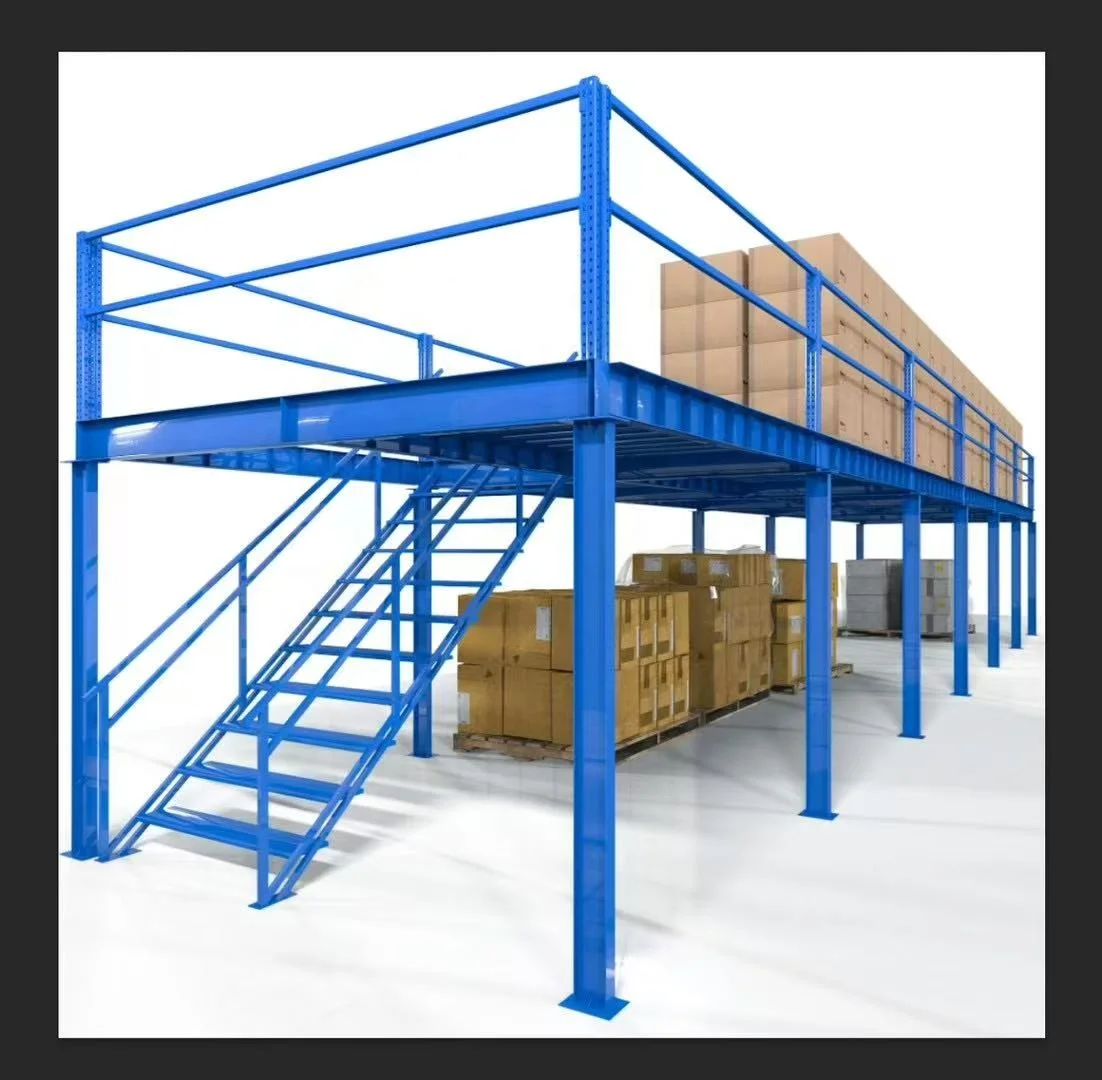
Effective space optimization requires a comprehensive approach that considers current inventory patterns, future growth projections, and operational workflows. Companies that successfully implement these strategies often see storage capacity increases of 30-60% without expanding their physical footprint. This dramatic improvement in space utilization directly translates to reduced operational costs and improved inventory management capabilities.
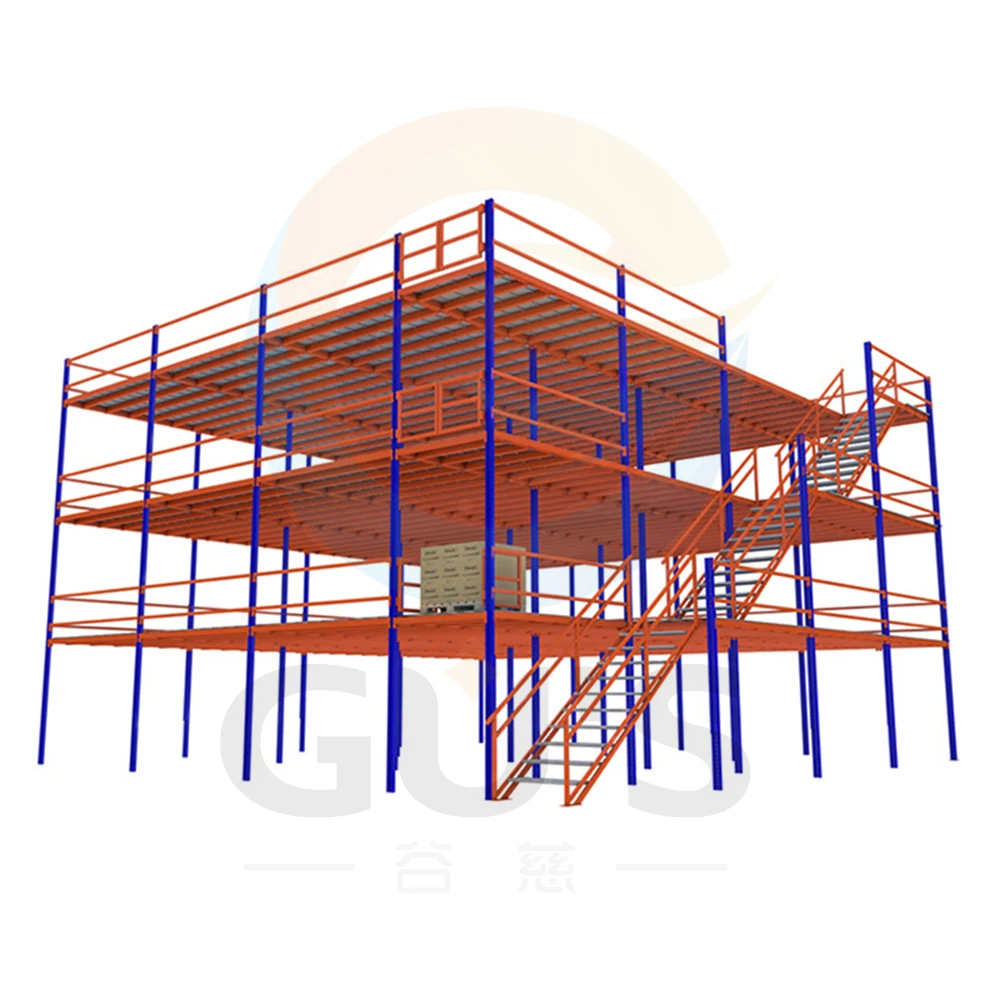
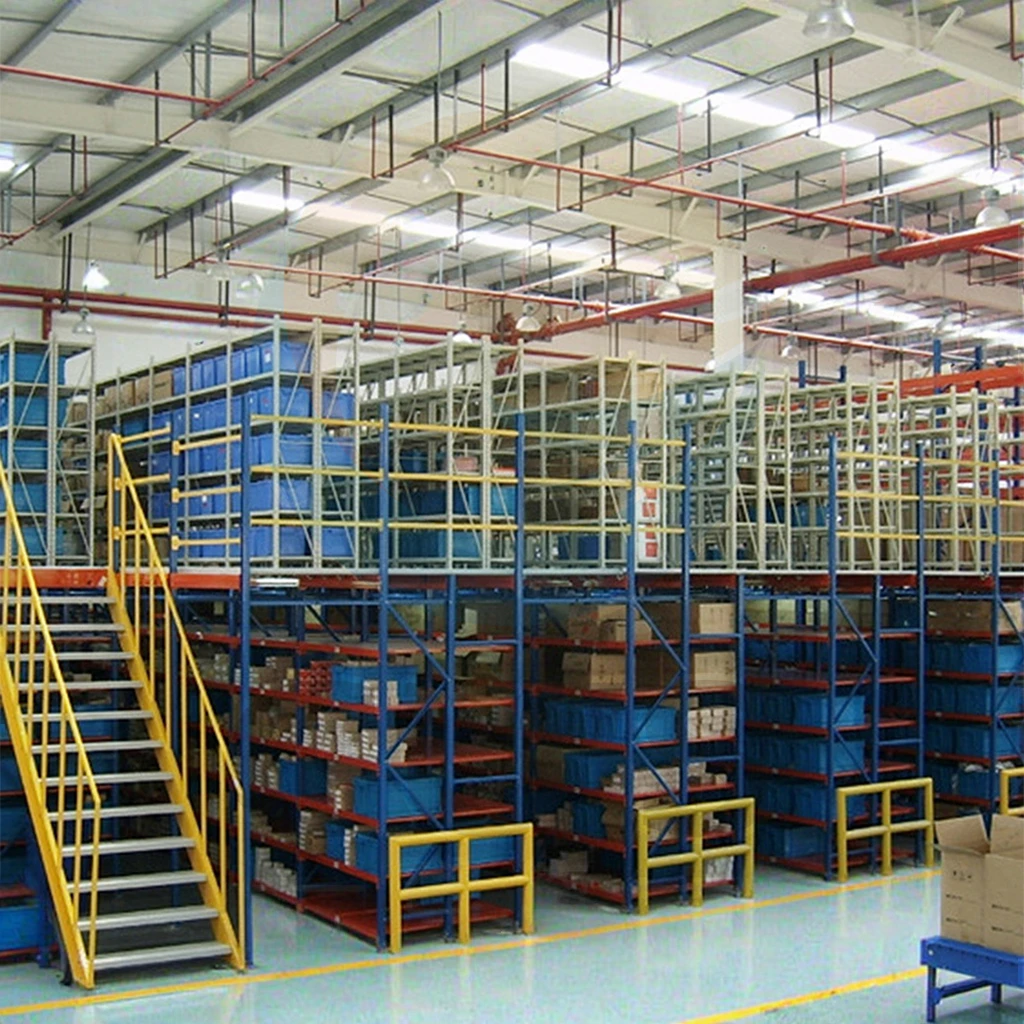
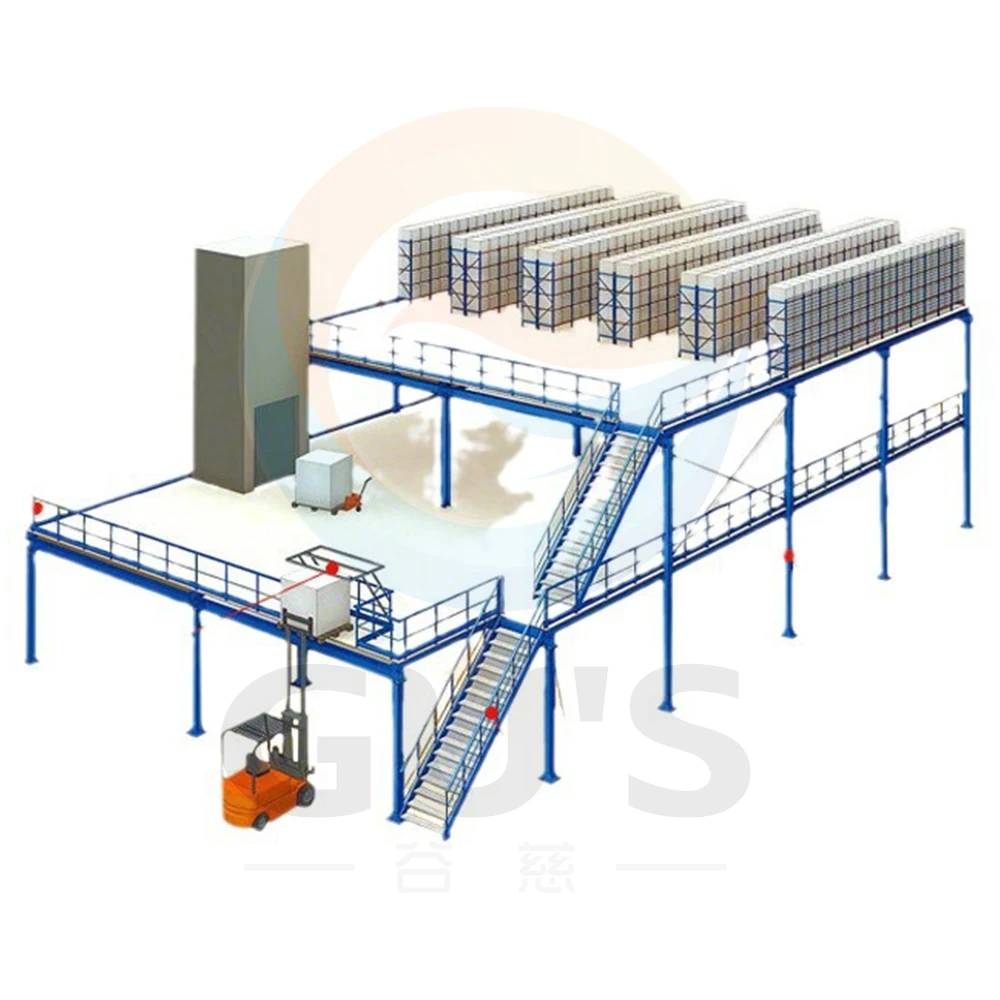
Steel mezzanine systems represent one of the most effective methods for doubling or tripling usable warehouse space without costly building expansions. These engineered structures create additional floor levels that can support various storage and operational activities. Modern mezzanine designs incorporate heavy-duty steel construction that meets industrial safety standards while providing flexible configuration options.
Implementation of mezzanine systems requires careful consideration of ceiling height, load requirements, and access points. Professional engineers calculate precise load-bearing capacities to ensure safe operation under maximum storage conditions. The installation process typically involves minimal disruption to ongoing warehouse operations, making it an attractive option for businesses that cannot afford extended downtime.
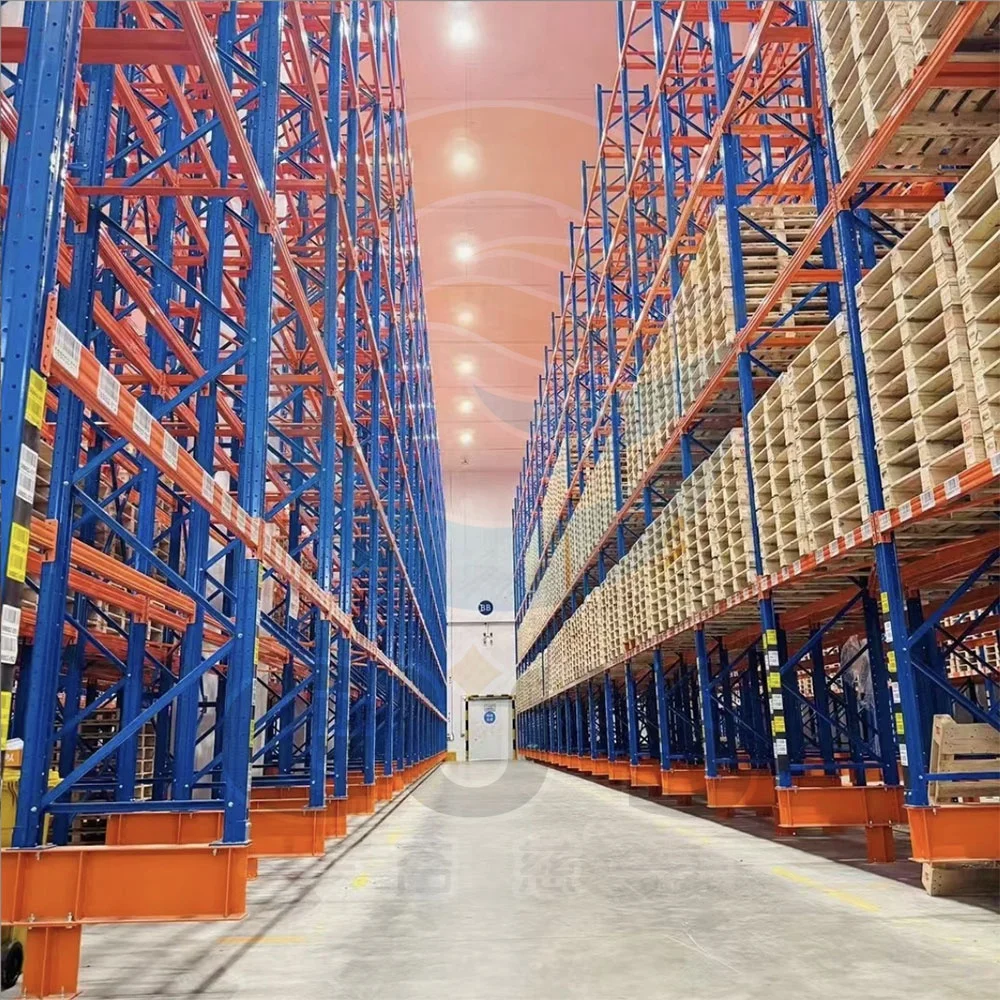
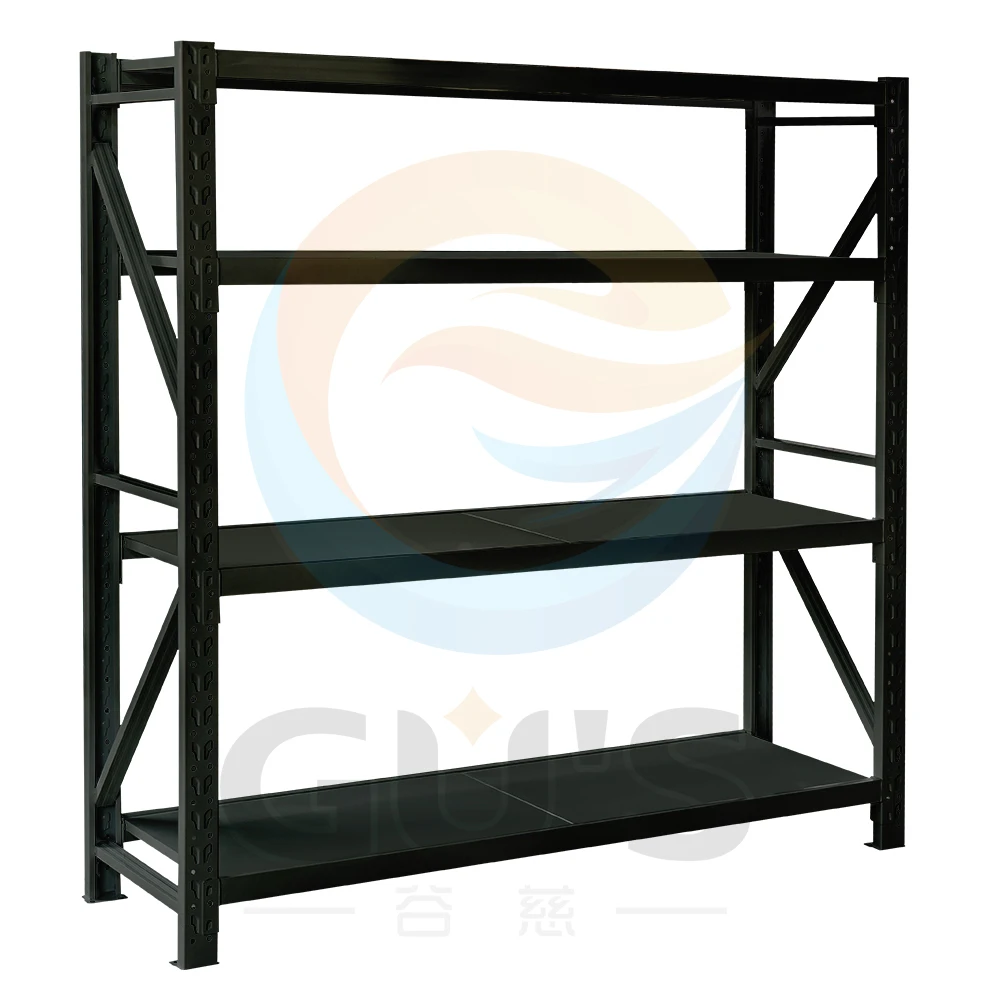
Advanced racking systems that extend to maximum ceiling heights enable warehouses to utilize previously wasted vertical space. These configurations often incorporate walkways, platforms, and integrated picking areas that maintain accessibility while maximizing storage density. The strategic placement of these systems considers forklift access patterns and emergency egress requirements.
Professional installation teams ensure that multi-level configurations comply with local building codes and safety regulations. The modular nature of these systems allows for future reconfiguration as storage needs evolve. Many facilities find that vertical expansion through racking proves more cost-effective than horizontal expansion through building additions.
Automated storage and retrieval systems revolutionize how warehouses approach space utilization by eliminating the need for wide aisles designed for human navigation. These systems can operate in narrow corridors with precision-controlled robotic units that access storage locations with millimeter accuracy. The compact design enables storage densities that exceed traditional methods by significant margins.
Integration of robotic systems requires sophisticated software that coordinates inventory management with retrieval operations. The initial investment in automation technology often pays for itself through reduced labor costs and improved accuracy rates. Many facilities report dramatic reductions in picking errors and faster order fulfillment times after implementing these advanced systems.
Conveyor systems optimize floor space by creating efficient pathways for product movement without dedicating large areas to vehicle traffic. Modern conveyor designs incorporate elevation changes that move products between different storage levels seamlessly. This vertical transportation capability works particularly well with warehouse solutions for space optimization that emphasize multi-level storage approaches.
Strategic conveyor placement eliminates bottlenecks while maintaining clear pathways for emergency access. The integration process involves careful planning to ensure that conveyor routes complement existing storage systems rather than interfering with their operation. Advanced control systems coordinate conveyor movement with warehouse management software to optimize throughput rates.
ABC analysis provides a systematic approach to organizing inventory based on movement frequency and value characteristics. This methodology ensures that high-turnover items occupy easily accessible locations while slower-moving products utilize higher or more remote storage areas. The strategic placement of inventory directly impacts the efficiency of space utilization throughout the facility.
Implementation of ABC principles requires comprehensive data analysis to identify movement patterns and seasonal variations. Warehouse management systems provide the analytical tools necessary to track these patterns and recommend optimal placement strategies. Regular review and adjustment of ABC classifications ensure that the system continues to optimize space utilization as business needs change.
Slotting optimization involves the strategic assignment of products to specific storage locations based on multiple factors including size, weight, velocity, and pick sequence. This approach minimizes wasted space by ensuring that storage locations match product characteristics. Advanced algorithms consider the interplay between different products to minimize travel time and maximize storage density.
Professional slotting analysis often reveals opportunities to increase storage capacity by 15-25% through better space allocation. The process involves detailed measurement of product dimensions and analysis of historical movement data. Regular slotting reviews ensure that the system adapts to changing product mixes and seasonal demand patterns.
Modern warehouse management systems provide real-time visibility into space utilization patterns and identify opportunities for improvement. These platforms integrate with various hardware systems to coordinate storage allocation, picking routes, and inventory placement decisions. The analytical capabilities enable continuous optimization of warehouse solutions for space optimization strategies.
Implementation of advanced WMS features often reveals hidden inefficiencies in current operations. The systems provide detailed reporting on space utilization rates, product velocity analysis, and operational bottlenecks. This data-driven approach enables managers to make informed decisions about layout changes and equipment investments.
Internet of Things sensors provide continuous monitoring of storage conditions and space utilization rates throughout warehouse facilities. These devices track environmental factors, monitor equipment performance, and provide alerts when storage areas approach capacity limits. The real-time data enables proactive management of space allocation and inventory placement.
Sensor networks integrate with existing warehouse management systems to provide comprehensive visibility into facility operations. The data collected helps identify trends in space utilization and predict future capacity needs. Many facilities use this information to optimize maintenance schedules and prevent equipment downtime that could impact storage efficiency.
Calculating return on investment for warehouse solutions for space optimization requires consideration of multiple factors including increased storage capacity, reduced operational costs, and improved productivity metrics. The analysis must account for initial capital expenditure, installation costs, and ongoing maintenance requirements. Professional evaluation helps businesses understand the long-term financial impact of optimization investments.
Comprehensive ROI analysis includes quantification of soft benefits such as improved customer satisfaction through faster order fulfillment and reduced error rates. These indirect benefits often contribute significantly to the overall value proposition. The payback period for space optimization projects typically ranges from 12 to 36 months depending on the scope and complexity of implementation.
Long-term value assessment considers the adaptability and scalability of warehouse solutions beyond immediate space gains. Future-oriented analysis evaluates how optimization strategies will accommodate business growth and changing market conditions. The flexibility to reconfigure systems as needs evolve represents significant value in dynamic business environments.
Professional value assessment includes consideration of technological advancement and potential obsolescence of current systems. The analysis helps businesses select solutions that will remain viable and continue providing value over extended periods. Strategic planning ensures that optimization investments align with long-term business objectives and growth projections.
Most warehouse space optimization projects achieve positive return on investment within 18 to 24 months of implementation. The exact timeline depends on factors such as project scope, initial storage capacity utilization, and operational improvements achieved. Projects focusing on vertical storage expansion often show faster ROI due to immediate capacity increases without ongoing operational changes.
Properly implemented warehouse solutions for space optimization typically increase storage capacity by 30 to 60 percent without facility expansion. Mezzanine systems and vertical racking can double or triple usable space in facilities with adequate ceiling height. The exact capacity increase depends on current layout efficiency and the specific optimization strategies employed.
Safety considerations for vertical storage include proper structural engineering analysis, compliance with local building codes, and implementation of appropriate fall protection systems. Professional installation ensures that all systems meet or exceed safety standards for load capacity and structural integrity. Regular inspection and maintenance programs maintain safety standards throughout the system lifecycle.
Automated storage and retrieval systems significantly improve space utilization by eliminating the need for wide aisles designed for human navigation and traditional material handling equipment. These systems can operate in aisles as narrow as 3 feet while maintaining high throughput rates. The compact design enables storage densities that exceed manual systems by 40 to 80 percent while improving accuracy and reducing labor requirements.

Be the first to get our latest styles and offers.
No.11 plant of Jiawei Enterprise,Longyou Industrial Park,Longyou County,Quzhou City,Zhejiang Province Post code: 324407
Copyright © 2026 Guci Cross Border E-Commerce (Quzhou City) Co., Ltd. All rights reserved. - Privacy Policy
 EN
EN
 Hot News