
Effective inventory management stands as the cornerstone of successful warehouse operations, directly impacting profitability, customer satisfaction, and operational efficiency. Modern businesses face increasing pressure to optimize their storage systems while maintaining accurate stock levels and reducing operational costs. The right warehouse solutions can transform chaotic storage environments into streamlined, productive facilities that support business growth and enhance competitive advantage in today's demanding marketplace.
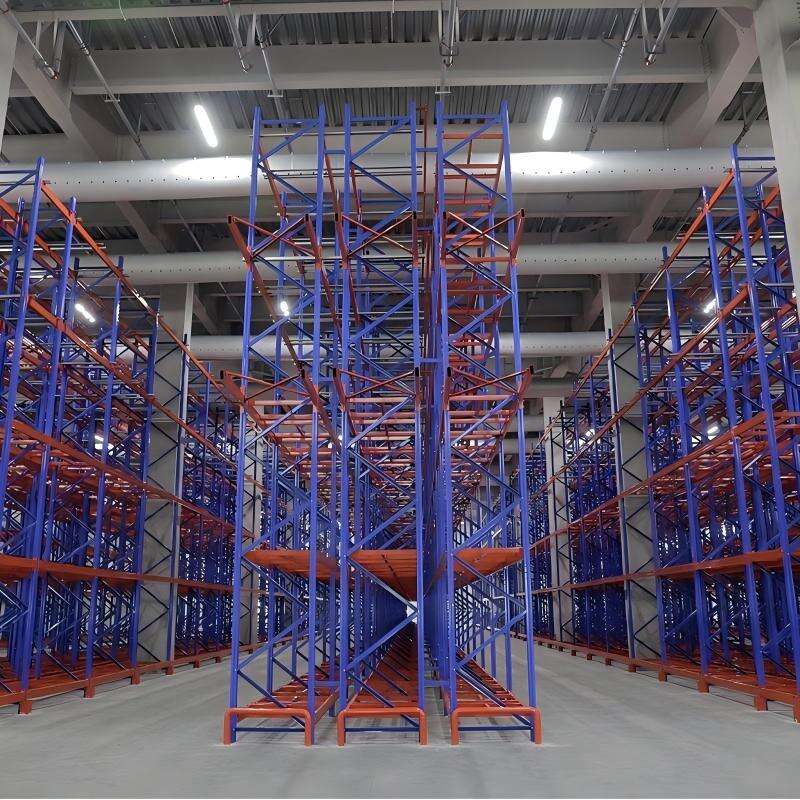
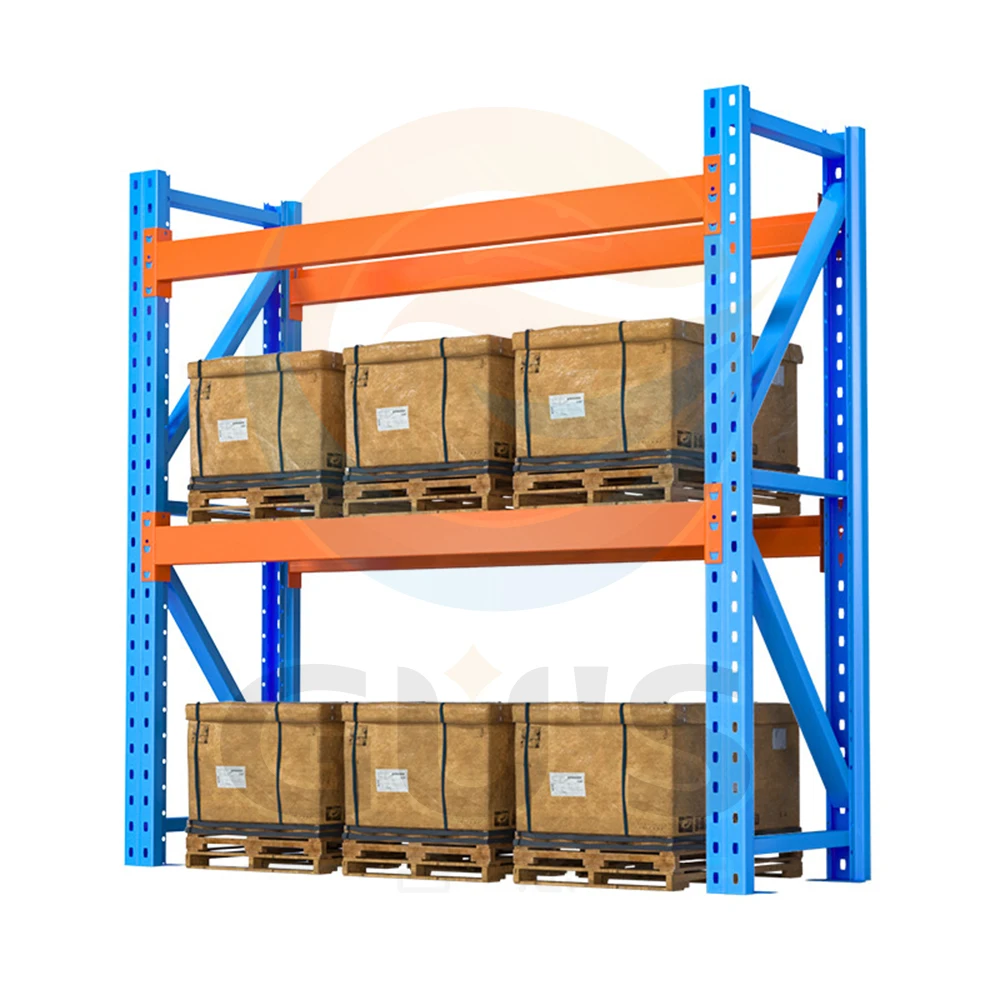
Medium-duty racking systems represent a fundamental component of comprehensive warehouse solutions, offering versatility and efficiency for diverse inventory requirements. These systems typically support 500kg per tier, providing robust storage capacity for a wide range of products while maintaining accessibility and safety standards. The strategic implementation of these systems creates organized storage zones that facilitate efficient picking processes and reduce labor costs associated with inventory management activities.
The modular nature of medium-duty racking allows warehouse managers to adapt their storage configurations as inventory requirements evolve. This flexibility proves invaluable for businesses experiencing seasonal fluctuations or expanding product lines. Professional installation ensures optimal weight distribution and compliance with safety regulations, creating a foundation for long-term operational success and minimizing risks associated with improper storage practices.
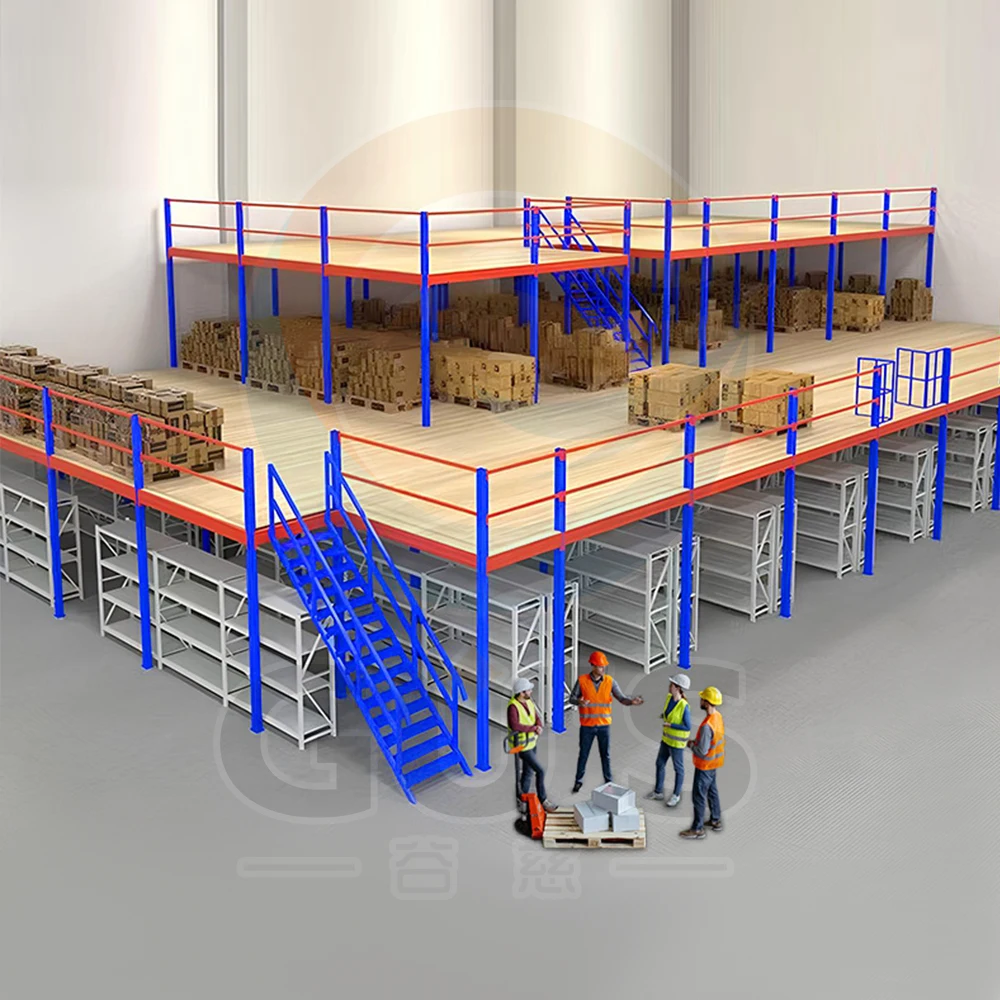
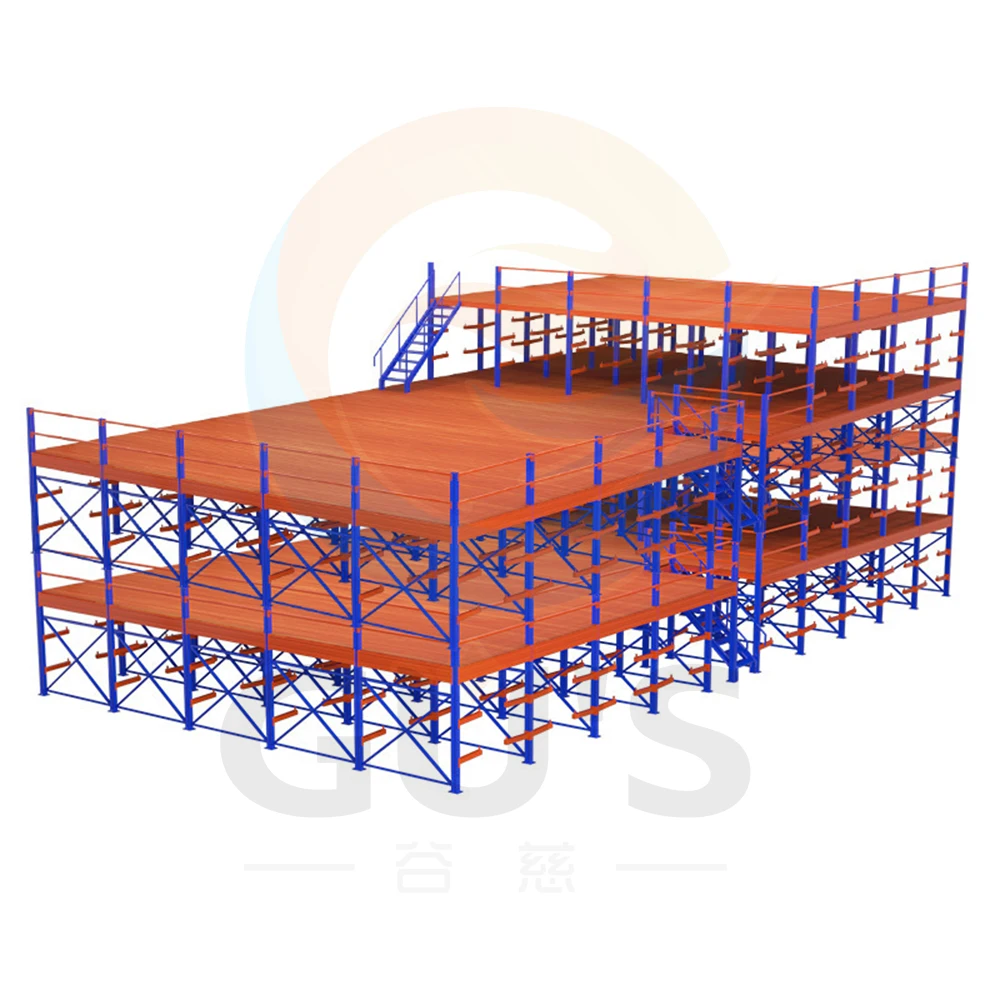
Stack racks complement traditional shelving systems by providing portable storage solutions that maximize vertical space utilization. These innovative warehouse solutions enable facilities to create temporary storage areas during peak seasons or reorganize inventory flow patterns without permanent structural modifications. The ability to stack units safely increases storage density while maintaining easy access to stored products, optimizing both space efficiency and operational workflow.
Integration of stack racks with existing warehouse infrastructure creates dynamic storage environments that adapt to changing operational demands. Facilities can deploy these systems strategically throughout the warehouse to create specialized storage zones for different product categories or seasonal inventory. This approach enhances overall warehouse organization and supports more sophisticated inventory management strategies that align with business objectives and customer service requirements.
Modern warehouse solutions leverage advanced warehouse management systems to provide real-time visibility into inventory levels, locations, and movement patterns. These integrated technologies eliminate manual tracking errors and provide accurate data for informed decision-making processes. Automated data collection through barcode scanning and RFID technology ensures inventory accuracy while reducing labor requirements for routine tracking activities.
The integration of WMS technology with physical storage systems creates comprehensive inventory management platforms that support advanced analytics and predictive planning. These systems generate detailed reports on inventory turnover rates, storage utilization, and operational efficiency metrics. Such insights enable warehouse managers to identify optimization opportunities and implement data-driven improvements that enhance overall facility performance and reduce operational costs.
Automated picking systems revolutionize warehouse operations by reducing manual labor requirements while improving accuracy and speed of order fulfillment processes. These sophisticated warehouse solutions integrate with inventory management software to optimize picking routes and minimize travel time within the facility. Robotic systems and conveyor networks create efficient pathways for product movement, reducing handling time and improving overall productivity levels.
The implementation of automated sorting systems further enhances inventory management capabilities by organizing products according to predetermined criteria such as destination, priority, or product characteristics. These systems reduce human error in sorting processes while accelerating order processing speeds. Advanced sorting technologies can handle diverse product sizes and weights, making them suitable for warehouses managing varied inventory portfolios and complex distribution requirements.
Effective warehouse solutions incorporate strategic zone planning that optimizes product placement based on velocity, seasonality, and handling requirements. Fast-moving items receive priority placement in easily accessible locations near shipping areas, while slower-moving inventory can be stored in higher or more remote locations. This strategic approach reduces picking time and labor costs while improving overall warehouse efficiency and customer service levels.
Zone planning also considers product compatibility and storage requirements, ensuring that items requiring special handling or environmental conditions are appropriately segregated. This careful planning prevents cross-contamination issues and maintains product quality throughout the storage period. Warehouse managers can implement flexible zoning strategies that accommodate changing product mixes and seasonal demand patterns while maintaining operational efficiency.
Cross-docking facilities represent advanced warehouse solutions that minimize storage time while maximizing throughput efficiency. These operations receive incoming shipments and immediately transfer products to outbound transportation without extended storage periods. This approach reduces inventory holding costs and accelerates product delivery times, creating competitive advantages for businesses serving time-sensitive markets or managing perishable inventory.
Flow-through warehouse designs incorporate specialized dock configurations and internal transportation systems that support seamless product movement from receiving to shipping areas. These facilities require careful coordination between suppliers, warehouse operations, and transportation providers to maintain optimal flow rates. Successful implementation of cross-docking operations can significantly reduce inventory investment while improving customer service through faster order fulfillment and reduced lead times.
Professional warehouse solutions prioritize structural safety through proper load calculations and adherence to industry safety standards. Medium-duty racking systems must comply with specific weight limitations and distribution requirements to prevent structural failures that could result in injuries or property damage. Regular safety inspections and maintenance protocols ensure continued compliance with evolving safety regulations and maintain safe working environments for warehouse personnel.
Load management protocols include training programs for warehouse staff on proper loading techniques and weight distribution practices. These educational initiatives reduce risks associated with overloading and improper stacking while extending the operational life of storage equipment. Documentation of load calculations and safety procedures supports compliance audits and demonstrates commitment to maintaining safe workplace standards throughout warehouse operations.
Warehouse solutions must incorporate comprehensive fire safety systems that protect both personnel and inventory from fire-related hazards. Sprinkler systems, smoke detection equipment, and emergency evacuation procedures form essential components of warehouse safety protocols. Storage system design must consider fire safety requirements, including appropriate spacing between racks and clear emergency exit pathways that remain unobstructed during normal operations.
Emergency response protocols include staff training on evacuation procedures and coordination with local fire departments for emergency response planning. Regular fire safety drills and equipment maintenance ensure readiness for emergency situations while compliance with local fire codes protects businesses from liability issues. These comprehensive safety measures create secure warehouse environments that protect valuable inventory investments and maintain operational continuity during emergency situations.
Implementing comprehensive warehouse solutions requires careful analysis of initial investment costs against projected operational benefits and long-term return on investment. Medium-duty racking systems and stack racks represent significant capital expenditures that must be justified through improved efficiency, reduced labor costs, and enhanced inventory management capabilities. Professional cost analysis considers equipment costs, installation expenses, and training requirements to develop accurate project budgets.
Implementation costs also include potential facility modifications, technology integration expenses, and temporary operational disruptions during installation periods. Businesses must plan for these transitional costs while maintaining normal operations and customer service levels. Phased implementation approaches can minimize disruption while allowing organizations to realize benefits incrementally as new systems become operational and staff adapt to improved processes.
Warehouse solutions generate long-term operational savings through reduced labor requirements, improved inventory accuracy, and enhanced space utilization efficiency. These systems eliminate many manual processes while reducing errors that result in customer service issues and additional handling costs. Improved organization and accessibility reduce the time required for picking operations, allowing warehouses to process more orders with existing staff levels or maintain service levels with reduced labor costs.
Enhanced inventory management capabilities prevent stockouts and overstock situations that negatively impact cash flow and customer satisfaction. Accurate inventory tracking reduces carrying costs associated with excess inventory while ensuring product availability for customer orders. These improvements create compound benefits that increase over time, providing substantial return on investment that justifies initial implementation expenses and supports continued operational excellence.
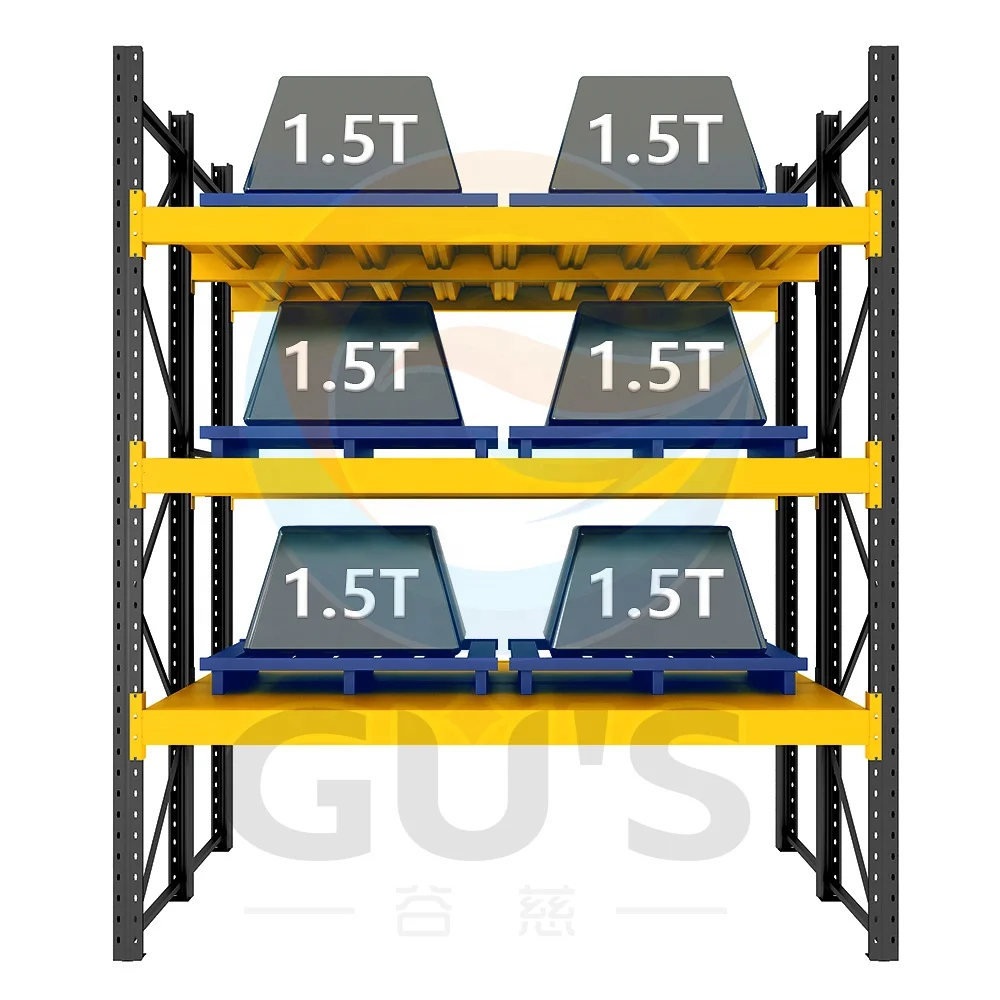
Medium-duty warehouse racking systems typically support 500kg per tier, which accommodates most standard inventory requirements while providing safety margins for varied loading conditions. The appropriate weight capacity depends on your specific products, storage density requirements, and safety regulations. Consider consulting with racking specialists to determine optimal load ratings based on your inventory characteristics and operational requirements.
Stack racks provide portable storage solutions that can be relocated and reconfigured as operational needs change, offering greater flexibility than permanent racking systems. These units stack vertically to maximize space utilization while maintaining easy access to stored products. Their modular design allows warehouses to adapt storage configurations for seasonal variations, product line changes, or workflow optimization without significant infrastructure modifications.
Essential safety considerations include proper load distribution, regular structural inspections, staff training on safe loading practices, and compliance with local building codes and safety regulations. Fire safety requirements must be integrated into storage system design, including sprinkler coverage, emergency exit access, and appropriate spacing between storage units. Professional installation and ongoing maintenance ensure continued safety and regulatory compliance throughout the system's operational life.
Technology integration through warehouse management systems, barcode scanning, and RFID tracking eliminates manual data entry errors while providing real-time inventory visibility. These systems automatically update inventory levels during receiving, picking, and shipping operations, maintaining accurate stock records without additional labor requirements. Advanced analytics capabilities identify trends and optimization opportunities that improve overall warehouse performance and inventory management effectiveness.

Be the first to get our latest styles and offers.
No.11 plant of Jiawei Enterprise,Longyou Industrial Park,Longyou County,Quzhou City,Zhejiang Province Post code: 324407
Copyright © 2026 Guci Cross Border E-Commerce (Quzhou City) Co., Ltd. All rights reserved. - Privacy Policy
 EN
EN
 Hot News