
Proper maintenance of supermarket shelves is essential for ensuring their longevity and maintaining a professional retail environment. Well-maintained shelving systems not only enhance the shopping experience but also protect your investment in retail infrastructure. Understanding the fundamentals of shelf maintenance helps retailers maximize the lifespan of their display systems while minimizing replacement costs and downtime.
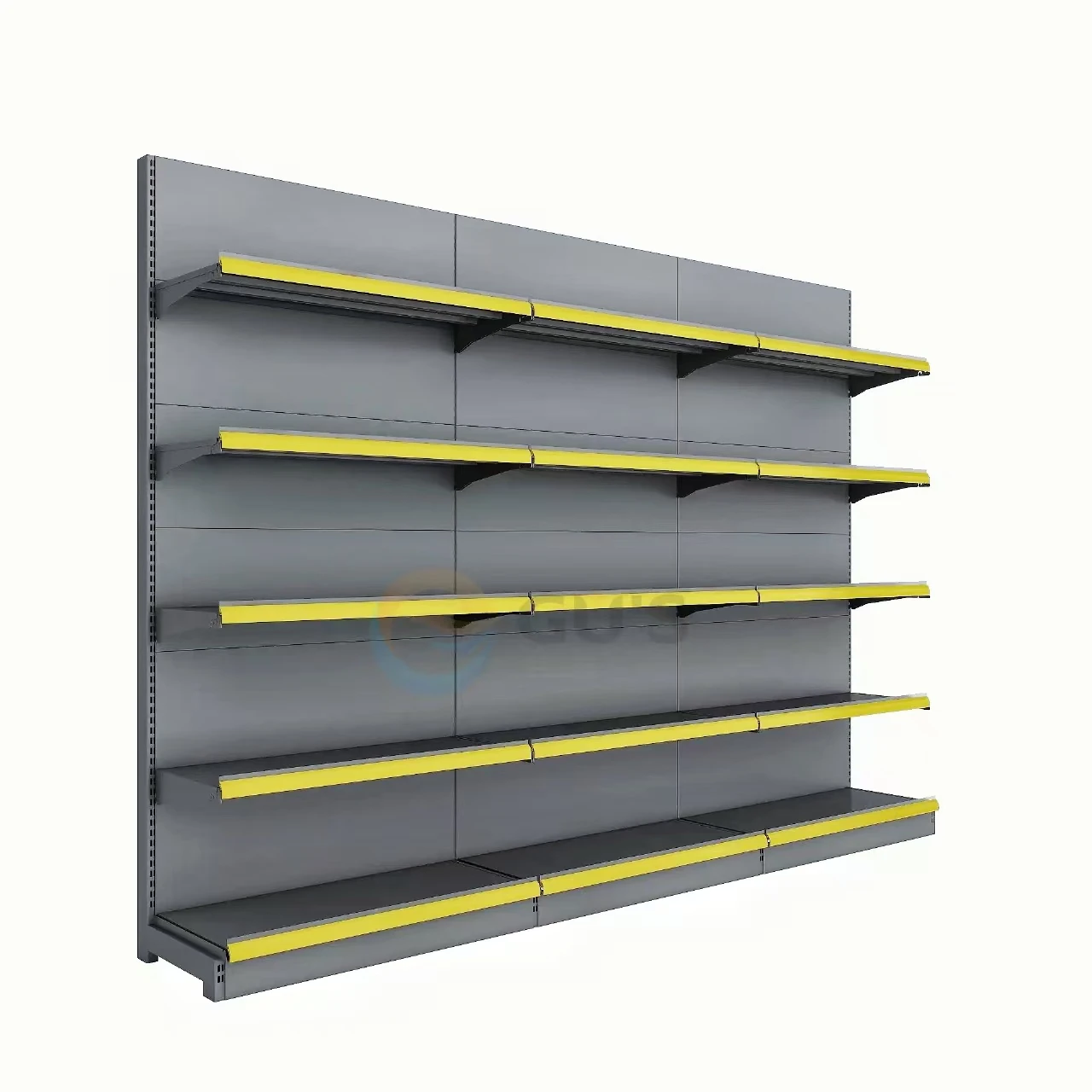
Modern retail environments demand shelving solutions that can withstand constant use, heavy loads, and frequent adjustments. The key to achieving optimal shelf performance lies in implementing systematic maintenance practices that address both preventive care and responsive repairs. This comprehensive approach ensures that your retail infrastructure remains functional, safe, and visually appealing throughout its operational life.
Most commercial supermarket shelves utilize metal gondola construction, featuring steel frames with adjustable components. These systems typically include base units, uprights, back panels, and adjustable shelf levels that accommodate various product sizes. Understanding the individual components helps identify potential wear points and maintenance requirements specific to each element.
The quality of materials used in shelf construction directly impacts maintenance needs and longevity expectations. High-grade steel components resist corrosion and structural fatigue better than lower-quality alternatives. Surface treatments such as powder coating or galvanization provide additional protection against environmental factors that could compromise shelf integrity over time.
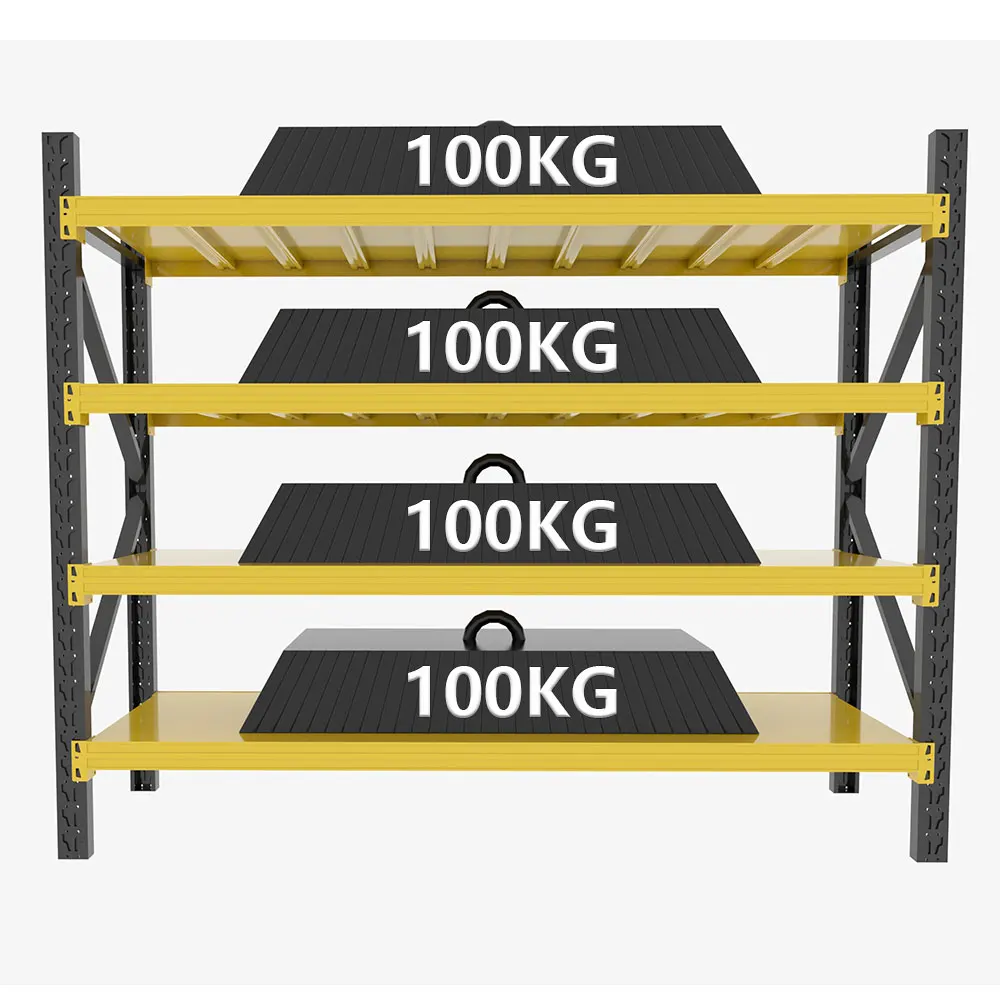
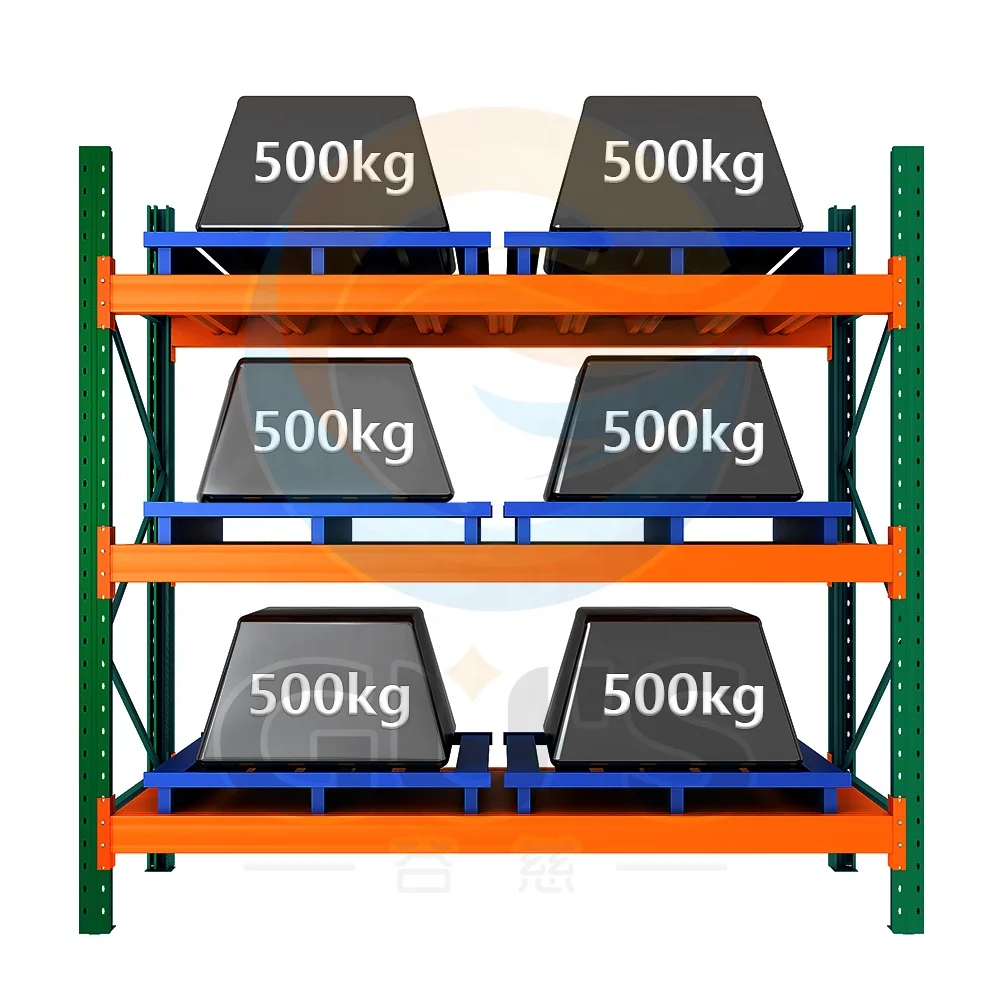
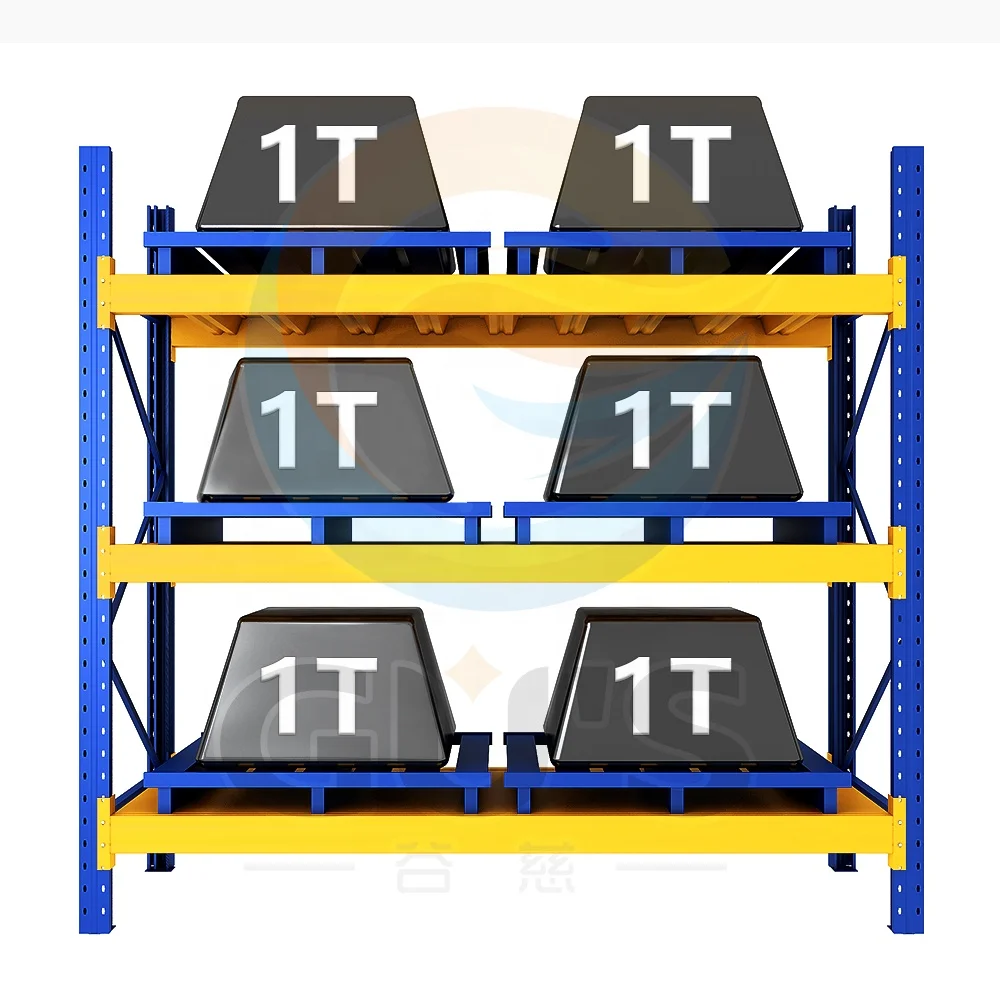
Each shelving unit has specific load-bearing capacities that must be respected to prevent structural damage and ensure safety. Exceeding weight limits leads to premature wear, bent components, and potential collapse risks. Proper weight distribution across shelf surfaces prevents localized stress concentrations that could compromise structural integrity.
Regular assessment of product placement patterns helps identify areas where weight distribution might be creating uneven stress on shelf components. Repositioning heavy items and using appropriate support brackets maintains optimal load distribution throughout the shelving system. This proactive approach prevents costly repairs and extends overall shelf life significantly.
Daily visual inspections form the foundation of effective shelf maintenance programs. Staff should examine shelf surfaces, connections, and structural elements for signs of wear, damage, or loosening. Early detection of issues allows for prompt intervention before minor problems escalate into major repairs or safety hazards.
Create standardized inspection checklists that cover all critical components including shelf brackets, support posts, connecting hardware, and surface conditions. Document findings consistently to track wear patterns and identify recurring issues that might indicate systemic problems requiring attention. This systematic approach ensures comprehensive coverage and maintains accountability among maintenance personnel.
Regular cleaning prevents accumulation of dirt, debris, and corrosive substances that could damage shelf surfaces or compromise structural components. Use appropriate cleaning solutions that effectively remove contaminants without causing chemical damage to protective coatings or metal surfaces. Avoid abrasive materials that might scratch or wear away protective finishes.
Establish cleaning schedules that account for traffic levels, product types, and environmental conditions in different store areas. High-traffic zones may require more frequent attention, while areas handling sticky or acidic products need specialized cleaning protocols. Consistent cleaning practices preserve both appearance and structural integrity of shelving systems.
Weekly structural assessments involve more detailed examination of shelf stability, connection tightness, and alignment accuracy. Check that all bolts, screws, and connecting hardware remain properly tightened and secure. Loose connections compromise structural integrity and can lead to shelf collapse or product damage if left unaddressed.
Use appropriate tools to verify torque specifications on critical connections, particularly at base attachments and major support joints. Document any adjustments made and note recurring loose connections that might indicate worn hardware requiring replacement. This detailed attention prevents catastrophic failures and maintains safe operating conditions.
Monthly maintenance includes evaluation of shelf configurations to ensure optimal product display and structural efficiency. Assess whether current arrangements effectively utilize available space while maintaining proper weight distribution and accessibility. Reconfigure shelving layouts as needed to accommodate changing product lines or seasonal merchandise requirements.
When making adjustments, follow manufacturer specifications for proper installation techniques and load distribution. Ensure that modifications maintain structural integrity and comply with safety standards. Document configuration changes to maintain accurate records of shelf arrangements and load capacities throughout the facility.
Develop comprehensive replacement schedules based on manufacturer recommendations, usage patterns, and observed wear rates. Critical components such as shelf brackets, support clips, and connection hardware should be replaced proactively before failure occurs. This preventive approach minimizes disruption to store operations and prevents damage to products or equipment.
Maintain adequate inventory of replacement parts to ensure prompt repairs when needed. Standard components such as shelf clips, brackets, and mounting hardware should be readily available to minimize downtime when maintenance issues arise. Consider establishing relationships with suppliers who can provide emergency parts delivery for critical repairs.
Implement environmental controls that protect shelving systems from conditions that accelerate wear or corrosion. Maintain appropriate humidity levels to prevent moisture-related damage to metal components. Ensure adequate ventilation to prevent accumulation of corrosive vapors from cleaning chemicals or product substances.
Apply protective treatments to shelf surfaces in areas exposed to harsh conditions such as freezer sections or chemical storage areas. Regular application of appropriate protective coatings extends component life and maintains appearance standards. Consider upgrading to more resistant materials in particularly challenging environments.
Common structural issues include bent shelves, loose connections, and misaligned components that affect both appearance and functionality. Address bent shelves immediately by removing excessive loads and either straightening or replacing damaged components. Continued use of damaged structural elements compromises safety and accelerates wear on connected components.
Loose connections typically result from vibration, thermal expansion, or gradual settling of the building structure. Systematically tighten all connections during routine maintenance and consider using thread-locking compounds on critical fasteners. Replace worn or stripped hardware promptly to maintain secure connections throughout the system.
Surface damage such as scratches, chips, or corrosion spots requires prompt attention to prevent escalation into more serious problems. Minor scratches can often be addressed with touch-up paint or protective coatings that restore appearance and prevent corrosion. More extensive damage may require component replacement to maintain professional standards.
Establish protocols for assessing whether surface damage affects structural integrity or merely appearance. Safety-critical damage requires immediate repair or replacement, while cosmetic issues can be scheduled during planned maintenance windows. This prioritization ensures efficient use of maintenance resources while maintaining safety standards.
Implement product rotation strategies that distribute wear evenly across shelving systems. Avoid consistently placing heavy items in the same locations, which creates localized stress concentrations that accelerate wear. Rotate high-traffic merchandise displays to different shelf locations periodically to ensure even wear distribution.
Monitor load patterns and adjust product placement to optimize weight distribution across the entire shelving system. Use load-spreading techniques such as distributing heavy items across multiple shelf positions rather than concentrating them in single locations. This approach maximizes structural life and prevents premature failure of heavily loaded components.
Develop long-term plans for systematic upgrading of aging shelving components to maintain optimal performance standards. Consider replacing older sections with modern systems that offer improved durability, adjustability, or load capacity. Plan upgrades during low-traffic periods to minimize disruption to store operations.
Evaluate new shelving technologies and materials that might offer superior performance or lower maintenance requirements. Modern shelving systems often incorporate improved connection methods, better surface treatments, and enhanced adjustability features that reduce long-term maintenance costs. Strategic upgrades can significantly extend overall system life while improving functionality.
Supermarket shelves should undergo daily visual inspections for obvious damage or safety issues, weekly detailed structural assessments, and monthly comprehensive evaluations. High-traffic areas may require more frequent attention, while storage areas can follow standard schedules. Document all inspections to track wear patterns and identify recurring issues that need attention.
The most common causes include overloading beyond weight capacity, improper installation, inadequate cleaning leading to corrosion, and impact damage from carts or equipment. Environmental factors such as excessive moisture, chemical exposure, and temperature fluctuations also contribute to accelerated wear. Proper training and adherence to maintenance protocols significantly reduce these issues.
Replace components when structural integrity is compromised, repair costs exceed replacement costs, or safety standards cannot be maintained through repairs. Bent support posts, cracked welds, severely corroded surfaces, and worn connection points typically require replacement. Consider replacement when repeated repairs indicate systemic failure or when components no longer meet current safety standards.
Minimize costs through preventive maintenance programs, proper staff training, appropriate cleaning protocols, and strategic component upgrades. Invest in quality shelving systems initially to reduce long-term maintenance requirements. Maintain adequate spare parts inventory to avoid emergency procurement costs and schedule maintenance during low-traffic periods to minimize operational disruption and associated costs.

Be the first to get our latest styles and offers.
No.11 plant of Jiawei Enterprise,Longyou Industrial Park,Longyou County,Quzhou City,Zhejiang Province Post code: 324407
Copyright © 2026 Guci Cross Border E-Commerce (Quzhou City) Co., Ltd. All rights reserved. - Privacy Policy
 EN
EN
 Hot News