
The modern warehouse landscape demands efficient storage solutions that maximize space utilization while ensuring easy access to materials. Cantilever racks have emerged as a versatile storage system, particularly suited for long, bulky items that traditional pallet racking cannot accommodate effectively. These specialized storage structures feature a vertical column with horizontal arms extending from one side, creating an open and accessible storage environment that has revolutionized material handling in numerous industries.
When properly selected and implemented, cantilever rack systems can dramatically improve warehouse operations, reduce material handling time, and optimize storage density. The key lies in understanding your specific requirements and choosing a system that aligns perfectly with your operational needs.
The foundation of selecting an appropriate cantilever rack system begins with a thorough analysis of your load requirements. Consider not only the current weight of materials you need to store but also potential future needs. Each arm of a cantilever rack must be capable of supporting the designated load while maintaining structural integrity. Industry standards typically recommend maintaining a safety factor by choosing racks rated for weights higher than your actual needs.
Additionally, the distribution of weight across the arms plays a crucial role in system stability. Uniform load distribution ensures optimal performance and prevents structural stress that could compromise safety. Modern cantilever rack designs incorporate advanced engineering principles to provide maximum load-bearing capacity while maintaining system flexibility.
The length, width, and height of your stored materials directly influence the design and configuration of your cantilever rack system. Arm length must accommodate your longest items while providing adequate support throughout their entire length. Consider the vertical spacing between arms to ensure efficient use of vertical space while maintaining safe clearance for material handling equipment.
Contemporary cantilever rack configurations offer adjustable arm positions, allowing for customization based on changing storage needs. This adaptability proves invaluable as inventory requirements evolve over time, providing long-term value for your investment.
The environment where your cantilever rack will be installed significantly impacts its design and material composition. Indoor installations may have different requirements compared to outdoor storage areas exposed to weather elements. Factors such as temperature fluctuations, moisture levels, and exposure to corrosive substances must be carefully evaluated when selecting appropriate materials and protective coatings.
Floor conditions and available space also play crucial roles in the installation process. Ensure your facility's floor can support the combined weight of the rack system and stored materials. Proper anchoring and installation techniques are essential for maintaining system stability and safety compliance.
Modern cantilever rack systems incorporate various safety features designed to protect both personnel and materials. Load stops at arm ends prevent items from sliding off, while base plates provide enhanced stability. Understanding and implementing current safety standards and regulations ensures your storage solution meets industry requirements while minimizing operational risks.
Regular inspection protocols and maintenance schedules should be established to maintain system integrity over time. This proactive approach helps identify potential issues before they develop into serious problems, ensuring continuous safe operation of your storage system.
The success of your cantilever rack implementation largely depends on its compatibility with your existing material handling equipment. Consider the turning radius and lift height requirements of your forklifts or other handling equipment when determining aisle widths and vertical clearances. The right configuration ensures smooth material flow and maximizes operational efficiency.
Advanced cantilever rack designs often incorporate features that facilitate easier loading and unloading operations, such as tapered arm designs or integrated guide systems. These enhancements can significantly improve handling efficiency and reduce the risk of material damage during storage operations.
When selecting a cantilever rack system, consider not only your current needs but also potential future requirements. Modular designs allow for system expansion or reconfiguration as your storage needs evolve. This flexibility proves invaluable in dynamic business environments where storage requirements may change rapidly.
Investment in a scalable system often provides better long-term value, even if initial costs are slightly higher. The ability to adapt your storage solution without complete system replacement offers significant advantages in terms of both cost efficiency and operational continuity.
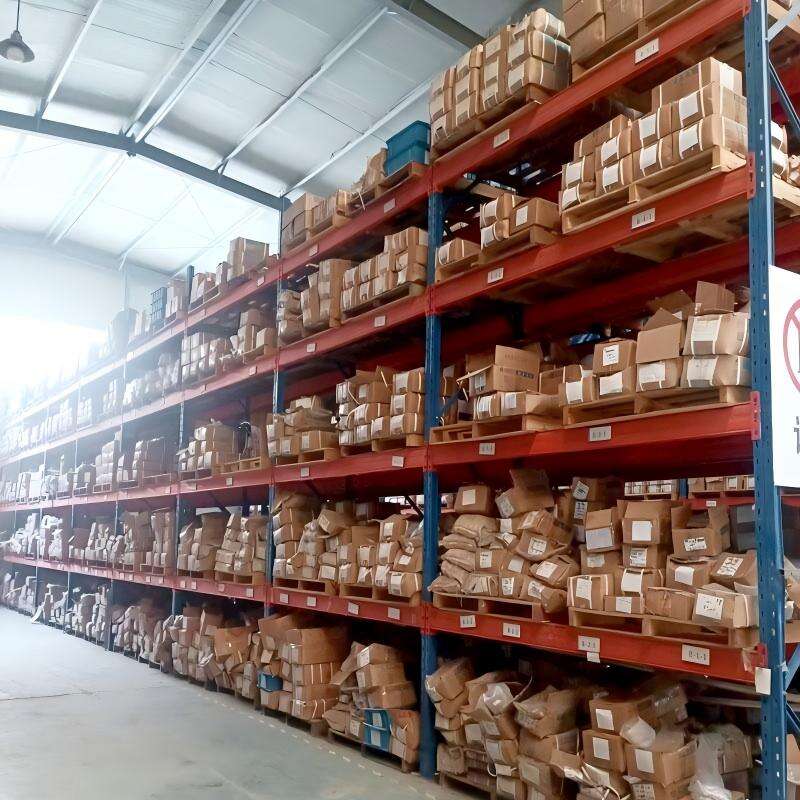
Cantilever rack systems excel in storing long, bulky items due to their open-front design, eliminating the need for vertical supports that could interfere with loading and unloading. They offer greater flexibility in storing items of varying lengths and provide more efficient space utilization compared to traditional pallet racking systems.
The appropriate arm length should be determined based on the longest items you plan to store, plus additional clearance for safe handling. Generally, it's recommended to choose arms that extend slightly beyond your longest items while ensuring they maintain proper load-bearing capacity throughout their entire length.
Regular maintenance includes visual inspections for damage or wear, checking arm connections and base plates for stability, ensuring proper load distribution, and verifying that all safety features remain functional. It's recommended to conduct documented inspections at least quarterly and address any issues immediately to maintain system safety and efficiency.

Be the first to get our latest styles and offers.
No.11 plant of Jiawei Enterprise,Longyou Industrial Park,Longyou County,Quzhou City,Zhejiang Province Post code: 324407
Copyright © 2026 Guci Cross Border E-Commerce (Quzhou City) Co., Ltd. All rights reserved. - Privacy Policy
 EN
EN

 Hot News