
Modern warehouse management demands innovative storage solutions that maximize space utilization while ensuring smooth operations. Cantilever rack systems have emerged as a game-changing solution for businesses seeking to optimize their warehouse organization. These versatile storage structures feature horizontal arms extending from vertical columns, creating an efficient storage system for long, bulky, and irregular items that traditional pallet racking simply cannot accommodate effectively.
At its heart, a cantilever rack consists of several essential components working together to create a robust storage solution. The vertical columns, also known as uprights, serve as the main support structure. These are anchored to the floor and feature adjustable arm locations. The horizontal arms extend outward from these columns, providing the actual storage surface. Base supports ensure stability, while bracing maintains structural integrity across the entire system.
The engineering behind cantilever rack design allows for remarkable flexibility in arm spacing and height adjustments. This adaptability means businesses can modify their storage configuration as inventory needs change, without requiring a complete system overhaul. The arms can be adjusted vertically in small increments, typically ranging from 4 to 6 inches, allowing precise positioning for optimal storage efficiency.
The versatility of cantilever rack systems shines through in their material handling capabilities. These racks excel at storing lumber, pipes, tubing, steel bars, carpet rolls, and various other long or irregularly shaped items. The open-front design eliminates the need for vertical supports at the picking face, providing unrestricted access to stored materials and significantly reducing product damage during loading and unloading operations.
Load capacity varies based on arm length and column height, with systems capable of handling weights from several hundred to thousands of pounds per level. This robust weight capacity, combined with the ability to store items of virtually any length, makes cantilever rack an invaluable asset in warehouses dealing with diverse inventory profiles.
One of the most compelling benefits of cantilever rack implementation is its ability to maximize vertical space utilization. By storing items vertically, warehouses can significantly reduce their storage footprint while maintaining or even increasing storage capacity. The elimination of front support posts means aisles can be narrower, further enhancing space efficiency without compromising accessibility.
The system's design also allows for double-sided configurations, effectively doubling storage capacity in the same floor space. This feature is particularly valuable in warehouses where square footage comes at a premium. The vertical storage approach not only saves floor space but also improves inventory organization and visibility.
The open-front design of cantilever rack systems facilitates quick and easy access to stored materials. Fork truck operators can approach loads directly, without having to navigate around support posts or other obstacles. This direct access significantly reduces product handling time and minimizes the risk of damage during loading and unloading operations.
The system's design also allows for sequential storage of similar items, making it easier to implement first-in-first-out (FIFO) inventory management practices. This organized approach to storage helps maintain proper stock rotation and reduces the likelihood of inventory becoming obsolete or damaged due to extended storage periods.
Safety is paramount in warehouse operations, and cantilever rack systems incorporate several important safety features. Load arms typically include end stops to prevent items from sliding off, while proper bracing ensures structural stability even under maximum load conditions. Regular inspection protocols help maintain system integrity and identify potential issues before they become safety hazards.
Compliance with industry standards and regulations is essential when installing and operating cantilever rack systems. This includes adherence to weight capacity limitations, proper installation procedures, and regular maintenance schedules. Many systems also feature safety locks that prevent accidental arm displacement during loading operations.
While cantilever rack systems are built for durability, regular maintenance is crucial for ensuring long-term performance and safety. This includes periodic inspections of structural components, tightening of bolts and connections, and checking for any signs of damage or wear. Proper maintenance not only extends the system's lifespan but also helps prevent costly repairs and potential safety incidents.
The modular nature of cantilever rack systems makes repairs and replacements relatively straightforward. Damaged components can often be replaced individually without affecting the entire structure, minimizing downtime and maintenance costs. This modularity also allows for easy expansion or reconfiguration as storage needs evolve.
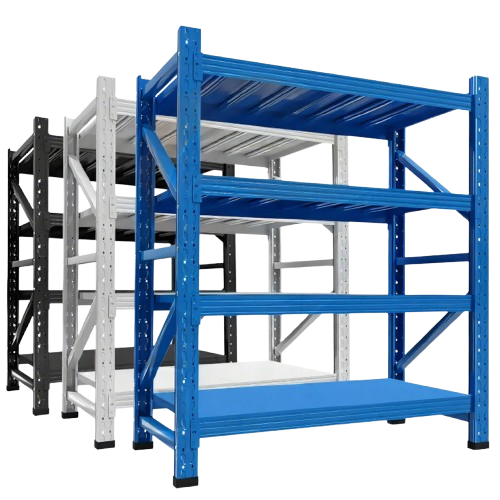
The initial cost of a cantilever rack system depends on various factors, including size, capacity requirements, and specific design features. While the upfront investment may be higher compared to some traditional storage solutions, the long-term benefits often justify the cost. Factors to consider include improved space utilization, reduced product damage, increased operational efficiency, and lower maintenance requirements.
When analyzing the investment, it's important to consider both direct and indirect cost benefits. Direct savings come from improved space utilization and reduced product damage, while indirect benefits include improved workflow efficiency and reduced labor costs associated with material handling.
The durability and adaptability of cantilever rack systems contribute to excellent long-term value. The ability to reconfigure the system as needed extends its useful life and provides flexibility for changing business needs. Additionally, the reduced product damage and improved operational efficiency continue to generate cost savings throughout the system's lifecycle.
Many businesses find that cantilever rack systems pay for themselves through improved operational efficiency and reduced storage costs. The combination of space savings, reduced product damage, and improved material handling efficiency creates a compelling return on investment scenario for warehouses of all sizes.
Weight capacity varies depending on the specific design and configuration of the system. Standard cantilever rack arms can typically support anywhere from 500 to 3,000 pounds per arm, with some heavy-duty systems capable of handling even greater loads. It's crucial to work with a qualified supplier to determine the appropriate capacity for your specific needs.
Cantilever racks are ideal for storing long, bulky, or irregularly shaped items such as lumber, pipes, steel bars, tubing, carpet rolls, furniture, and similar materials. The system's design is particularly well-suited for items that are difficult to store on traditional pallet racking systems.
Regular inspections should be conducted at least quarterly, with more frequent checks in high-use environments. Daily visual inspections by operators can help identify immediate concerns, while comprehensive professional inspections should be performed annually to ensure structural integrity and compliance with safety regulations.

Be the first to get our latest styles and offers.
No.11 plant of Jiawei Enterprise,Longyou Industrial Park,Longyou County,Quzhou City,Zhejiang Province Post code: 324407
Copyright © 2026 Guci Cross Border E-Commerce (Quzhou City) Co., Ltd. All rights reserved. - Privacy Policy
 EN
EN
 Hot News