
Finding the right mezzanine floor supplier is crucial for businesses looking to maximize their warehouse space efficiently. A reliable supplier ensures quality construction, proper engineering, and long-term durability for your investment. The industrial storage market offers numerous options, but not all suppliers deliver the same level of expertise and service quality. Understanding what distinguishes a professional mezzanine floor supplier from mediocre alternatives can save your business significant time and money while ensuring workplace safety compliance.
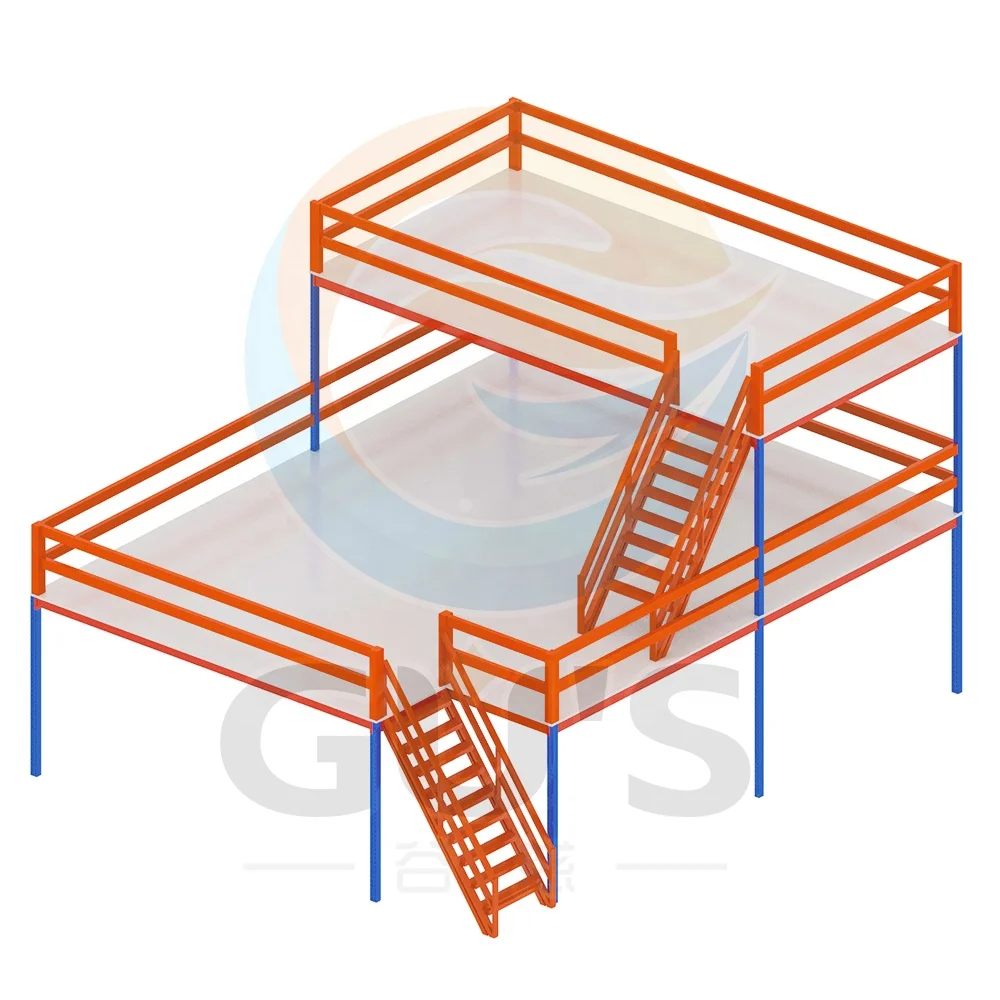
A competent mezzanine floor supplier must possess certified structural engineering capabilities to ensure safe load-bearing designs. Professional suppliers employ licensed engineers who understand building codes, load calculations, and safety regulations specific to industrial applications. These qualifications guarantee that your mezzanine structure meets local building standards and can safely support intended weight loads. Verify that your chosen supplier provides detailed engineering drawings and load calculations with their proposals.
Engineering expertise extends beyond basic calculations to include seismic considerations, fire safety compliance, and accessibility requirements. Experienced suppliers understand how different materials behave under stress and can recommend optimal configurations for your specific application. They should also provide comprehensive documentation for permit applications and building inspections. Quality engineering prevents costly modifications or safety issues after installation completion.
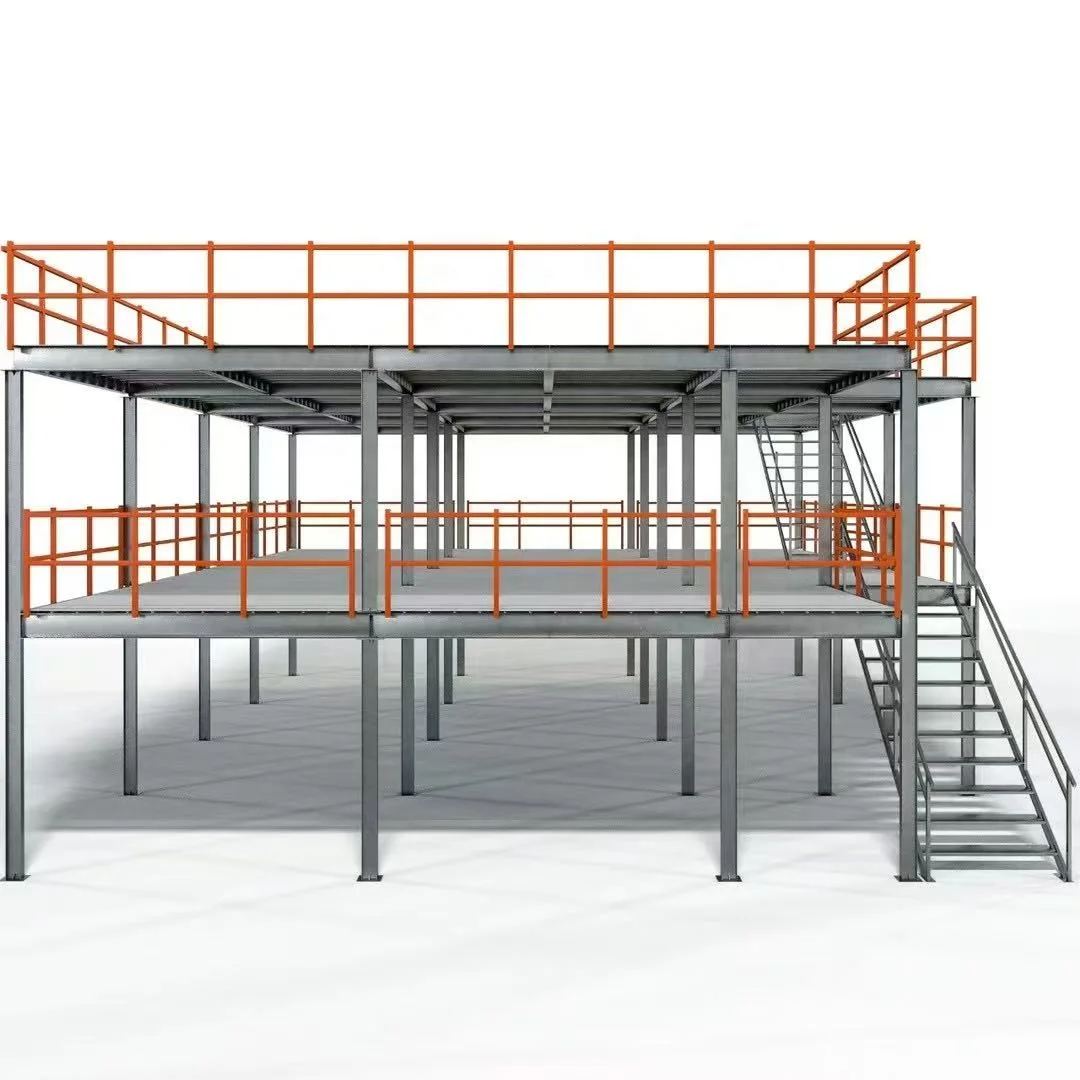
Leading suppliers offer customized design services tailored to your facility's unique requirements and operational needs. They conduct thorough site surveys to assess existing infrastructure, ceiling heights, and potential obstacles that might affect installation. A professional mezzanine floor supplier provides detailed 3D renderings and technical drawings that clearly illustrate the proposed solution. These visual representations help stakeholders understand the project scope and make informed decisions.
Custom design capabilities include integrating conveyor systems, stairways, safety railings, and access points seamlessly into the overall structure. Suppliers should accommodate specific industry requirements such as clean room standards, temperature control considerations, or specialized equipment mounting needs. The design process should involve collaborative consultation to ensure the final solution optimizes workflow efficiency and meets operational objectives.
Superior mezzanine floor supplier operations utilize high-grade structural steel manufactured to recognized industry standards such as AISC specifications. Quality materials ensure structural integrity, longevity, and resistance to environmental factors like corrosion and thermal expansion. Reputable suppliers provide material certifications and mill test certificates documenting steel composition and strength characteristics. These documents verify that materials meet specified requirements and provide traceability for quality assurance purposes.
Fabrication quality significantly impacts the final product's performance and appearance. Professional suppliers employ certified welders and utilize advanced fabrication equipment to ensure precise tolerances and consistent quality. Look for suppliers who follow documented quality control procedures and conduct regular inspections throughout the manufacturing process. Proper surface preparation and finishing protect against corrosion while providing an attractive appearance that reflects professional installation standards.
Comprehensive mezzanine floor supplier services include sourcing and integrating all necessary components such as decking materials, handrails, gates, and lighting systems. Quality suppliers maintain relationships with reliable component manufacturers and can recommend appropriate materials for specific applications. They understand how different components interact and ensure compatibility throughout the entire system. This integrated approach eliminates coordination issues and ensures consistent quality across all elements.
Accessory selection should consider factors like load requirements, environmental conditions, and maintenance accessibility. Professional suppliers provide guidance on flooring options including steel grating, concrete fill, or specialized industrial flooring systems. They also offer safety accessories such as kick plates, toe boards, and fall protection systems that ensure OSHA compliance and worker safety.
Experienced installation teams distinguish professional mezzanine floor supplier organizations from less qualified competitors. Qualified installers understand proper assembly techniques, safety protocols, and quality standards essential for successful project completion. They possess necessary certifications and training to work safely in industrial environments while maintaining productivity schedules. Verify that installation crews carry appropriate insurance coverage and follow established safety procedures throughout the project duration.
Installation expertise includes understanding how to work around existing operations without disrupting business activities unnecessarily. Professional teams coordinate with facility management to minimize operational impacts and maintain safety standards. They utilize appropriate equipment and rigging techniques to safely position heavy structural components. Quality installation practices ensure proper alignment, secure connections, and adherence to engineering specifications.
Reliable suppliers provide realistic project timelines and maintain consistent communication throughout the installation process. They understand how to coordinate material deliveries, permit approvals, and installation scheduling to minimize delays and cost overruns. Professional project management includes regular progress updates and proactive problem-solving when unexpected issues arise. Clear communication prevents misunderstandings and ensures all stakeholders remain informed about project status.
Effective timeline management considers factors such as material lead times, permit processing requirements, and facility operational constraints. A quality mezzanine floor supplier builds appropriate contingencies into project schedules and maintains flexibility to accommodate changing requirements. They coordinate with other trades and contractors to ensure smooth project execution and on-time completion.
Safety compliance represents a fundamental requirement for any reputable mezzanine floor supplier operating in industrial markets. Professional suppliers understand current OSHA regulations governing mezzanine construction, fall protection, and workplace safety standards. They ensure all designs incorporate required safety features such as guardrails, handrails, and proper access points. Compliance documentation should be readily available and include detailed safety specifications for inspection purposes.
Safety standards extend beyond basic regulatory requirements to include best practices for industrial applications. Quality suppliers recommend additional safety measures such as safety gates, warning signs, and load capacity placards that enhance workplace safety. They understand how safety requirements vary between different industries and applications. Proper safety implementation protects workers while reducing liability exposure for facility owners.
Established quality assurance procedures distinguish professional suppliers from less rigorous alternatives in the competitive market. Comprehensive quality systems include incoming material inspection, fabrication process controls, and final inspection procedures before shipment. These processes ensure consistent quality and identify potential issues before they reach the installation site. Quality documentation provides traceability and demonstrates compliance with specified requirements.
Quality assurance extends through the installation process with regular inspections and testing to verify proper assembly and performance. Professional suppliers conduct final inspections and provide certification documentation upon project completion. They maintain detailed records for warranty purposes and future reference needs. Continuous improvement processes help suppliers enhance their quality systems and customer satisfaction levels.
Ongoing technical support distinguishes exceptional mezzanine floor supplier organizations from basic product vendors. Professional suppliers provide knowledgeable technical staff who can assist with operational questions, maintenance guidance, and modification requirements. They maintain comprehensive documentation including operation manuals, maintenance schedules, and troubleshooting guides. Accessible technical support ensures customers can maximize their investment value and maintain optimal performance.
Technical support services should include assistance with future modifications, expansions, or reconfigurations as business needs evolve. Quality suppliers understand that customer requirements change over time and provide guidance for adapting existing structures. They maintain relationships with customers beyond initial installation and serve as trusted advisors for facility planning decisions. This ongoing partnership approach builds long-term business relationships and customer loyalty.
Comprehensive warranty coverage demonstrates supplier confidence in their products and services while protecting customer investments. Professional suppliers offer clear warranty terms covering materials, workmanship, and structural performance for specified periods. They maintain responsive service capabilities to address warranty issues promptly and professionally. Quality warranty programs include regular inspection services and preventive maintenance recommendations to maximize system longevity.
Warranty service should extend beyond basic defect correction to include performance optimization and upgrade recommendations. Established suppliers maintain parts inventory and service capabilities to support their installed base effectively. They provide clear procedures for warranty claims and maintain reasonable response times for service requests. Reliable warranty support protects customer investments and ensures continued operational efficiency.
Professional pricing practices reflect the integrity and reliability expected from quality mezzanine floor supplier organizations. Reputable suppliers provide detailed quotations that clearly itemize materials, labor, engineering, and additional services without hidden costs. Transparent pricing enables customers to make informed comparisons and understand exactly what services are included in proposed solutions. Quality suppliers explain cost factors and help customers optimize their investments within budget constraints.
Pricing transparency includes clear terms for change orders, additional services, and optional features that might arise during project development. Professional suppliers discuss potential cost variables upfront and provide mechanisms for managing scope changes effectively. They offer value engineering suggestions that can reduce costs while maintaining quality and performance standards. Honest pricing practices build trust and establish foundation for successful business relationships.
Investment decisions should consider total cost of ownership rather than initial purchase price alone when evaluating different suppliers. Quality construction, proper engineering, and reliable installation practices reduce long-term maintenance costs and extend system life cycles. Professional suppliers help customers understand value propositions including energy efficiency, operational flexibility, and future expansion capabilities. These factors contribute significantly to overall return on investment calculations.
Value analysis should include considerations such as installation speed, operational disruption, and ongoing maintenance requirements that affect total project costs. Experienced suppliers provide lifecycle cost estimates and help customers understand how quality differences impact long-term expenses. They demonstrate value through superior materials, enhanced safety features, and comprehensive support services that justify premium pricing. Smart procurement decisions balance initial costs with long-term performance and reliability expectations.
Installation timelines vary depending on project size and complexity, but most standard mezzanine floor projects complete within 2-4 weeks from start to finish. Factors affecting timeline include structural complexity, permit approval requirements, and facility operational constraints. A professional mezzanine floor supplier provides realistic timeline estimates during the planning phase and maintains regular communication about progress throughout the installation process.
Building permit requirements vary by location and project scope, but most mezzanine installations require structural permits from local building authorities. Professional suppliers assist with permit applications and provide necessary engineering documentation for approval processes. They understand local code requirements and ensure designs comply with applicable regulations. Permit processing typically takes 2-6 weeks depending on local authority procedures and project complexity.
Most professionally designed mezzanine systems can accommodate modifications or expansions when business needs change. However, modifications require engineering analysis to ensure structural integrity and safety compliance. A qualified mezzanine floor supplier evaluates existing structures and provides recommendations for safe modification approaches. They consider factors such as load capacity, connection methods, and code compliance when planning expansion projects.
Regular maintenance includes visual inspections, cleaning, and minor repairs to maintain optimal performance and safety standards. Professional suppliers provide maintenance guidelines and recommended inspection schedules based on usage patterns and environmental conditions. Typical maintenance activities include checking connection tightness, cleaning debris, and monitoring for signs of wear or damage. Proper maintenance extends system life and ensures continued safe operation.

Be the first to get our latest styles and offers.
No.11 plant of Jiawei Enterprise,Longyou Industrial Park,Longyou County,Quzhou City,Zhejiang Province Post code: 324407
Copyright © 2026 Guci Cross Border E-Commerce (Quzhou City) Co., Ltd. All rights reserved. - Privacy Policy
 EN
EN
 Hot News