
Selecting the right warehouse pallet rack system is crucial for optimizing storage efficiency, improving inventory management, and ensuring workplace safety. A well-designed warehouse pallet rack configuration can dramatically increase storage capacity while reducing operational costs and enhancing workflow productivity. Understanding the various factors involved in choosing the appropriate racking solution requires careful consideration of your specific storage requirements, facility constraints, and long-term business objectives. The decision-making process involves evaluating multiple technical specifications, safety standards, and compatibility requirements to ensure optimal performance and return on investment.
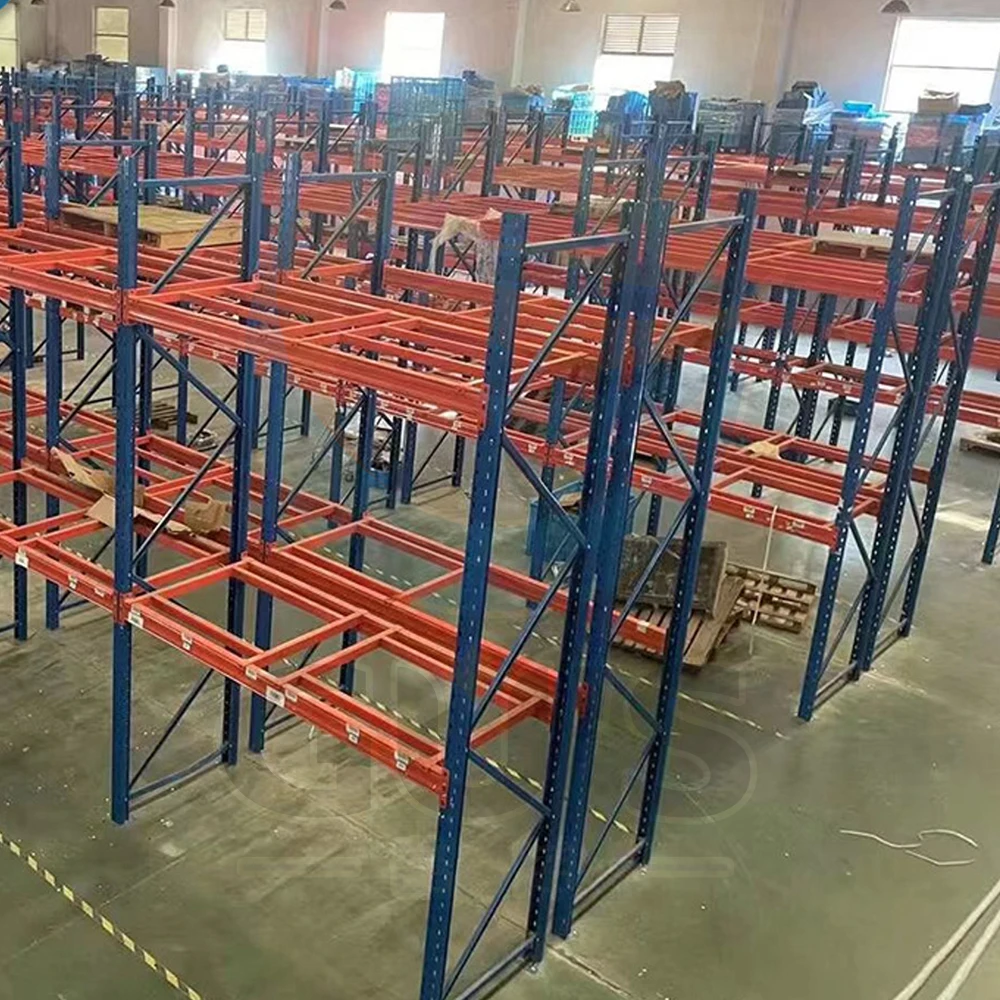
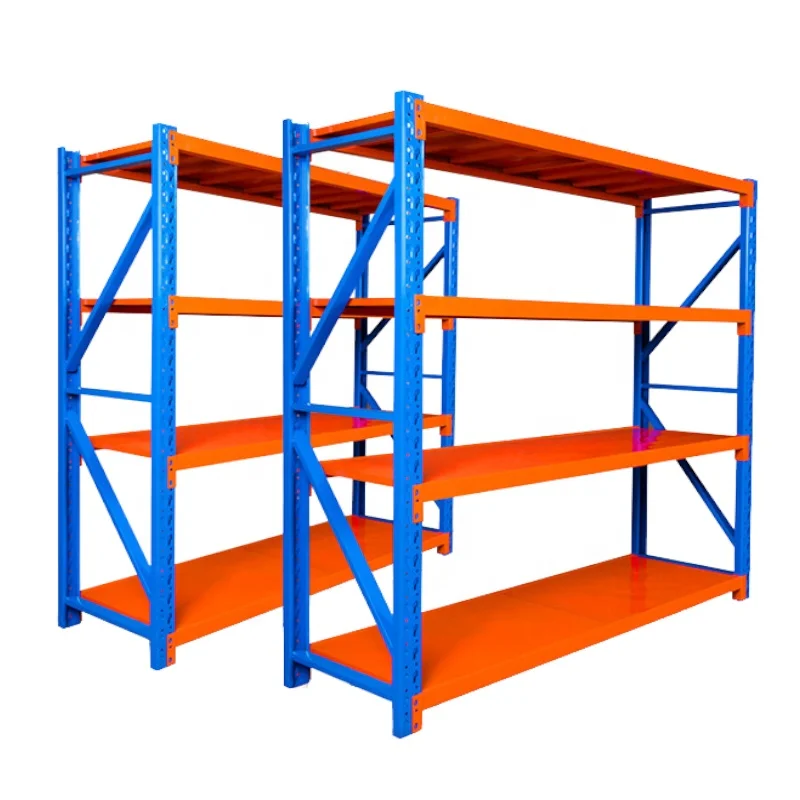
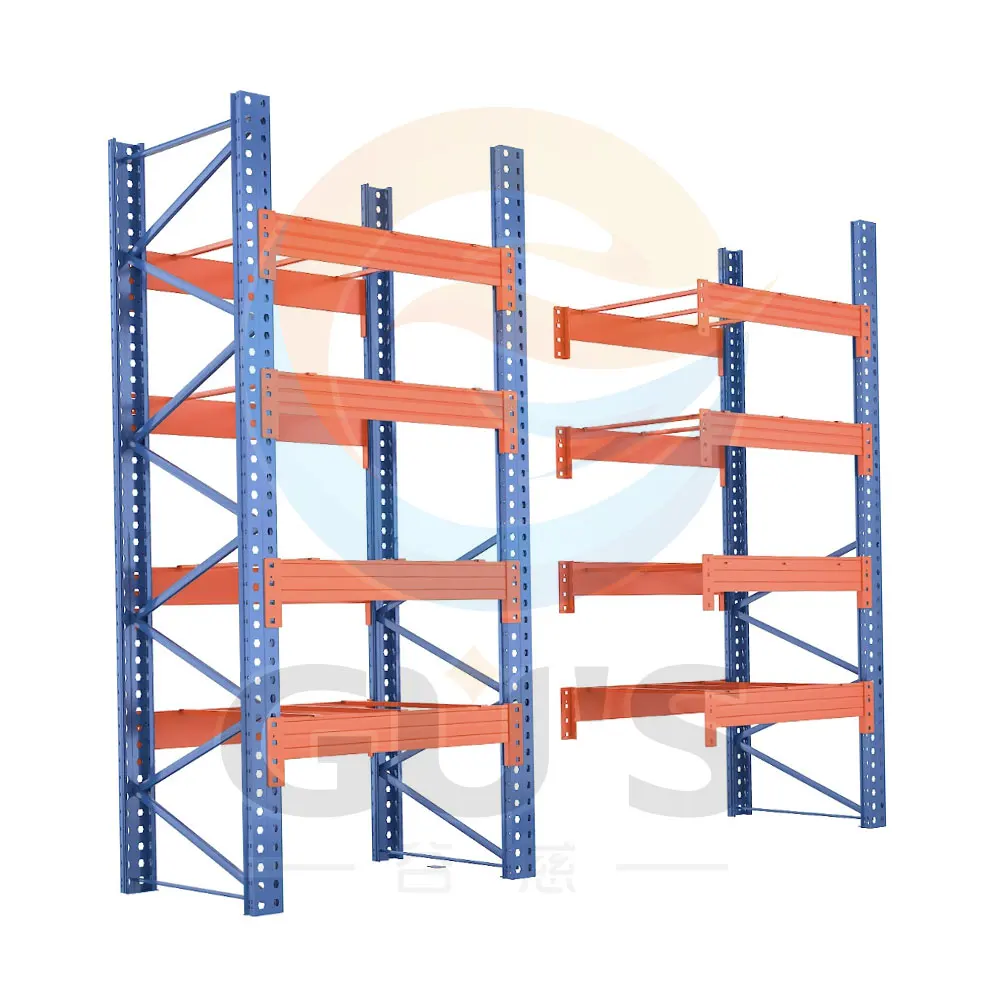
Selective pallet racking represents the most common and versatile warehouse pallet rack solution for facilities requiring direct access to every stored pallet. This configuration allows forklifts to access any pallet position without moving other pallets, making it ideal for operations with high inventory turnover rates. The system features adjustable beam levels that accommodate various pallet heights and weight requirements, providing maximum flexibility for diverse product storage needs. Selective racking typically utilizes standard warehouse space efficiently while maintaining excellent accessibility for inventory management and order fulfillment processes.
The structural design of selective warehouse pallet rack systems incorporates heavy-duty steel frames with horizontal load beams that distribute weight evenly across the entire structure. These systems can be configured as single-deep or double-deep arrangements, depending on storage density requirements and forklift accessibility constraints. Single-deep configurations offer maximum selectivity but lower storage density, while double-deep systems increase storage capacity at the expense of direct pallet accessibility. The choice between these configurations depends on inventory turnover patterns, product variety, and operational workflow requirements specific to each warehouse environment.
Drive-in and drive-through warehouse pallet rack systems maximize storage density by eliminating aisles between rack rows, allowing forklifts to drive directly into the racking structure to deposit and retrieve pallets. Drive-in systems feature a single entry point with last-in-first-out inventory rotation, making them suitable for storing large quantities of identical products with slower turnover rates. Drive-through configurations provide access points on both ends, enabling first-in-first-out inventory management and improved product rotation for time-sensitive merchandise.
These high-density warehouse pallet rack solutions require specialized rail systems and guide rails to support forklift operations within the rack structure. The design incorporates continuous rails that support pallets along their length, distributing weight across multiple support points for enhanced stability and load capacity. Proper rail alignment and structural reinforcement are critical for safe forklift navigation and preventing damage to both equipment and stored inventory. These systems typically achieve storage densities 75-85% higher than selective racking while maintaining reasonable accessibility for bulk storage applications.
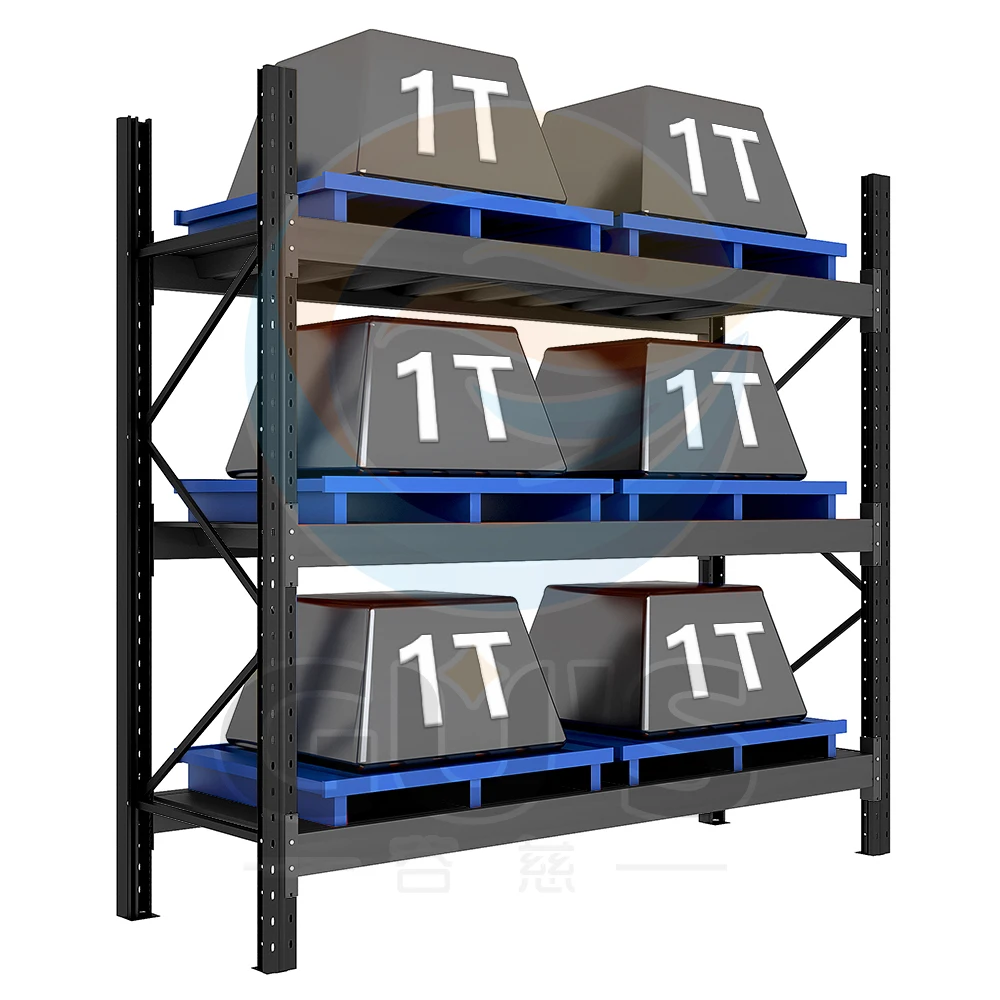
Determining appropriate load capacity for your warehouse pallet rack system requires comprehensive analysis of maximum anticipated loads, including pallet weight, product weight, and dynamic loading forces generated during forklift operations. Each rack component must be rated to handle specified loads with appropriate safety factors, ensuring structural integrity under normal and emergency operating conditions. Professional engineers should evaluate load distribution patterns, considering concentrated loads, uniform loads, and potential impact forces that may occur during daily warehouse operations.
The warehouse pallet rack load capacity calculation must account for various factors including beam deflection limits, frame capacity ratings, and foundation requirements. Overloading rack systems can result in catastrophic failures, endangering personnel and causing significant property damage and inventory losses. Regular load capacity assessments should be conducted whenever storage patterns change or new products are introduced to ensure continued compliance with safety standards and manufacturer specifications. Proper load distribution techniques help maximize storage capacity while maintaining safe operating conditions throughout the facility.
Warehouse pallet rack installations must comply with relevant industry standards and local building codes to ensure worker safety and regulatory compliance. The Rack Manufacturers Institute provides comprehensive guidelines for rack design, installation, and maintenance procedures that serve as industry benchmarks for safe operations. Regular safety inspections by qualified personnel help identify potential hazards, structural damage, or component wear that could compromise system integrity and worker safety.
Implementing comprehensive safety protocols for warehouse pallet rack operations includes establishing clear load limits, conducting regular training programs for equipment operators, and maintaining detailed inspection records. Safety features such as frame protectors, safety pins, and appropriate aisle widths help prevent accidents and equipment damage during normal warehouse operations. Emergency procedures should be established to address potential rack failures or damage incidents, ensuring rapid response and minimal disruption to warehouse operations while prioritizing personnel safety above all other considerations.
Effective warehouse pallet rack layout planning begins with comprehensive space utilization analysis to maximize storage capacity within existing facility constraints. This process involves measuring available floor space, ceiling heights, column locations, and door positions to determine optimal rack placement and configuration options. Professional layout designers consider traffic flow patterns, equipment turning radii, and safety clearance requirements to create efficient warehouse operations while maximizing storage density.
The analysis should evaluate current storage requirements and projected growth patterns to ensure the selected warehouse pallet rack system can accommodate future expansion needs. Factors such as seasonal inventory fluctuations, product mix changes, and operational workflow modifications should be incorporated into the planning process. Flexible rack configurations allow for future modifications without complete system replacement, providing long-term value and adaptability for evolving business requirements.
Determining appropriate aisle widths for warehouse pallet rack installations requires careful consideration of forklift specifications, operator skill levels, and safety requirements. Standard counterbalance forklifts typically require wider aisles than narrow-aisle or very narrow-aisle equipment, directly impacting overall storage density and facility efficiency. The selection of material handling equipment should be coordinated with rack layout planning to optimize the balance between storage capacity and operational accessibility.
Narrow-aisle warehouse pallet rack systems can increase storage density by up to 40% compared to wide-aisle configurations, but require specialized equipment such as reach trucks or order pickers with guidance systems. These systems often incorporate wire guidance or rail guidance systems to maintain precise equipment positioning and prevent rack damage during operation. The investment in specialized equipment and guidance systems must be weighed against the benefits of increased storage density and improved space utilization efficiency.
Proper warehouse pallet rack installation requires experienced professionals who understand structural requirements, safety protocols, and manufacturer specifications. The installation process begins with accurate floor preparation, including leveling, anchor point placement, and structural reinforcement as needed to support anticipated loads. Certified installers ensure proper assembly sequences, connection torque specifications, and alignment tolerances that are critical for safe and reliable rack performance.
Quality control measures during warehouse pallet rack installation include dimensional verification, plumb and level checks, and comprehensive safety inspections before system commissioning. Professional installers provide documentation including load capacity certificates, installation compliance reports, and maintenance recommendations to ensure ongoing system performance and regulatory compliance. Proper installation techniques prevent common problems such as frame distortion, beam misalignment, and inadequate anchoring that can compromise system integrity and safety.
Regular maintenance programs for warehouse pallet rack systems help prevent costly failures, extend equipment life, and maintain safe operating conditions. Inspection protocols should include monthly visual checks by warehouse personnel and annual comprehensive inspections by qualified rack specialists. These inspections evaluate structural integrity, component wear, damage from forklift impacts, and compliance with load capacity requirements throughout the facility.
Maintenance activities for warehouse pallet rack systems include tightening connection hardware, replacing damaged components, and updating load capacity placards as needed. Documentation of inspection findings and maintenance activities provides valuable data for tracking system performance and planning future upgrades or replacements. Proactive maintenance approaches help identify potential problems before they result in safety hazards or operational disruptions, ensuring continued reliable performance and regulatory compliance.
The initial cost of warehouse pallet rack systems varies significantly based on configuration complexity, load capacity requirements, and installation specifications. Basic selective racking systems typically represent the most cost-effective solution for general storage applications, while specialized high-density systems require higher upfront investments but offer greater long-term storage efficiency. Cost analysis should include rack components, installation services, material handling equipment modifications, and facility preparation requirements for accurate budget planning.
Comprehensive cost evaluation for warehouse pallet rack investments should consider long-term operational benefits including increased storage capacity, improved inventory accuracy, and reduced labor costs. The payback period for rack system investments typically ranges from 12 to 36 months, depending on storage density improvements and operational efficiency gains achieved through proper system selection and implementation. Professional cost-benefit analysis helps justify investment decisions and optimize system specifications for maximum return on investment.
Well-designed warehouse pallet rack systems provide substantial long-term value through improved inventory management, reduced product damage, and enhanced operational efficiency. These systems enable better space utilization, allowing facilities to store more inventory without expanding building footprint or relocating to larger facilities. Improved organization and accessibility reduce picking times, increase accuracy rates, and enhance overall warehouse productivity metrics.
The durability and adaptability of quality warehouse pallet rack systems ensure continued value over extended service life, typically 15-20 years with proper maintenance. Modular designs allow for future reconfiguration and expansion without complete system replacement, protecting initial investments while accommodating changing business requirements. Regular performance monitoring and optimization help maximize these benefits while identifying opportunities for further improvements and operational enhancements.
Load capacity determination for warehouse pallet rack systems depends on several critical factors including maximum pallet weight, product density, beam span length, and safety factors required by applicable codes. Professional engineers evaluate these factors along with dynamic loading forces from forklift operations to establish safe working load limits. Regular load assessments ensure continued compliance as storage patterns and product types change over time.
The choice between selective and high-density warehouse pallet rack systems depends on your inventory characteristics, turnover rates, and accessibility requirements. Selective systems offer maximum flexibility and direct access to every pallet but provide lower storage density. High-density systems like drive-in or push-back racking maximize storage capacity for bulk items with slower turnover rates but limit direct pallet accessibility.
Regular maintenance for warehouse pallet rack systems includes monthly visual inspections by warehouse staff and annual comprehensive inspections by qualified professionals. Maintenance activities involve checking for damage, loose connections, proper load distribution, and compliance with capacity limits. Prompt repair of damaged components and documentation of inspection findings help ensure continued safe operation and regulatory compliance.
Maximizing storage density with warehouse pallet rack systems requires careful balance between space utilization and safety requirements. Consider narrow-aisle configurations with appropriate material handling equipment, optimize vertical space usage within ceiling height constraints, and implement proper load distribution techniques. Regular training for equipment operators and maintaining clear safety protocols help achieve high storage density while preventing accidents and equipment damage.

Be the first to get our latest styles and offers.
No.11 plant of Jiawei Enterprise,Longyou Industrial Park,Longyou County,Quzhou City,Zhejiang Province Post code: 324407
Copyright © 2026 Guci Cross Border E-Commerce (Quzhou City) Co., Ltd. All rights reserved. - Privacy Policy
 EN
EN
 Hot News