
Modern warehouses face increasing pressure to maximize storage efficiency while maintaining operational flexibility and cost-effectiveness. The strategic implementation of warehouse pallet racks has emerged as a cornerstone solution for businesses seeking to optimize their storage capabilities and streamline inventory management processes. These versatile storage systems offer comprehensive benefits that extend far beyond simple space utilization, fundamentally transforming how organizations approach their warehousing operations.
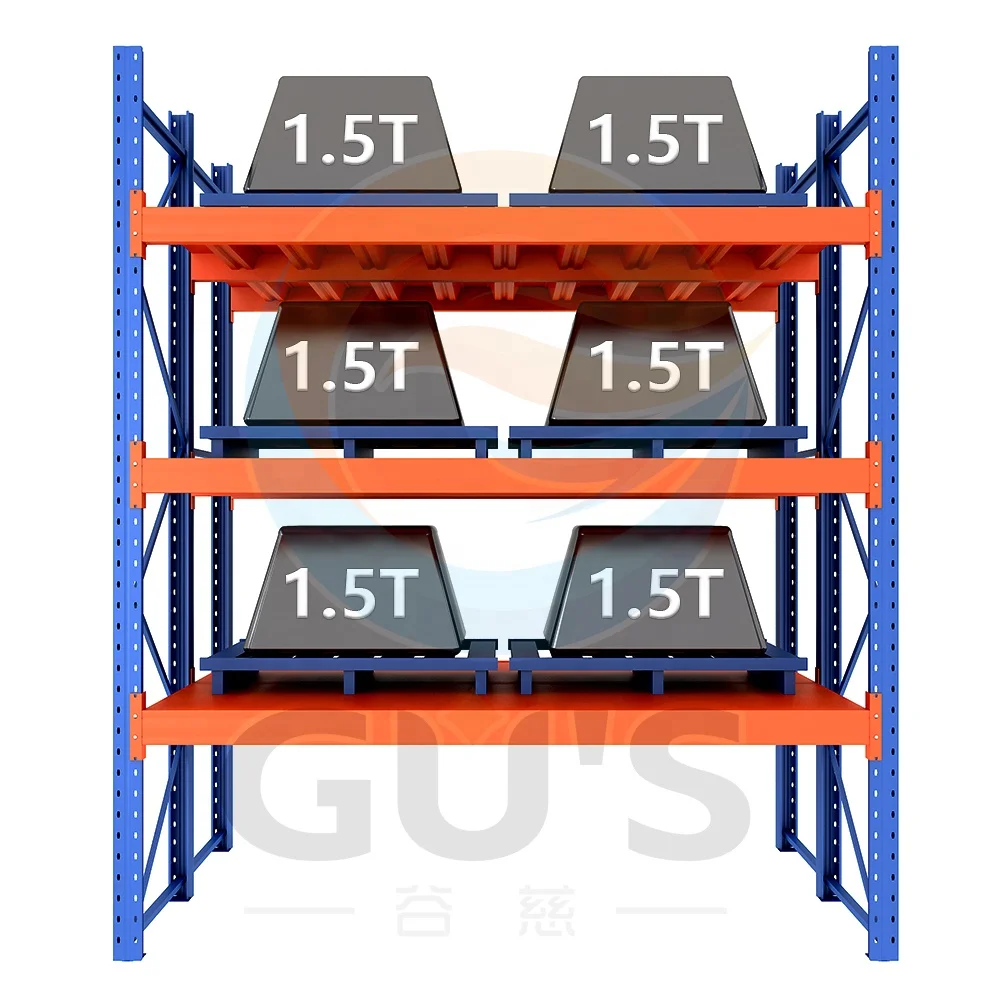
The evolution of storage technology has positioned warehouse pallet racks as essential infrastructure for businesses across diverse industries. From manufacturing facilities to distribution centers, these robust systems provide the structural foundation necessary to support high-density storage while facilitating efficient material handling workflows. Understanding the multifaceted advantages of warehouse pallet racks enables organizations to make informed decisions about their storage investments and operational strategies.
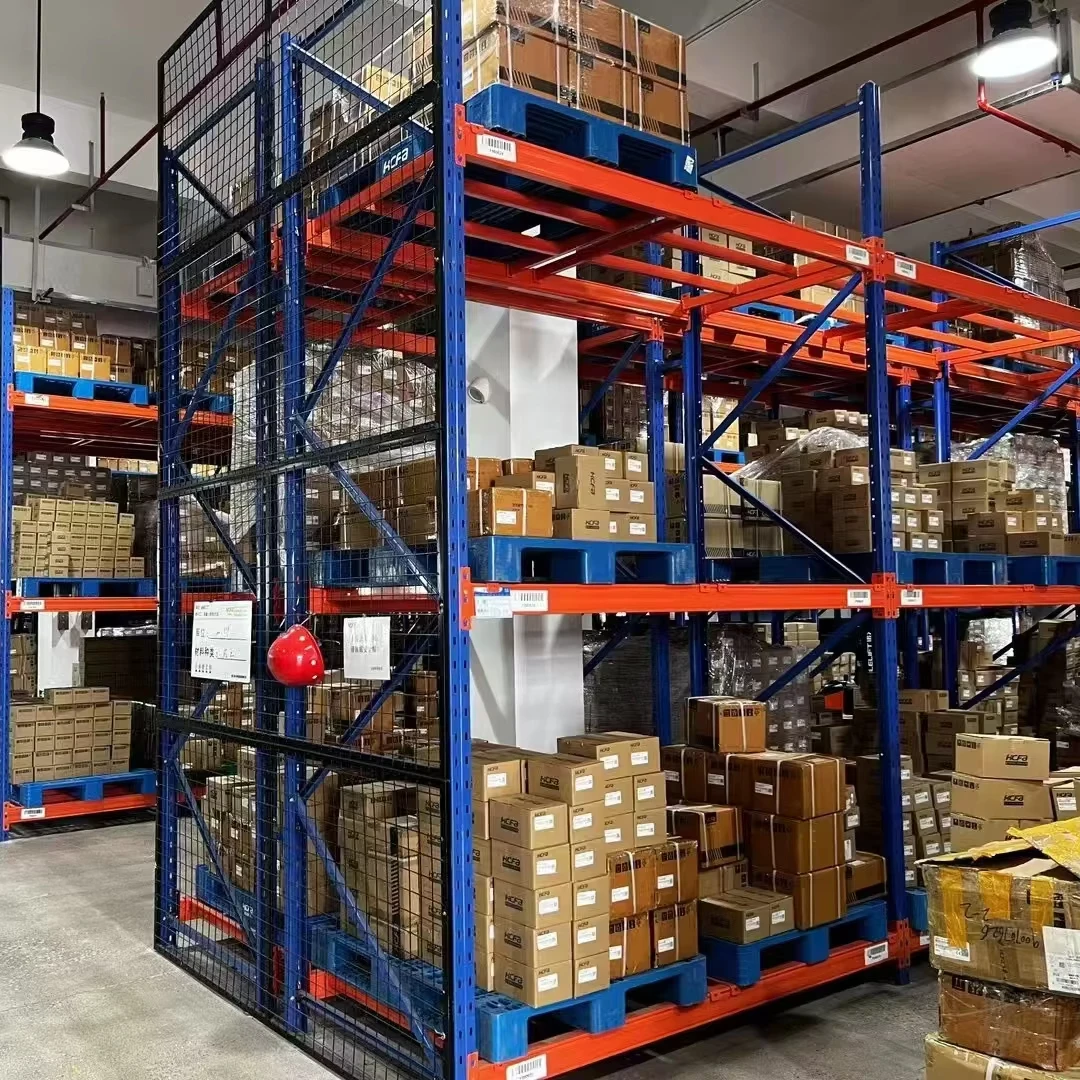
Warehouse pallet racks excel at transforming underutilized vertical space into valuable storage real estate, dramatically increasing the storage capacity within existing facility footprints. Traditional floor-level storage methods leave substantial cubic space unused, whereas pallet racking systems extend storage capabilities upward to near-ceiling heights. This vertical expansion approach allows businesses to store significantly more inventory without requiring costly facility expansions or relocations to larger premises.
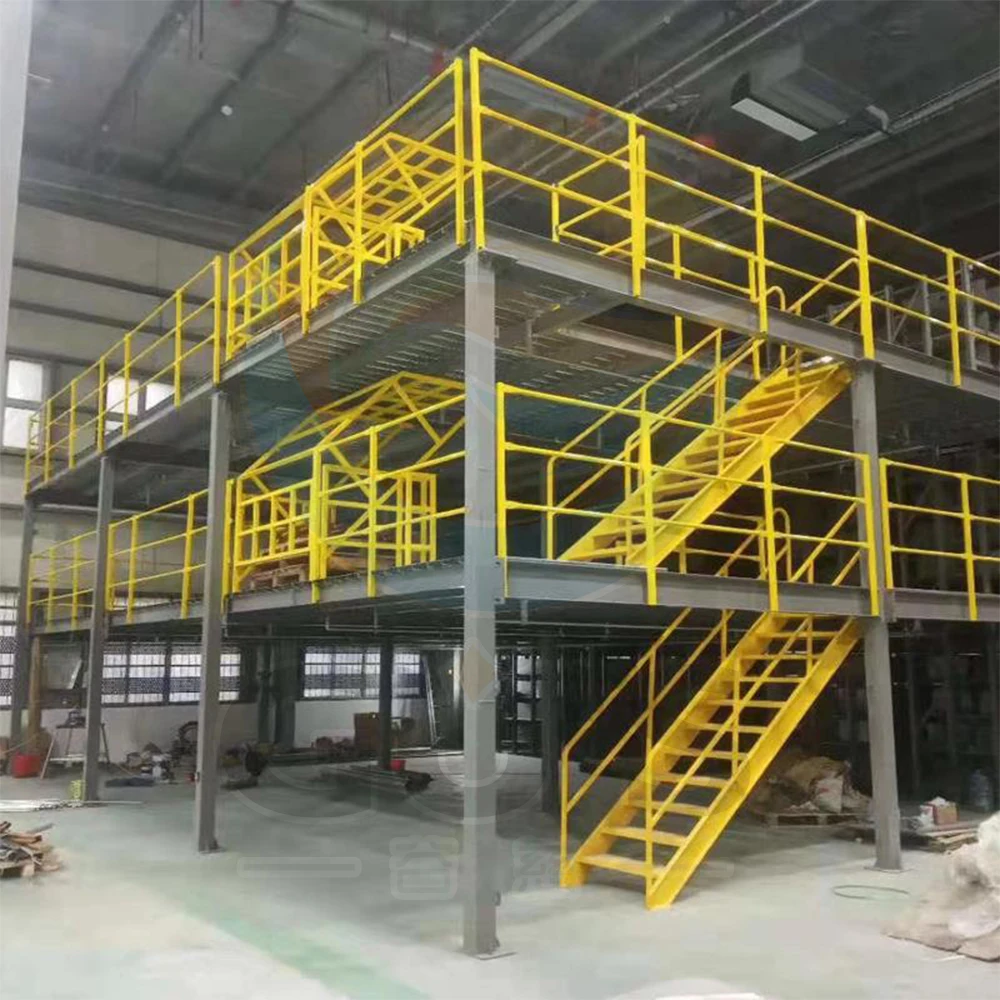
The implementation of multi-level warehouse pallet racks can multiply storage capacity by factors of three to five compared to ground-level storage alone. Modern racking systems accommodate various load capacities and product types while maintaining structural integrity at impressive heights. This vertical utilization strategy proves particularly valuable in urban environments where real estate costs are premium and expansion opportunities are limited.
Beyond vertical expansion, warehouse pallet racks optimize horizontal floor space through systematic organization and standardized storage configurations. These systems create clearly defined storage zones that eliminate wasted space between irregularly shaped inventory piles. The standardized pallet dimensions work in harmony with racking configurations to minimize gaps and maximize space efficiency across the entire warehouse floor.
Strategic aisle planning within pallet racking layouts ensures optimal balance between storage density and equipment accessibility. Narrow aisle configurations enabled by specialized handling equipment can achieve storage densities approaching 85-90% of available floor space while maintaining operational efficiency. This systematic approach to space management generates substantial cost savings by maximizing storage capacity within existing facilities.
Warehouse pallet racks facilitate sophisticated inventory management through systematic product placement and identification protocols. Each storage position within the racking system can be assigned unique location codes that integrate seamlessly with warehouse management systems for precise inventory tracking. This organizational structure eliminates the confusion and inefficiencies associated with unstructured storage methods where products become difficult to locate or track accurately.
The standardized nature of warehouse pallet racks enables implementation of first-in-first-out rotation strategies that are crucial for managing perishable goods or time-sensitive inventory. Clear sight lines and accessible storage positions allow warehouse personnel to quickly assess inventory levels and identify items approaching expiration dates or requiring immediate attention.
The structured layout provided by warehouse pallet racks significantly improves order picking efficiency through optimized travel paths and reduced search times. Workers can navigate predetermined routes through clearly defined aisles rather than wandering through disorganized storage areas searching for specific items. This systematic approach reduces picking errors while increasing throughput rates and overall productivity levels.
Replenishment activities benefit from the accessibility features inherent in pallet racking designs. Forklift operators can efficiently access storage positions at various heights using standard material handling equipment, enabling rapid inventory replenishment without disrupting ongoing operations. The ability to store reserve inventory in upper rack positions while maintaining active picking inventory at accessible levels creates an efficient multi-tier inventory management system.
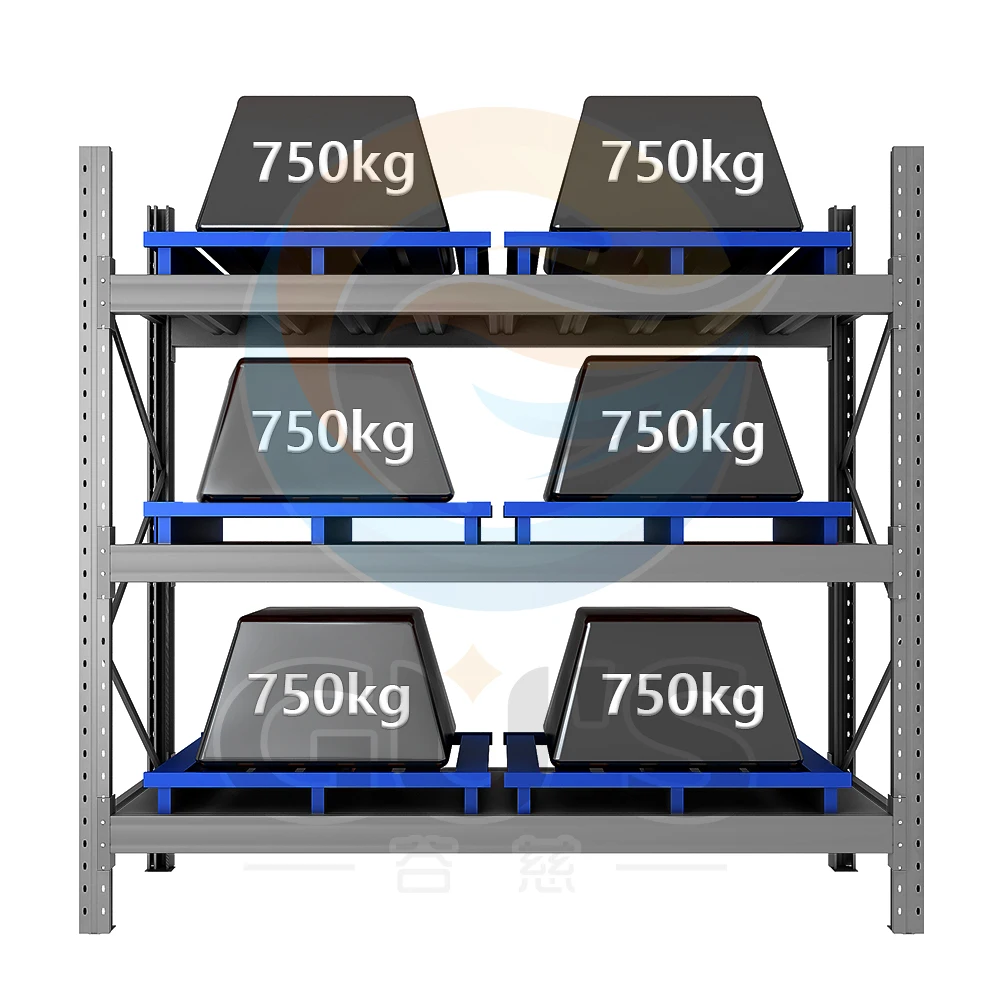
Professional-grade warehouse pallet racks incorporate engineered load distribution systems that significantly reduce the risk of structural failures or inventory damage. These systems distribute weight loads across multiple support points, preventing concentrated stress that could lead to catastrophic collapses. Proper installation and regular inspection of warehouse pallet racks create a safer working environment while protecting valuable inventory investments.
The standardized design of modern pallet racking systems includes built-in safety features such as safety pins, beam locks, and impact-resistant components. These safety mechanisms prevent accidental dislodging of storage beams and provide additional security for stored materials. Regular maintenance protocols for warehouse pallet racks ensure ongoing structural integrity and identify potential issues before they develop into safety hazards.
The organized structure provided by warehouse pallet racks substantially reduces workplace accident risks by eliminating unstable inventory stacks and creating clear traffic patterns for both personnel and equipment. Workers no longer need to climb on unstable product piles or navigate through cluttered storage areas, significantly reducing slip, trip, and fall incidents that are common in poorly organized warehouses.
Material handling equipment operates more safely within the defined pathways and storage zones created by warehouse pallet racks. Forklift operators enjoy improved visibility and standardized operating procedures when working with racked inventory compared to ground-level pile storage. This controlled environment reduces the likelihood of equipment-related accidents while improving overall operational safety standards throughout the facility.
The space optimization capabilities of warehouse pallet racks generate substantial cost savings by deferring or eliminating the need for facility expansions or relocations. Organizations can accommodate growing inventory requirements within existing facilities rather than investing in additional real estate or construction projects. This approach provides immediate cost benefits while maintaining operational continuity during growth phases.
Operational efficiency improvements achieved through warehouse pallet racks translate into reduced labor costs and improved productivity metrics. Faster picking times, reduced inventory handling, and streamlined replenishment processes allow organizations to accomplish more work with existing staff levels. These efficiency gains compound over time to deliver significant operational cost reductions that justify the initial racking system investment.
Quality warehouse pallet racks represent durable capital investments that provide decades of reliable service with proper maintenance. Unlike temporary storage solutions or makeshift arrangements, professional racking systems maintain their structural integrity and functionality over extended periods. This longevity ensures that organizations realize maximum return on their storage infrastructure investments while maintaining consistent operational capabilities.
The modular design characteristics of warehouse pallet racks provide flexibility for future modifications and expansions as business requirements evolve. Components can be reconfigured, relocated, or expanded without requiring complete system replacements, protecting the initial investment while accommodating changing operational needs. This adaptability ensures that racking systems remain valuable assets throughout their operational lifespan.
The inherent modularity of warehouse pallet racks enables organizations to customize storage configurations based on specific product characteristics and operational requirements. Different beam heights, bay widths, and load capacities can be combined within single installations to accommodate diverse inventory profiles. This flexibility allows businesses to optimize storage efficiency for their unique product mix while maintaining systematic organization throughout the facility.
Seasonal variations in inventory levels or product mix changes can be accommodated through reconfiguration of existing warehouse pallet racks rather than investing in entirely new storage solutions. The standardized components and connection systems enable relatively simple modifications that adapt to changing business requirements without disrupting ongoing operations or requiring significant capital investments.
Modern warehouse pallet racks integrate seamlessly with automated storage and retrieval systems, conveyor networks, and warehouse management technologies. This compatibility enables organizations to implement sophisticated automation solutions that further enhance operational efficiency and accuracy. The structural stability and precise dimensional tolerances of quality racking systems provide the foundation necessary for successful automation implementations.
Technology integration capabilities extend to inventory tracking systems, environmental monitoring, and predictive maintenance applications. Sensors and monitoring devices can be incorporated into warehouse pallet racks to provide real-time visibility into inventory levels, structural conditions, and environmental factors. This technological enhancement transforms basic storage systems into intelligent warehouse infrastructure that supports advanced operational strategies.
Key selection factors include load capacity requirements, ceiling height limitations, product dimensions and weights, material handling equipment specifications, and future expansion plans. The facility's structural capabilities, local building codes, and seismic requirements also influence racking system selection. Professional assessment by qualified engineers ensures optimal system design that meets both current needs and future growth requirements while maintaining safety compliance.
Warehouse pallet racks typically offer superior long-term cost-effectiveness compared to alternative storage methods due to their space optimization capabilities, durability, and operational efficiency benefits. While initial investment costs may be higher than basic shelving or floor storage, the increased storage density and improved productivity quickly offset these costs. The extended lifespan and reconfiguration capabilities provide additional value that temporary or fixed storage solutions cannot match.
Regular maintenance includes visual inspections for damage or wear, checking beam connections and safety locks, ensuring proper load distribution, and maintaining clear aisles and safety clearances. Professional structural inspections should be conducted annually or after any significant impact events. Proper maintenance protocols extend system lifespan while ensuring ongoing safety compliance and optimal performance throughout the operational period.
Most quality warehouse pallet racks feature modular designs that accommodate modifications, expansions, and reconfigurations as business needs evolve. Additional bays, height extensions, and capacity upgrades can often be implemented using compatible components from the original manufacturer. However, structural analysis may be required to ensure that modifications maintain appropriate safety factors and compliance with current building codes and safety standards.

Be the first to get our latest styles and offers.
No.11 plant of Jiawei Enterprise,Longyou Industrial Park,Longyou County,Quzhou City,Zhejiang Province Post code: 324407
Copyright © 2026 Guci Cross Border E-Commerce (Quzhou City) Co., Ltd. All rights reserved. - Privacy Policy
 EN
EN
 Hot News