
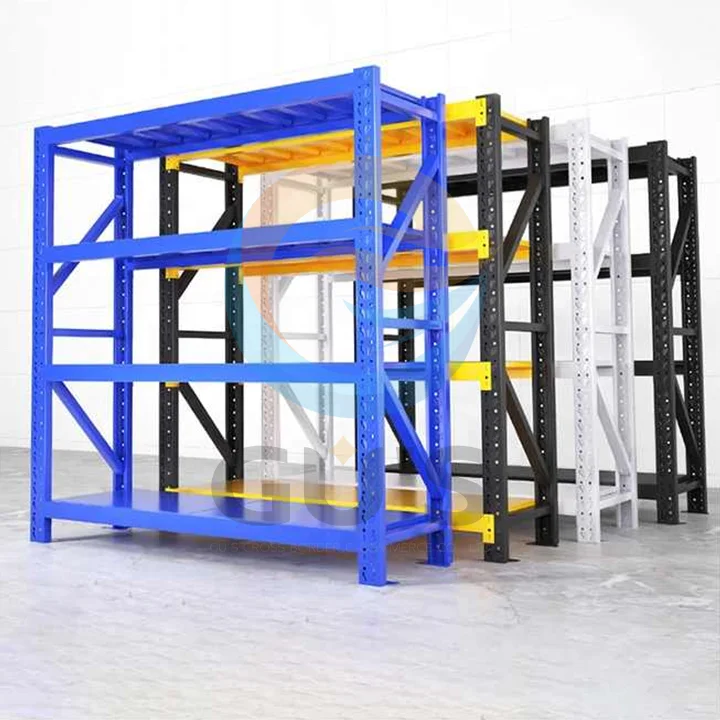
Stacking racks represent one of the most versatile and cost-effective storage solutions available to modern warehouses and distribution centers. These innovative storage systems offer a unique combination of flexibility, durability, and space optimization that addresses the evolving challenges of warehouse management. Understanding the key advantages of stacking racks becomes essential for facility managers seeking to maximize their storage capacity while maintaining operational efficiency and cost control.
The strategic implementation of stacking racks transforms warehouse operations by providing modular storage capabilities that adapt to changing inventory requirements. Unlike fixed shelving systems, stacking racks deliver exceptional value through their ability to reconfigure storage layouts without requiring permanent modifications to warehouse infrastructure. This adaptability, combined with their robust construction and space-saving design, positions stacking racks as an indispensable asset for warehouses across diverse industries.
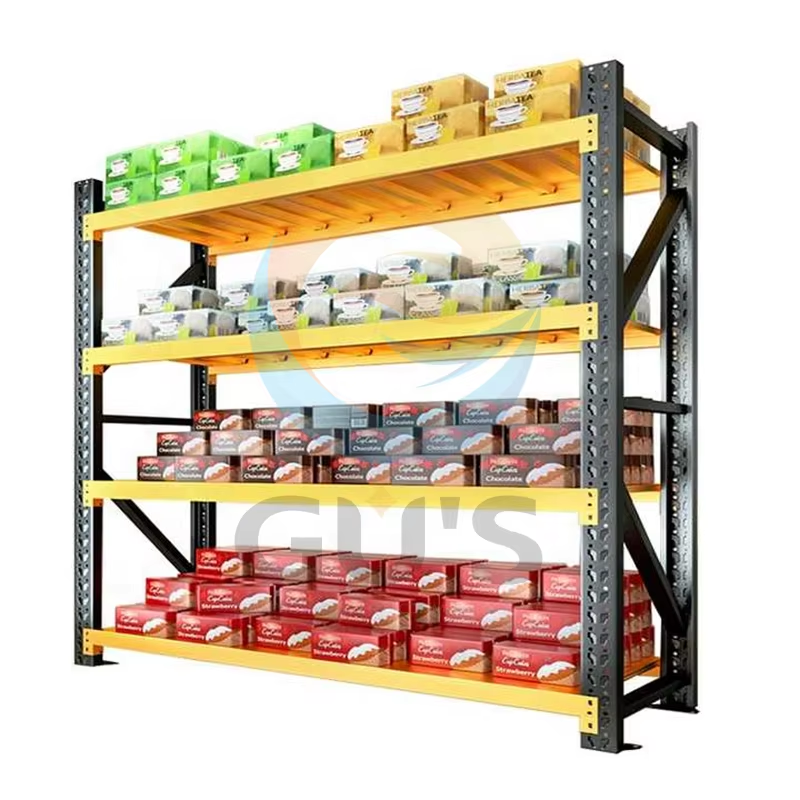
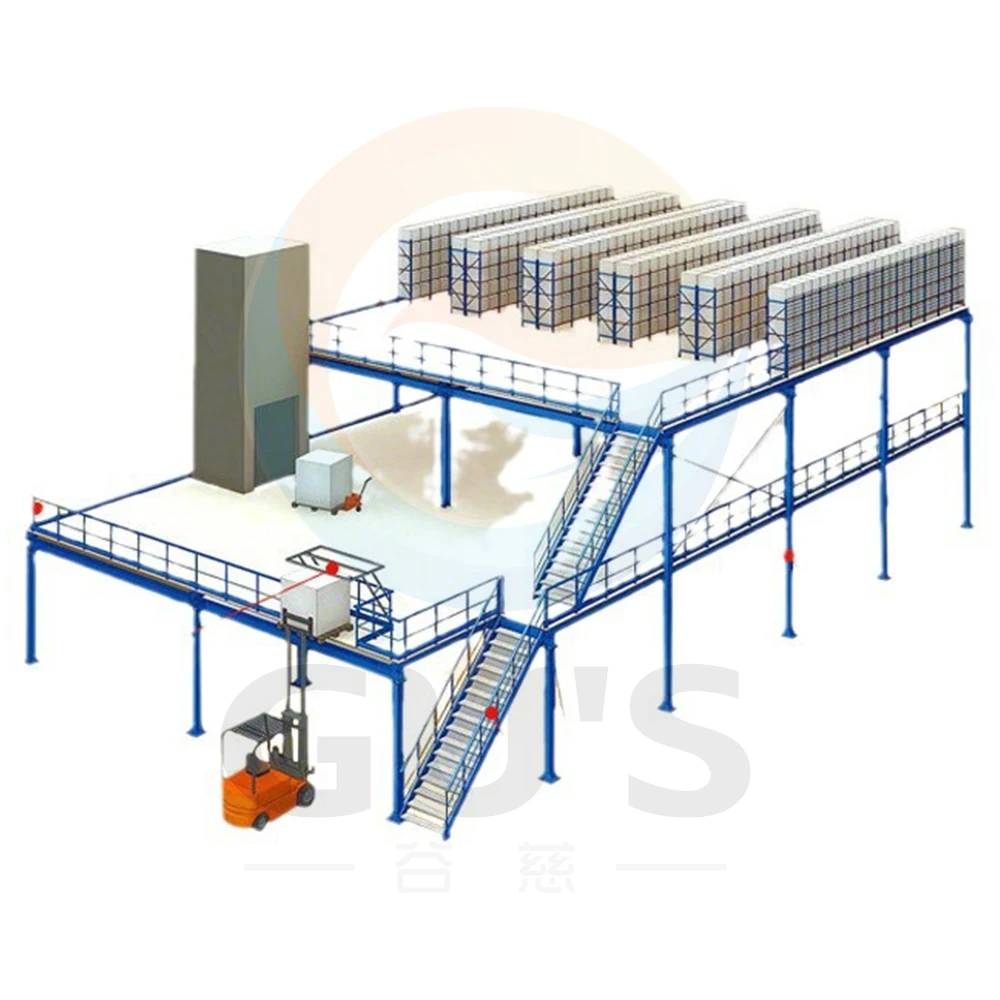
Stacking racks excel at maximizing available warehouse space through their efficient vertical storage design. These systems allow warehouses to utilize height more effectively, creating additional storage levels without expanding the facility footprint. The modular nature of stacking racks enables warehouse managers to build storage configurations that reach optimal heights while maintaining safe working conditions and accessibility requirements.
The space-saving advantages of stacking racks become particularly evident when compared to traditional storage methods. By eliminating the need for permanent aisles between storage units, these systems can increase storage density by up to 40% compared to conventional pallet racking. This increased density translates directly into higher inventory capacity and improved warehouse throughput without requiring additional real estate investment.
Modern stacking racks offer adjustable height configurations that accommodate various product sizes and seasonal inventory fluctuations. This flexibility allows warehouses to optimize storage for different product categories simultaneously, from small components to bulky items. The ability to adjust rack heights quickly enables rapid response to changing inventory requirements without disrupting ongoing operations.
The vertical adaptability of stacking racks supports efficient warehouse zoning strategies, where different areas can be configured for specific product types or handling requirements. This zoning capability improves picking efficiency and reduces travel time for warehouse personnel, contributing to overall operational productivity improvements.
Stacking racks provide significant cost advantages over traditional warehouse storage systems through their lower initial investment requirements. The modular design eliminates the need for complex installation procedures and specialized equipment, reducing both material costs and installation expenses. This cost-effectiveness makes stacking racks an attractive option for businesses seeking to improve storage capacity while managing capital expenditure constraints.
The economic benefits extend beyond initial purchase costs, as stacking racks typically require minimal ongoing maintenance compared to more complex storage systems. Their robust construction and simple mechanical design result in lower maintenance requirements and reduced downtime, contributing to improved total cost of ownership over the system's operational life.
Implementation of stacking racks generates rapid return on investment through multiple efficiency improvements across warehouse operations. The increased storage density reduces the need for additional warehouse space, avoiding costly facility expansion or leasing of additional storage locations. This space efficiency directly impacts operational costs and contributes to improved profit margins.
The operational efficiency gains from stacking racks include reduced handling time, improved inventory accessibility, and enhanced picking accuracy. These improvements translate into measurable cost savings through reduced labor requirements and improved order fulfillment speed, often generating payback periods of less than 18 months for typical warehouse implementations.
The modular design of stacking racks provides unparalleled operational flexibility, allowing warehouses to reconfigure storage layouts quickly in response to changing business requirements. This adaptability proves invaluable for facilities handling seasonal products, promotional inventory, or diverse product lines with varying storage needs. The ability to modify configurations without permanent infrastructure changes reduces disruption and maintains operational continuity.
Stacking racks support dynamic warehouse management strategies by enabling rapid response to market demands and inventory fluctuations. When business requirements change, these systems can be easily relocated, expanded, or reconfigured to optimize storage for new product categories or operational workflows. This flexibility reduces the risk of obsolescence and ensures long-term value from storage system investments.
The versatility of stacking racks extends their utility across multiple storage applications within the same facility. These systems effectively handle diverse product types, from lightweight components to heavy industrial materials, through appropriate load rating selection and configuration adjustments. This multi-purpose capability eliminates the need for multiple specialized storage systems and simplifies warehouse management.
Stacking racks adapt to various operational requirements, including temporary storage for peak seasons, work-in-process inventory management, and finished goods storage. This versatility makes them particularly valuable for facilities with diverse operational needs or those experiencing rapid growth and changing requirements.
Stacking racks incorporate design features that prioritize worker safety while maintaining operational efficiency. The stable construction and secure stacking mechanisms reduce the risk of collapse or shifting loads, creating a safer working environment for warehouse personnel. These safety features include reinforced corners, secure interlocking systems, and load distribution designs that maintain stability under various loading conditions.
The open design of stacking racks improves visibility throughout the storage area, allowing workers to identify potential hazards and navigate safely around equipment and inventory. This improved visibility contributes to reduced accident rates and enhanced overall warehouse safety performance, supporting compliance with occupational safety regulations and reducing liability concerns.
Stacking racks facilitate better inventory accessibility through their open-access design and adjustable configuration options. Unlike enclosed storage systems, stacking racks provide clear visibility of stored items and enable easy access from multiple directions. This accessibility improves inventory management accuracy and reduces the time required for stock verification and cycle counting procedures.
The improved accessibility of stacking racks supports more efficient picking operations and reduces the physical strain on warehouse workers. The ability to access items at appropriate working heights and from multiple angles reduces the need for excessive lifting, reaching, or climbing, contributing to improved worker productivity and reduced injury risk.
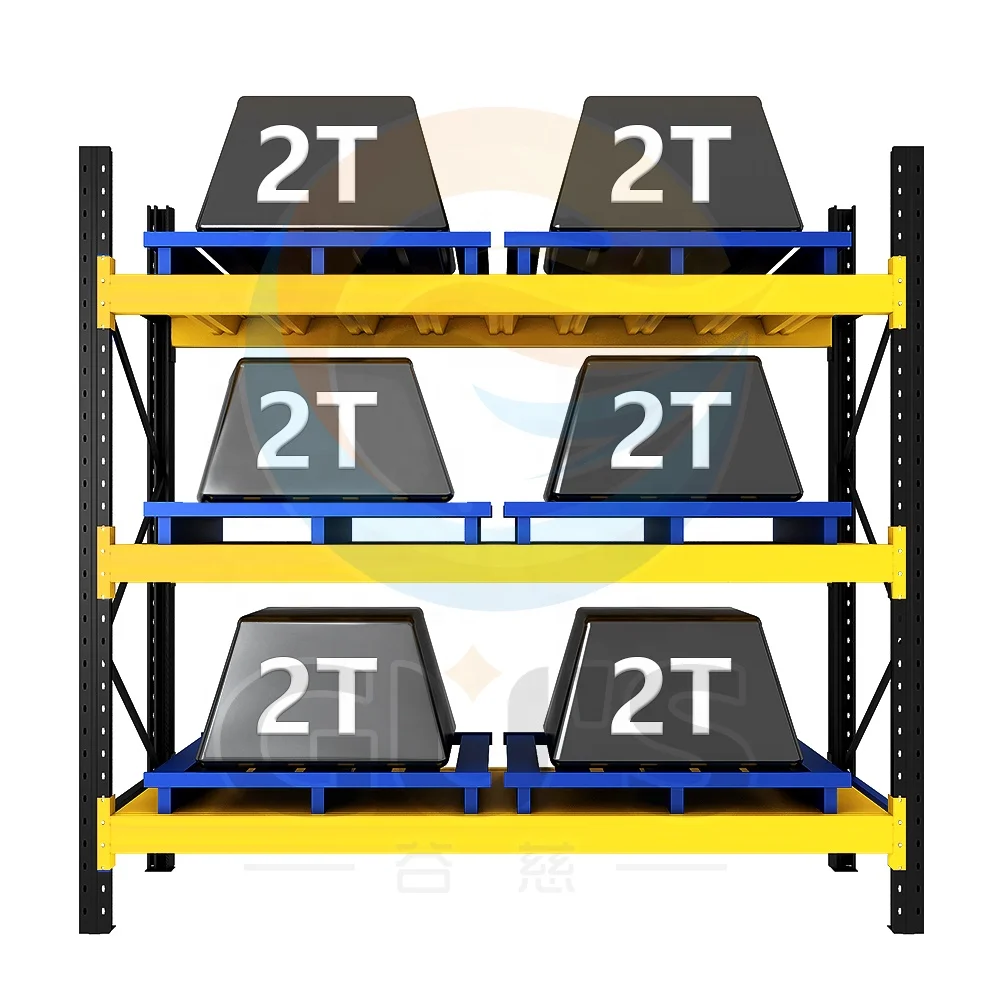
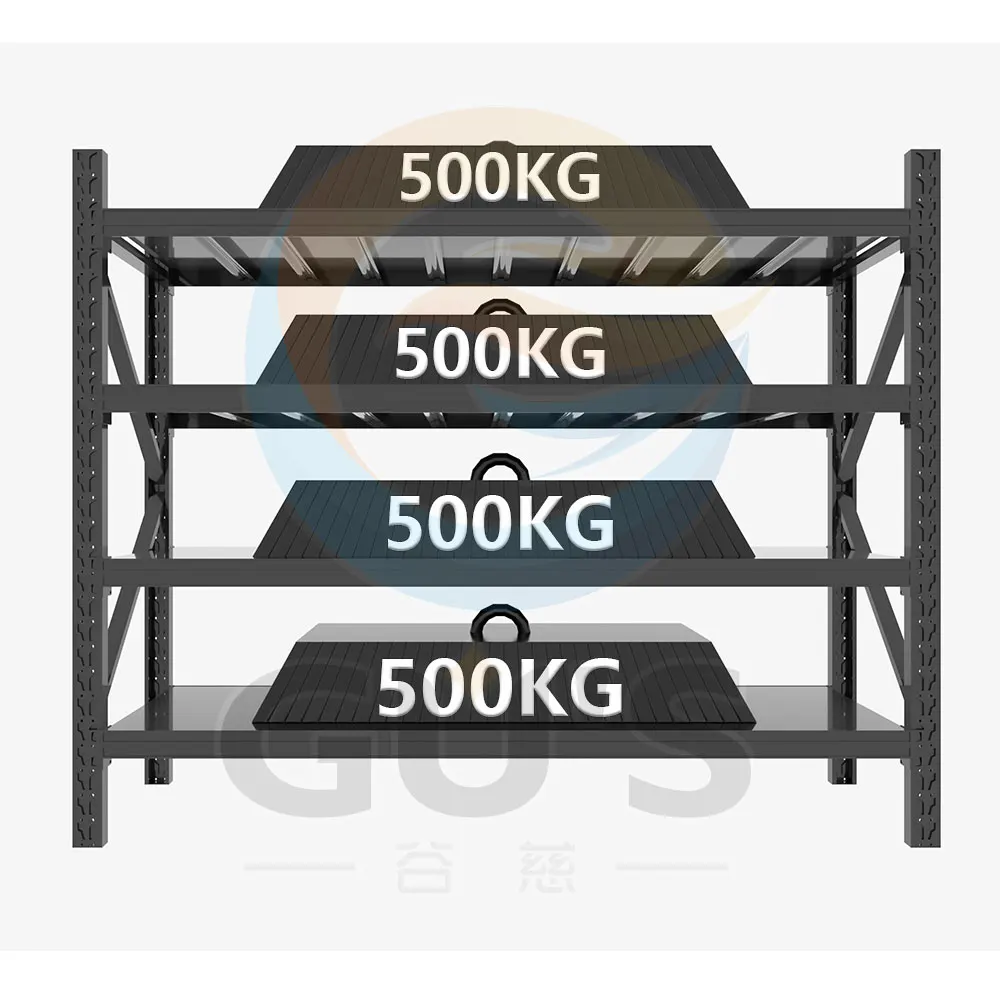
Most industrial stacking racks support weight capacities ranging from 500kg to 2000kg per level, depending on their construction and design specifications. Heavy-duty models can accommodate even higher loads, with some systems supporting up to 5000kg per rack when properly configured and installed on appropriate flooring surfaces.
Stacking racks can typically be assembled and ready for use within 2-4 hours for standard configurations, depending on size and complexity. Reconfiguration of existing systems usually takes even less time, often completed within 1-2 hours, making them ideal for dynamic warehouse environments that require frequent layout changes.
Yes, stacking racks integrate well with automated warehouse systems including automated guided vehicles, conveyor systems, and robotic picking equipment. Their standardized dimensions and stable construction make them compatible with most automation technologies, while their modular design allows for easy integration into existing automated workflows.
Stacking racks require minimal maintenance, typically involving periodic visual inspections for damage, cleaning to prevent debris buildup, and occasional tightening of connection points. Most systems require only quarterly inspections and annual comprehensive safety checks, making them one of the most low-maintenance storage solutions available for warehouse operations.

Be the first to get our latest styles and offers.
No.11 plant of Jiawei Enterprise,Longyou Industrial Park,Longyou County,Quzhou City,Zhejiang Province Post code: 324407
Copyright © 2026 Guci Cross Border E-Commerce (Quzhou City) Co., Ltd. All rights reserved. - Privacy Policy
 EN
EN
 Hot News