
In today's competitive warehouse and industrial environments, maximizing storage capacity while controlling costs has become a critical challenge for businesses of all sizes. Traditional expansion methods often involve costly building extensions or relocating to larger facilities, both of which can significantly impact operational budgets. A mezzanine rack system offers an innovative alternative that transforms underutilized vertical space into valuable storage areas without the need for major construction projects. This versatile storage solution has gained widespread adoption across industries due to its ability to double or even triple storage capacity within existing footprints while maintaining operational efficiency and safety standards.
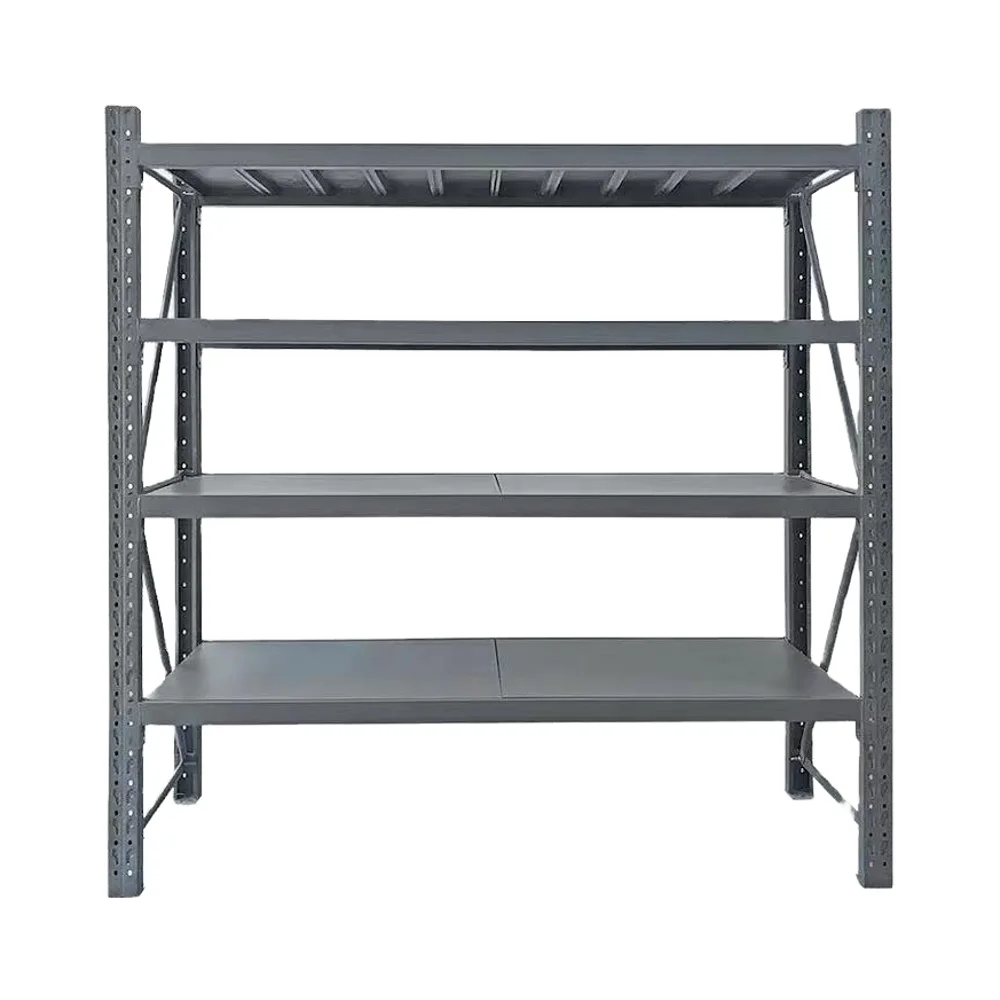
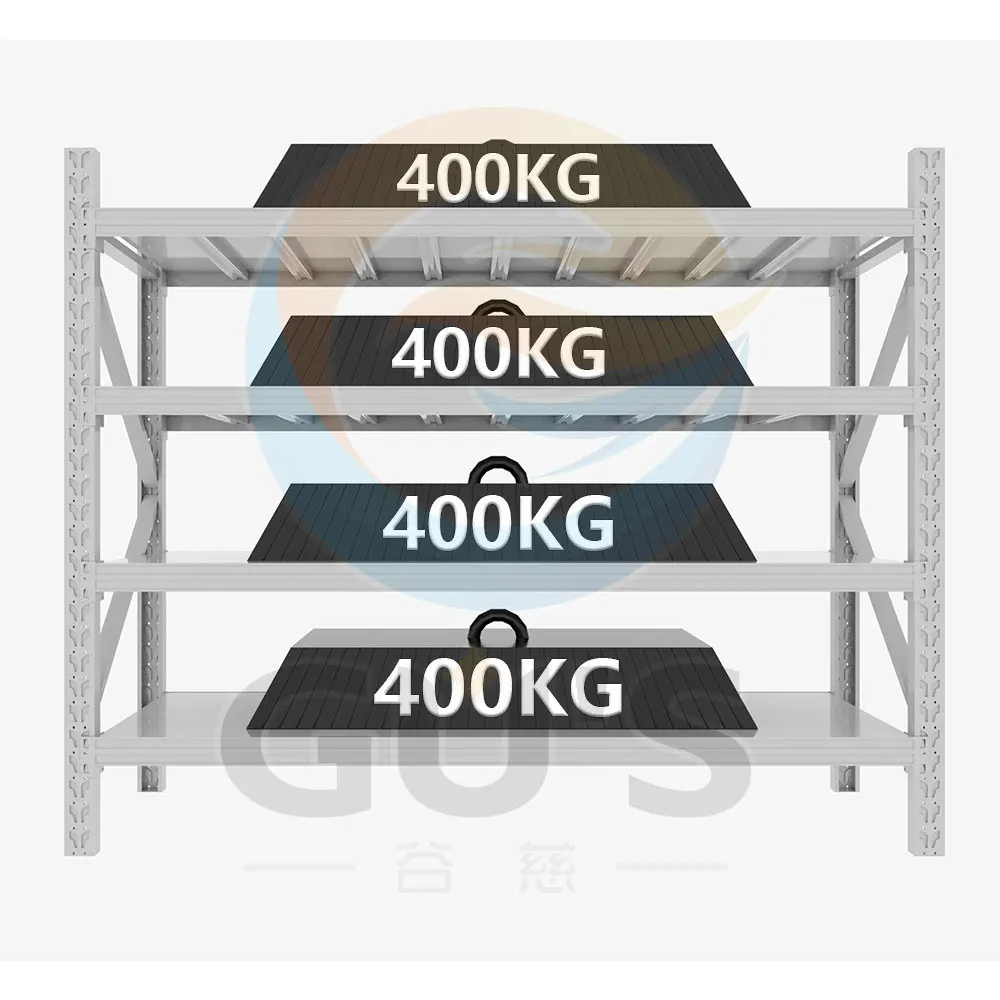
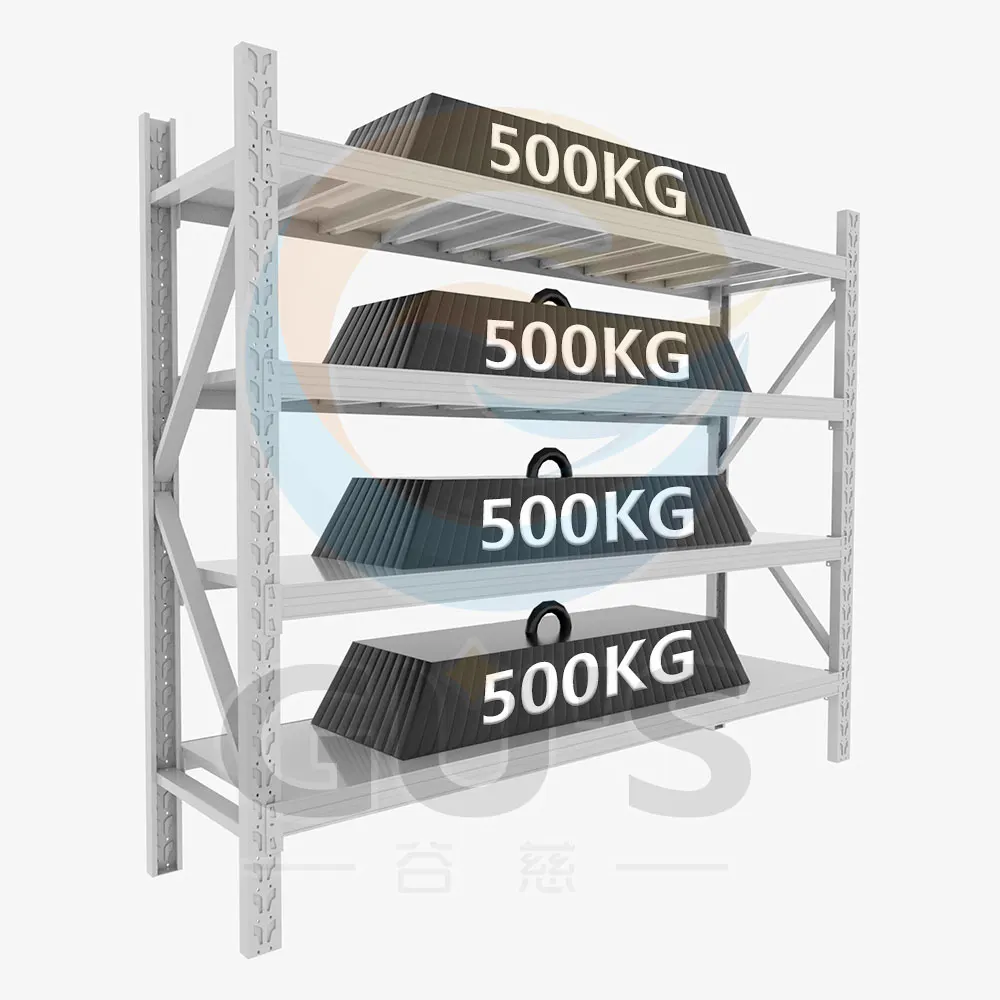
A mezzanine rack represents a sophisticated engineering solution that combines the load-bearing capabilities of traditional pallet racking with the space optimization benefits of multi-level platforms. These systems typically feature heavy-duty steel construction with integrated flooring systems that can support both personnel and equipment safely. The structural framework utilizes high-grade steel components designed to meet or exceed industry safety standards while providing the flexibility to accommodate various load requirements. Advanced engineering calculations ensure that each system can handle the specified weight distributions across multiple levels without compromising structural integrity.
The modular nature of modern mezzanine rack systems allows for customization based on specific operational requirements and space constraints. Engineers can design configurations that maximize vertical space utilization while maintaining adequate clearance for material handling equipment and personnel movement. The integration of safety features such as handrails, toe boards, and safety gates ensures compliance with occupational safety regulations while providing secure access to elevated storage areas.
One of the most significant advantages of mezzanine rack installations is their ability to integrate seamlessly with existing warehouse infrastructure without requiring major modifications to building systems. These structures can be designed to work around existing lighting, sprinkler systems, and HVAC components while maintaining full functionality of all building systems. The installation process typically requires minimal disruption to ongoing operations, allowing businesses to continue their activities while expanding storage capacity.
Professional installation teams can configure mezzanine rack systems to accommodate specific ceiling heights, column spacing, and floor load restrictions. This adaptability ensures that each installation maximizes available space while respecting the limitations of the existing building structure. The result is a storage solution that appears to be an integral part of the original building design rather than an afterthought addition.
When comparing the capital investment required for mezzanine rack systems against alternative expansion methods, the financial advantages become immediately apparent. Traditional building expansion projects typically involve costs for land acquisition, construction permits, architectural design, foundation work, and extended construction timelines that can disrupt business operations for months. In contrast, a mezzanine rack installation can often be completed within weeks at a fraction of the cost of building expansion.
The cost per square foot of usable storage space created through mezzanine rack systems typically ranges from thirty to fifty percent less than comparable new construction projects. This significant cost differential allows businesses to allocate resources more efficiently while achieving their storage expansion goals. Additionally, the shorter implementation timeline means that businesses can begin realizing returns on their investment much sooner than with traditional expansion methods.
Beyond the initial capital investment advantages, mezzanine rack systems provide ongoing operational cost benefits that contribute to their overall cost-effectiveness. The efficient use of vertical space reduces the need for additional warehouse facilities, thereby minimizing rental or property tax expenses associated with larger footprints. Utilities costs remain relatively stable since the systems utilize existing building infrastructure without significantly increasing heating, cooling, or lighting requirements.
Labor efficiency improvements represent another significant source of operational savings. Well-designed mezzanine rack systems can reduce travel distances for picking operations and improve inventory accessibility, leading to increased productivity and reduced labor costs per unit handled. The organized storage environment also reduces the time required for inventory management tasks and can decrease the likelihood of damaged goods due to improved storage conditions.
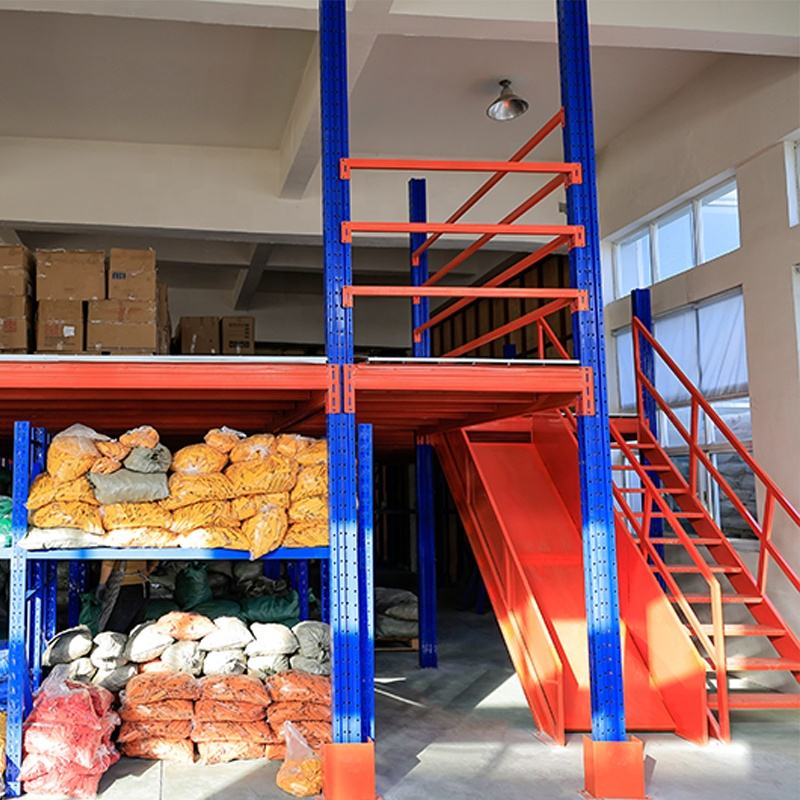
The primary advantage of mezzanine rack systems lies in their ability to transform unused overhead space into productive storage areas. Most warehouse facilities have significant vertical space that remains underutilized due to the limitations of traditional storage methods. A properly designed mezzanine rack system can effectively double the usable floor space within the same building footprint, providing immediate capacity expansion without the need for facility relocation or major construction projects.
Strategic placement of mezzanine rack levels takes into account factors such as material handling equipment requirements, worker ergonomics, and inventory turnover patterns. Higher levels can be designated for slower-moving inventory or seasonal items, while frequently accessed products remain at ground level for optimal picking efficiency. This vertical stratification approach enables businesses to organize their inventory in ways that support operational efficiency while maximizing storage density.
Modern mezzanine rack systems offer exceptional flexibility in terms of configuration and future modifications. The modular design allows for easy reconfiguration as business needs evolve, making it possible to adjust storage layouts without major reconstruction projects. This adaptability ensures that the initial investment continues to provide value even as operational requirements change over time.
The ability to incorporate different storage methods within a single mezzanine rack system provides additional optimization opportunities. Areas can be designated for pallet storage, shelving systems, or specialized storage solutions depending on the specific requirements of different product categories. This mixed-use approach maximizes the utility of the available space while maintaining organized and efficient storage operations.
Successful mezzanine rack implementation begins with comprehensive planning that takes into account current and future storage requirements, operational workflows, and building characteristics. Professional assessment of the existing facility includes evaluation of floor load capacity, ceiling height restrictions, and integration requirements with existing systems. This thorough planning phase ensures that the final installation will meet all operational objectives while complying with applicable building codes and safety regulations.
The planning process also involves detailed analysis of material flow patterns and operational procedures to optimize the placement and configuration of mezzanine rack components. Understanding how goods move through the facility enables designers to position access points, stairways, and material handling equipment interfaces for maximum efficiency. This strategic approach to layout design can significantly impact the long-term operational benefits derived from the mezzanine rack investment.
Professional installation of mezzanine rack systems requires specialized expertise and equipment to ensure safety and structural integrity. Experienced installation teams possess the knowledge and tools necessary to complete projects efficiently while minimizing disruption to ongoing operations. The installation process typically involves careful coordination with facility management to schedule work during periods of reduced activity and to maintain safe working conditions throughout the project.
Quality installation services include comprehensive testing and inspection procedures to verify that all components meet design specifications and safety requirements. This attention to detail during installation helps prevent future problems and ensures that the mezzanine rack system will provide reliable service throughout its operational life. Professional installers also provide training and documentation to facility personnel to ensure safe and effective use of the new storage system.
Mezzanine rack systems must comply with various safety regulations and building codes to ensure worker safety and structural integrity. These regulations typically address factors such as load capacity, egress requirements, fall protection, and fire safety considerations. Professional design and installation services ensure that all applicable codes are met while optimizing the functionality and efficiency of the storage system.
Compliance with occupational safety standards requires the incorporation of appropriate safety features such as handrails, toe boards, safety gates, and adequate lighting throughout the mezzanine rack structure. These safety elements are integrated into the design from the beginning rather than added as afterthoughts, ensuring that they complement the overall functionality of the system while providing necessary protection for personnel.
Maintaining safe operations with mezzanine rack systems requires ongoing attention to safety procedures and regular maintenance activities. Proper training of personnel who will be working on or around the mezzanine rack structure is essential for preventing accidents and ensuring compliance with safety regulations. Regular inspection and maintenance schedules help identify potential issues before they become safety hazards or operational problems.
Documentation of safety procedures, load limits, and maintenance schedules provides important reference information for facility personnel and regulatory inspectors. This comprehensive approach to safety management helps protect both workers and the business while ensuring that the mezzanine rack system continues to operate effectively over its service life.
The payback period for mezzanine rack systems typically ranges from 18 to 36 months, depending on factors such as current storage costs, operational efficiency gains, and avoided expansion expenses. Businesses that are currently paying high rental rates for additional warehouse space or considering facility expansion often see shorter payback periods due to the immediate cost savings achieved through vertical space utilization.
A well-designed mezzanine rack system can typically double or triple the usable storage space within an existing facility footprint. The exact capacity increase depends on factors such as ceiling height, building structure, and operational requirements. Most installations achieve between 80% and 150% increase in storage capacity compared to single-level storage configurations.
Mezzanine rack systems are ideal for storing a wide variety of products including packaged goods, parts and components, archived materials, and seasonal inventory. The multi-level design allows for strategic placement of different product types based on access frequency and handling requirements. Heavier items are typically stored on lower levels, while lighter or less frequently accessed items can be placed on upper levels.
Installation timelines for mezzanine rack systems typically range from two to six weeks, depending on the size and complexity of the project. Simple installations in smaller facilities may be completed in as little as one week, while larger or more complex systems may require additional time for proper installation and testing. The modular nature of these systems allows for phased installation approaches that minimize operational disruption.

Be the first to get our latest styles and offers.
No.11 plant of Jiawei Enterprise,Longyou Industrial Park,Longyou County,Quzhou City,Zhejiang Province Post code: 324407
Copyright © 2026 Guci Cross Border E-Commerce (Quzhou City) Co., Ltd. All rights reserved. - Privacy Policy
 EN
EN
 Hot News