
Modern warehouses and industrial facilities face increasing pressure to optimize storage capacity without expanding their physical footprint. The solution lies in leveraging vertical space through innovative storage technologies that transform underutilized overhead areas into productive storage zones. Among the most effective approaches, mezzanine rack systems have emerged as a game-changing solution that doubles or triples usable floor space while maintaining operational efficiency. These multi-level storage platforms create additional tiers above existing warehouse floors, enabling businesses to dramatically increase their storage density without the costs and complications of facility relocation or major construction projects.
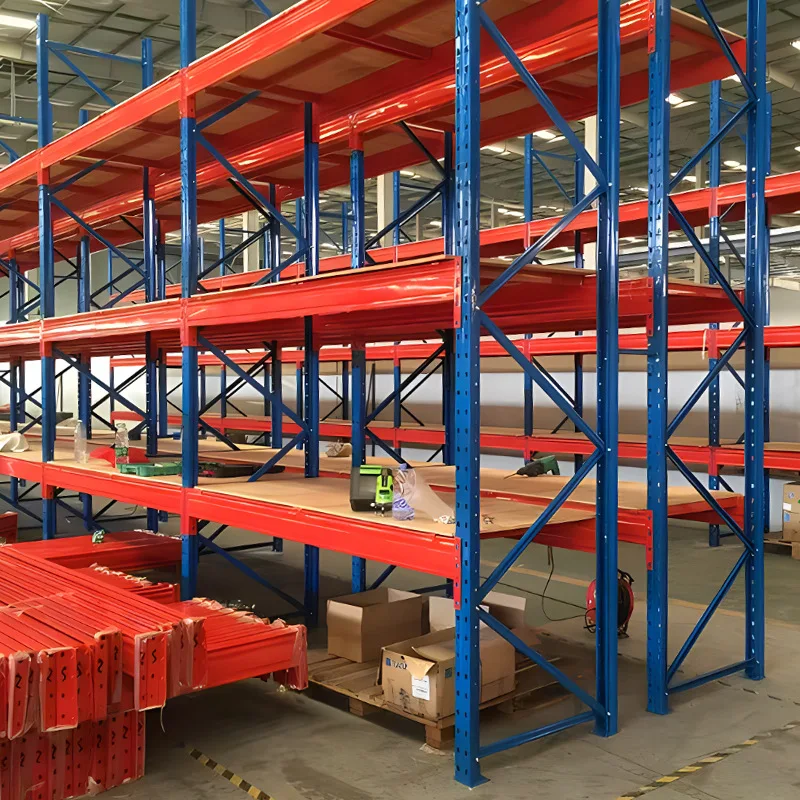
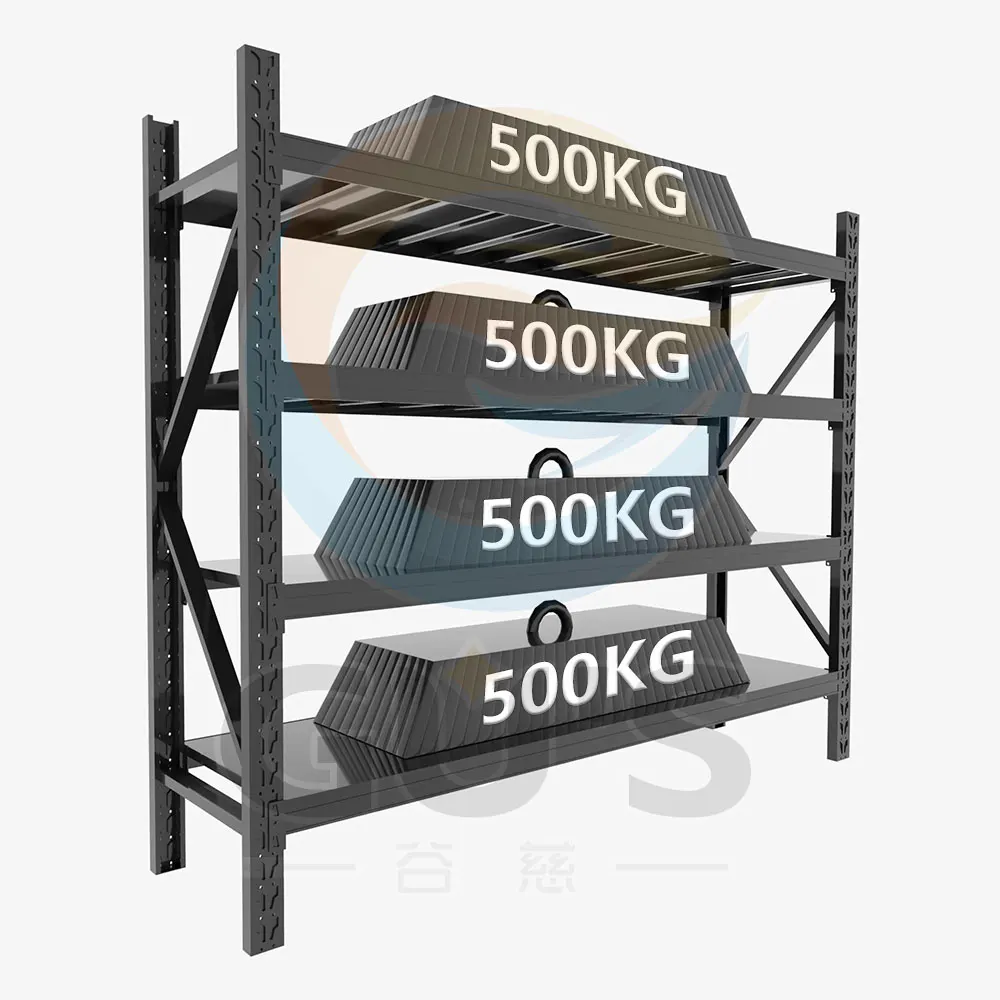
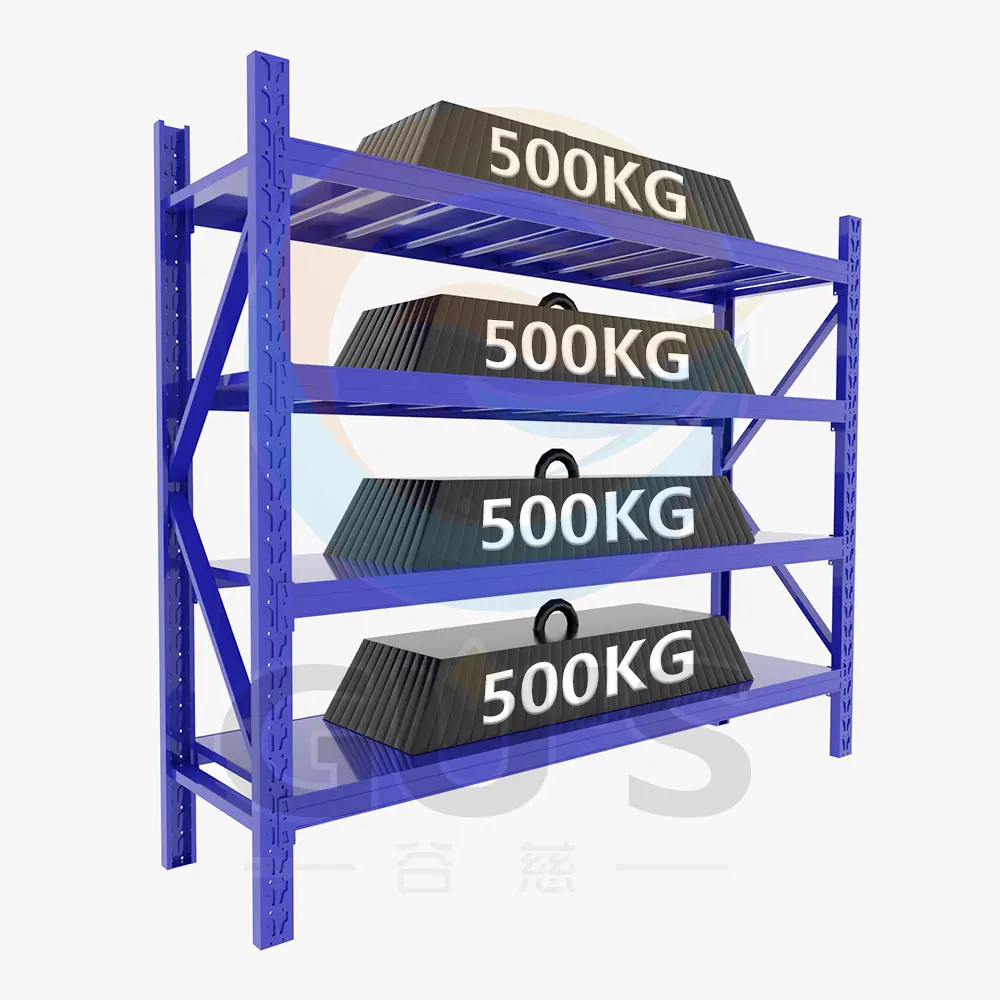
Mezzanine rack systems represent a sophisticated engineering approach to vertical storage optimization. These structures consist of steel framework platforms supported by heavy-duty uprights and reinforced with cross-bracing elements that distribute weight loads evenly across the foundation. The design incorporates multiple access points including staircases, conveyor systems, and material lifts that facilitate efficient product movement between levels. Safety features such as handrails, toe plates, and load capacity indicators ensure compliance with industrial safety standards while maintaining operational flexibility.
The modular construction of these systems allows for customization based on specific facility requirements and ceiling heights. Engineers calculate load-bearing capacities to accommodate various product weights and storage configurations, ensuring structural integrity under maximum operational conditions. Advanced designs incorporate seismic resistance features and thermal expansion joints that maintain stability across different environmental conditions common in industrial settings.
Successful implementation of mezzanine rack systems requires careful coordination with existing warehouse infrastructure including lighting, ventilation, and fire suppression systems. The platform design must accommodate overhead utilities while maintaining adequate clearance for material handling equipment operations. Integration planning considers factors such as sprinkler head positioning, emergency egress routes, and compliance with local building codes that govern multi-level industrial structures.
Modern installations often incorporate advanced features such as integrated lighting systems, climate control zones, and specialized flooring materials that enhance worker comfort and operational efficiency. The design process includes detailed assessments of existing structural elements to ensure compatibility and identify any reinforcement requirements for optimal system performance.
Effective vertical space utilization begins with strategic zone allocation that matches storage requirements to optimal height levels. High-turnover items typically occupy lower levels for easy access, while slower-moving inventory utilizes upper tiers where retrieval frequency is less critical. This approach minimizes labor costs associated with vertical movement while maximizing storage density throughout the available cubic space.
Zone optimization also considers product characteristics such as weight, fragility, and environmental requirements that influence placement decisions. Heavy items remain on ground levels to reduce structural loads on elevated platforms, while lighter products utilize upper storage areas efficiently. Temperature-sensitive goods may require specific level assignments based on thermal stratification patterns within the facility.
Efficient traffic flow design prevents bottlenecks and ensures smooth operations across multiple mezzanine levels. Strategic placement of access points, including primary and secondary staircases, creates multiple pathways that accommodate peak operational periods without congestion. Material flow analysis determines optimal conveyor placement and lift locations that minimize handling time while maximizing throughput capacity.
Advanced mezzanine rack systems incorporate traffic management features such as dedicated pedestrian walkways, equipment lanes, and emergency evacuation routes that maintain safety standards while optimizing operational efficiency. These design elements ensure compliance with occupational safety requirements while supporting high-volume warehouse activities.
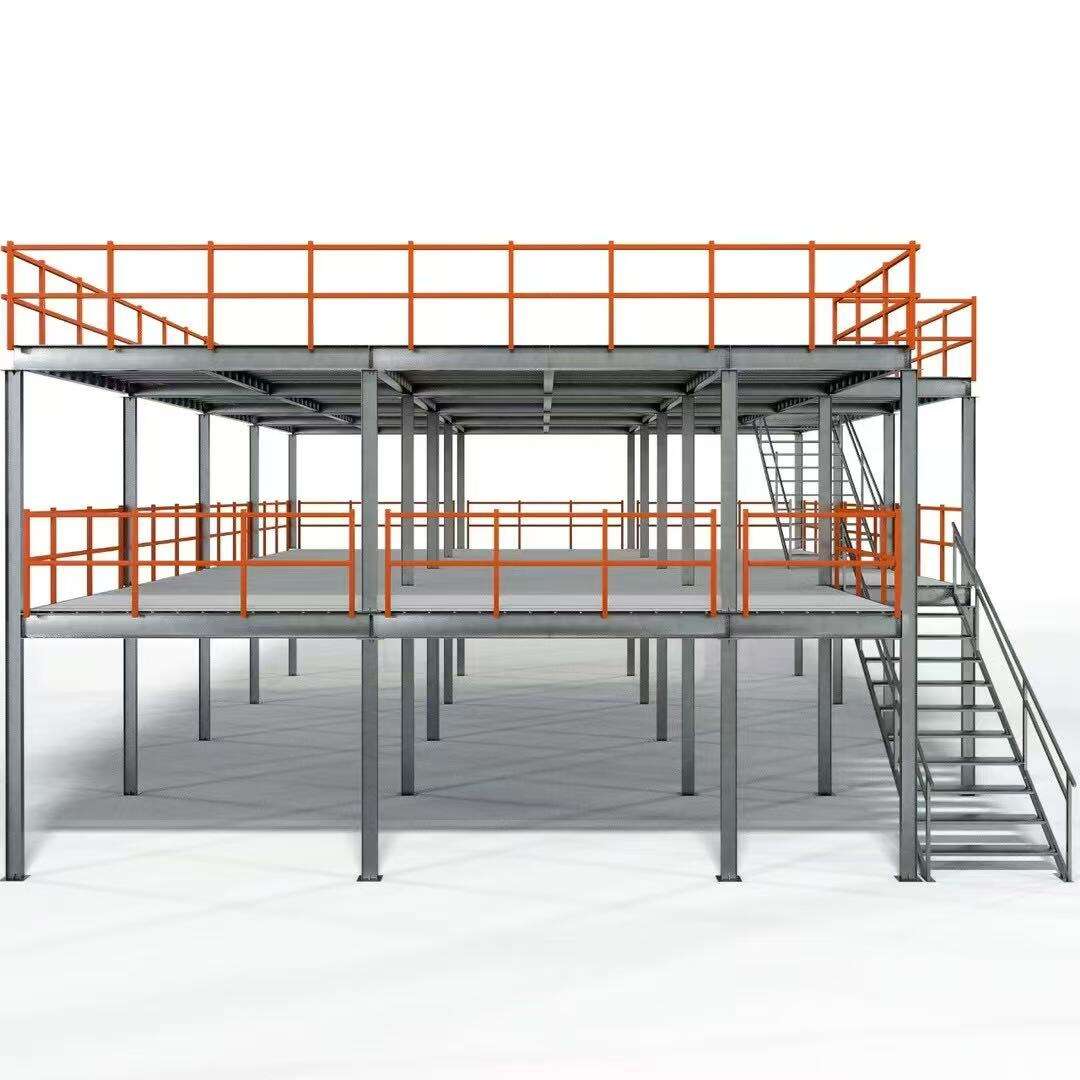
Professional installation of mezzanine storage systems requires specialized expertise in structural engineering, safety compliance, and industrial construction techniques. Qualified installers conduct comprehensive site assessments that evaluate foundation conditions, ceiling heights, and existing infrastructure compatibility before beginning construction activities. The installation process follows strict engineering specifications that ensure structural integrity and long-term operational reliability.
Installation teams coordinate with facility management to minimize operational disruptions during construction phases. Phased installation approaches allow continued warehouse operations in unaffected areas while new mezzanine sections come online progressively. Quality control measures include structural inspections, load testing procedures, and safety system verification that confirm compliance with applicable building codes and industry standards.
Maintaining safe operations on mezzanine rack systems requires comprehensive safety protocols that address unique risks associated with multi-level warehouse environments. Regular inspection schedules monitor structural components, safety barriers, and access equipment to identify potential maintenance needs before they impact operations. Load monitoring systems track weight distribution across platform areas to prevent overloading conditions that could compromise structural integrity.
Employee training programs cover specific safety procedures for mezzanine operations including proper lifting techniques, equipment operation protocols, and emergency response procedures. Safety equipment such as fall protection systems, emergency communication devices, and first aid stations provide additional security measures that protect workers throughout daily operations.
The initial investment in mezzanine rack systems typically represents a fraction of the cost associated with facility expansion or relocation while delivering comparable storage capacity increases. Cost factors include engineering design, materials, installation labor, and any required infrastructure modifications such as upgraded lighting or ventilation systems. Professional cost analysis considers long-term operational benefits that offset initial capital expenditures through improved efficiency and reduced per-unit storage costs.
Financing options for mezzanine installations often include equipment leasing programs that spread costs over multiple years while providing immediate operational benefits. Tax advantages such as depreciation schedules and equipment deductions may further improve the financial attractiveness of these storage solutions for qualifying businesses.
Long-term benefits of mezzanine rack systems extend beyond simple storage capacity increases to include improved operational efficiency, reduced labor costs, and enhanced inventory management capabilities. The additional storage space enables better product organization that reduces picking times and minimizes handling errors. Improved space utilization often eliminates the need for off-site storage facilities, reducing transportation costs and inventory management complexity.
Operational flexibility provided by modular mezzanine designs allows for future reconfiguration as business needs evolve without major reconstruction costs. This adaptability ensures continued value delivery as companies grow or modify their operational requirements over time.
Manufacturing facilities utilize mezzanine rack systems to separate production areas from finished goods storage while maximizing available square footage. The elevated platforms create dedicated zones for quality control, packaging operations, and inventory staging that improve workflow efficiency without expanding facility footprints. Distribution centers implement these systems to accommodate seasonal inventory fluctuations while maintaining rapid order fulfillment capabilities.
Case studies from automotive parts distribution demonstrate storage capacity increases of 200-300% through strategic mezzanine implementation. These facilities report improved picking accuracy, reduced labor costs, and enhanced inventory visibility that directly contribute to customer satisfaction improvements and operational cost reductions.
Retail distribution centers leverage mezzanine storage solutions to manage diverse product categories with varying turnover rates and handling requirements. The multi-level approach enables efficient segregation of fast-moving consumer goods from seasonal merchandise while maintaining rapid access to high-priority items. E-commerce fulfillment centers utilize these systems to create specialized zones for different shipping categories and packaging requirements.
Implementation in retail environments often incorporates automated material handling systems that connect mezzanine levels with ground-floor operations seamlessly. These integrated approaches reduce order processing times while maintaining accuracy standards critical for customer satisfaction in competitive retail markets.
Most mezzanine rack systems require minimum ceiling heights of 16-18 feet to accommodate both the platform structure and adequate headroom on each level. The exact height requirements depend on the intended use, with office areas requiring 8-9 feet of clearance and warehouse storage areas needing 7-8 feet minimum. Professional engineering assessments determine optimal platform heights based on specific facility dimensions and operational requirements.
Properly designed mezzanine rack systems typically double or triple usable storage space within existing facilities. The exact capacity increase depends on ceiling height, structural requirements, and operational needs, but most installations achieve 100-200% storage capacity improvements. Facilities with higher ceilings can accommodate multiple mezzanine levels for even greater capacity gains while maintaining operational efficiency.
Regular maintenance includes annual structural inspections, quarterly safety equipment checks, and ongoing monitoring of load capacities and weight distribution. Preventive maintenance schedules address component wear, joint integrity, and safety system functionality to ensure continued safe operation. Most systems require minimal maintenance when properly installed and operated within design specifications, making them cost-effective long-term storage solutions.
Modular mezzanine designs allow for reconfiguration, expansion, or relocation as business needs change over time. The structural components can be disassembled and reinstalled in different configurations or entirely new locations with proper engineering oversight. This flexibility provides long-term value and adaptability that traditional construction methods cannot match, making mezzanine systems attractive investments for growing businesses.

Be the first to get our latest styles and offers.
No.11 plant of Jiawei Enterprise,Longyou Industrial Park,Longyou County,Quzhou City,Zhejiang Province Post code: 324407
Copyright © 2026 Guci Cross Border E-Commerce (Quzhou City) Co., Ltd. All rights reserved. - Privacy Policy
 EN
EN
 Hot News