
Warehouses and distribution centers facing space constraints often turn to vertical storage solutions to maximize their operational capacity. A mezzanine rack system represents one of the most effective approaches to doubling or even tripling usable floor space without expanding the building footprint. These elevated storage platforms have become essential components in modern warehouse design, offering businesses the opportunity to scale their operations efficiently while maintaining cost-effective overhead management.
The selection process for implementing mezzanine rack systems requires careful consideration of multiple factors including load requirements, ceiling height, accessibility needs, and integration with existing warehouse management systems. Understanding these critical elements ensures that businesses make informed decisions that will serve their long-term storage objectives while providing adequate return on investment.
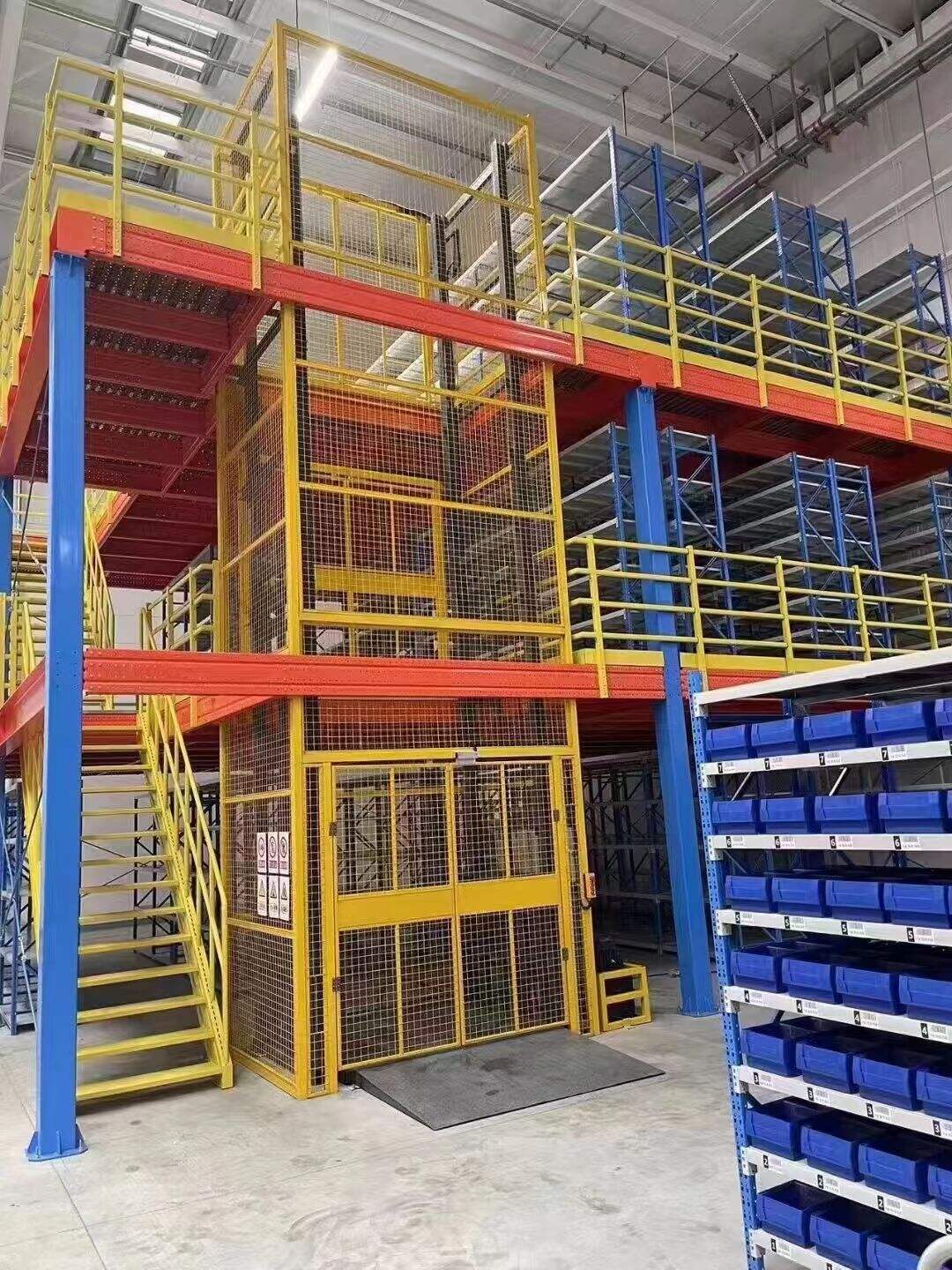
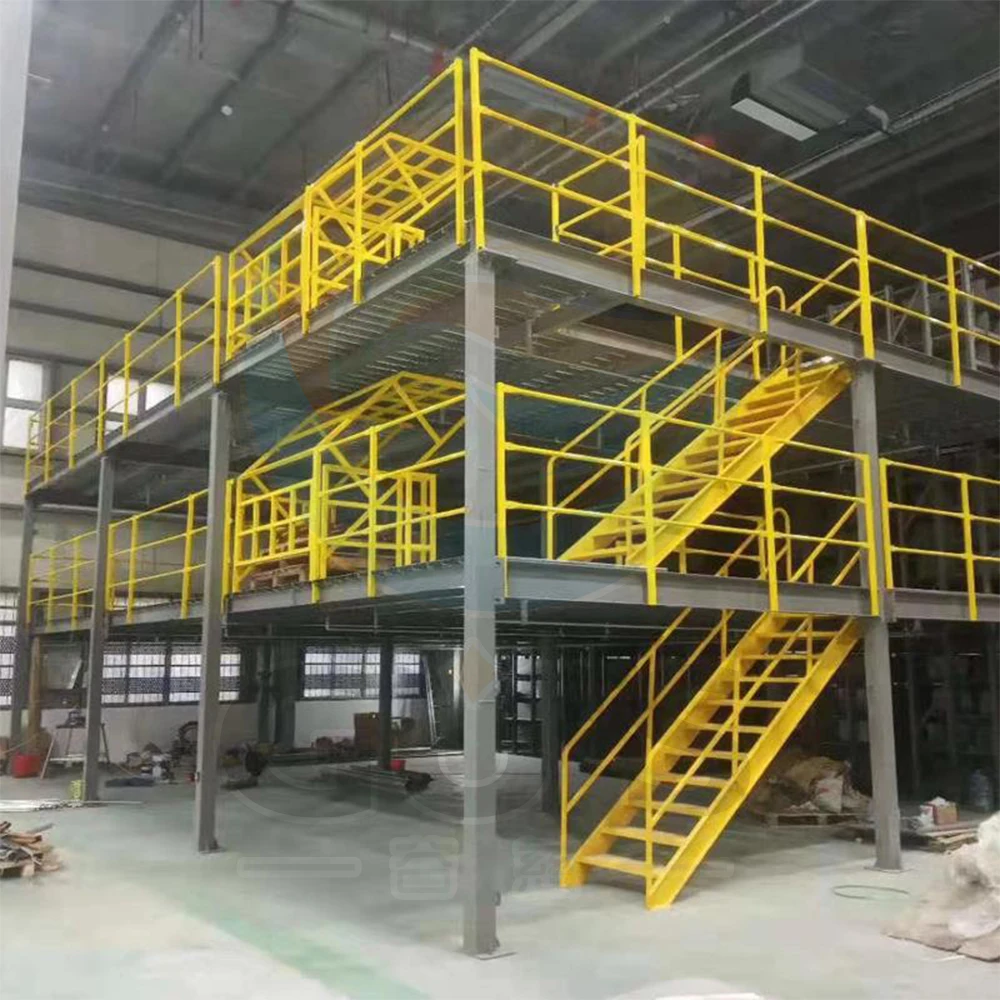
A mezzanine rack system consists of several key structural components that work together to create a stable, elevated storage platform. The primary framework typically includes steel columns, beams, and decking materials that are engineered to support specific weight loads. These components must be carefully selected based on the intended use, whether for light picking operations, heavy pallet storage, or equipment placement.
The engineering specifications for mezzanine rack systems follow strict building codes and safety regulations. Load calculations must account for both live loads, which include stored products and personnel, and dead loads representing the weight of the structure itself. Professional engineers typically design these systems to handle distributed loads ranging from 125 to 250 pounds per square foot, though specialized applications may require higher capacity ratings.
Material selection plays a crucial role in the overall performance and longevity of the system. High-grade structural steel provides the necessary strength and durability for industrial applications, while the decking material options include concrete, steel grating, or composite panels depending on specific operational requirements. Each material choice impacts factors such as fire resistance, chemical compatibility, and maintenance requirements.
Determining appropriate load capacity represents one of the most critical aspects of mezzanine rack selection. The system must safely accommodate the maximum anticipated weight while maintaining structural integrity under various loading conditions. This includes considerations for concentrated loads from heavy equipment, uniformly distributed loads from stored inventory, and dynamic loads from material handling equipment.
Safety standards governing mezzanine rack installations are established by organizations such as the Occupational Safety and Health Administration and the International Building Code. These regulations specify requirements for guardrails, stair systems, emergency egress, and structural design factors. Compliance with these standards is mandatory and requires proper documentation throughout the design and installation process.
Regular structural inspections and load testing ensure ongoing safety and compliance throughout the operational life of the mezzanine rack system. Establishing maintenance protocols and keeping detailed records of any modifications or repairs helps maintain the system's integrity and protects against liability issues. Professional engineers should review any significant changes to loading patterns or operational procedures that might affect the system's performance.
Effective mezzanine rack implementation requires adequate ceiling height to accommodate both the upper and lower storage levels while maintaining proper clearances for material handling equipment. Most installations require minimum ceiling heights of 16 to 20 feet, though optimal performance is achieved with heights of 24 feet or greater. These measurements must account for structural beam depths, sprinkler system clearances, and equipment operation zones.
Clearance requirements extend beyond simple height measurements to include considerations for forklift operations, conveyor systems, and personnel movement. The lower level typically requires 8 to 10 feet of clear height for standard forklift operations, while the upper level needs similar clearances plus additional space for the structural framework. Proper planning ensures that both levels remain fully functional and accessible.
Building infrastructure elements such as HVAC systems, electrical conduits, and sprinkler networks must be integrated into the mezzanine rack design. These systems may require relocation or modification to accommodate the new structure, which can significantly impact project costs and timelines. Early coordination with facility engineers helps identify potential conflicts and develop appropriate solutions.
Successful mezzanine rack installations require seamless integration with existing warehouse operations and material handling systems. This includes compatibility with current inventory management systems, picking processes, and transportation networks. The design must facilitate efficient product flow between storage levels while minimizing disruption to ongoing operations.
Material handling equipment selection becomes critical when implementing mezzanine rack systems. Options include conveyor systems for automated movement between levels, goods lifts for heavy items, and specialized stair systems for personnel access. Each solution offers different advantages in terms of throughput capacity, operational costs, and maintenance requirements.
Technology integration opportunities include automated storage and retrieval systems, wireless communication networks, and environmental monitoring systems. These additions can enhance operational efficiency and provide valuable data for inventory management and facility optimization. However, they also increase system complexity and require careful planning to ensure reliable operation.
The choice of steel grade significantly impacts the performance, durability, and cost of a mezzanine rack system. Common structural steel grades include A36, A572, and A992, each offering different strength characteristics and price points. Higher grade steels allow for reduced material usage while maintaining load capacity, potentially offsetting their higher unit costs through overall system efficiency.
Corrosion resistance becomes particularly important in environments with high humidity, chemical exposure, or temperature fluctuations. Galvanized coatings provide excellent protection against rust and corrosion, extending the operational life of the system. Alternative coating options include powder coating and specialized chemical-resistant finishes that may be required for specific industrial applications.
Connection methods and fastening systems affect both the structural integrity and assembly efficiency of mezzanine rack installations. Bolted connections offer flexibility for future modifications and relocations, while welded joints provide maximum strength for permanent installations. The choice between these options depends on long-term facility plans and operational requirements.
Decking material selection influences multiple aspects of mezzanine rack performance including load distribution, fire resistance, and maintenance requirements. Concrete decking provides excellent load distribution and fire resistance but adds significant weight to the structure. Steel grating offers superior drainage and visibility between levels while maintaining good load capacity for many applications.
Composite decking materials combine benefits of different substrate materials while addressing specific operational needs. These products can offer improved slip resistance, chemical compatibility, and thermal insulation properties. However, they may have different load characteristics and expansion properties that must be considered in the structural design.
Surface treatments such as non-slip coatings, anti-static materials, and specialized finishes can enhance safety and operational efficiency. These treatments must be compatible with the base decking material and maintain their properties under expected loading and environmental conditions. Regular inspection and maintenance of surface treatments help ensure continued effectiveness and safety.
The initial cost of a mezzanine rack system encompasses multiple components beyond the basic structural elements. Design and engineering fees typically represent 10 to 15 percent of the total project cost and are essential for ensuring proper system performance and code compliance. Professional installation services add additional costs but provide important warranties and quality assurance.
Permit and inspection fees vary by location and project complexity but must be factored into the overall budget. These costs can range from hundreds to thousands of dollars depending on local regulations and required inspections. Building modifications such as sprinkler system upgrades or electrical work can significantly increase project costs and should be identified early in the planning process.
Equipment and accessory costs include items such as material handling systems, safety equipment, and integration components. These elements are often essential for full system functionality but may not be included in basic structural pricing. Comprehensive budget planning should account for all components needed to achieve operational objectives.
The financial benefits of mezzanine rack systems extend well beyond the initial space gain to include operational efficiencies and cost savings. Increased storage capacity allows businesses to avoid expensive building expansions or off-site storage costs. The ability to maintain inventory closer to shipping areas can reduce labor costs and improve order fulfillment times.
Energy savings represent another significant benefit of mezzanine rack systems. By utilizing vertical space more efficiently, businesses can reduce their building footprint and associated heating, cooling, and lighting costs. Advanced lighting systems integrated into the mezzanine structure can provide focused illumination while minimizing energy consumption.
Property value improvements often result from well-designed mezzanine rack installations. These systems can be considered permanent improvements that increase the functional capacity and attractiveness of industrial properties. However, the specific impact on property values depends on local market conditions and the quality of the installation.
Thorough site assessment forms the foundation for successful mezzanine rack installation projects. This process includes detailed measurements of available space, evaluation of existing structural conditions, and identification of potential obstacles or conflicts. Soil conditions and foundation capacity may require evaluation for heavily loaded systems or when significant structural modifications are needed.
Utility mapping identifies the locations of electrical systems, plumbing, gas lines, and other infrastructure that might be affected by the installation. This information helps prevent costly surprises during construction and allows for proper coordination of any required relocations or modifications. Access routes for construction equipment and materials must also be evaluated and planned.
Operational impact assessment considers how the installation process will affect ongoing warehouse operations. Phased installation approaches can minimize disruption by allowing continued use of unaffected areas. Temporary storage arrangements and alternative workflow patterns may be necessary during construction periods.
Effective project timeline management requires careful coordination between design, permitting, manufacturing, and installation phases. Lead times for engineered mezzanine rack systems typically range from 6 to 12 weeks depending on complexity and customization requirements. Rush orders may be possible but often incur significant cost premiums.
Installation scheduling must account for the availability of specialized equipment and skilled technicians. Weather conditions can affect outdoor work or projects in buildings without climate control. Coordination with other trades such as electricians, sprinkler contractors, and flooring specialists ensures efficient project completion.
Quality control checkpoints throughout the installation process help ensure proper assembly and compliance with design specifications. Regular inspections by qualified personnel identify potential issues before they become major problems. Final inspections and system commissioning verify that all components function properly and meet safety requirements.
Establishing comprehensive preventive maintenance programs ensures optimal performance and safety throughout the operational life of mezzanine rack systems. Regular inspections should focus on structural connections, load-bearing components, and safety systems. These inspections help identify wear patterns, corrosion, or damage that could compromise system integrity.
Documentation requirements include maintaining detailed records of inspections, repairs, and modifications. This information supports warranty claims, regulatory compliance, and long-term planning decisions. Digital maintenance management systems can streamline record-keeping and provide automated scheduling for routine maintenance activities.
Training programs for facility personnel ensure proper understanding of load limits, safety procedures, and reporting protocols. Well-trained staff can identify potential problems early and help prevent damage from improper use. Regular refresher training keeps safety awareness high and addresses any changes in operational procedures or equipment.
Ongoing performance monitoring involves tracking key metrics such as storage density, picking efficiency, and operational costs. This data helps identify opportunities for optimization and supports decisions about future expansions or modifications. Advanced monitoring systems can provide real-time information about loading conditions and system performance.
Expansion planning considerations include the potential for future modifications or additions to existing mezzanine rack systems. Designing initial installations with expansion capability can reduce future costs and disruption. Modular system approaches offer flexibility for adapting to changing operational requirements.
Technology upgrades may become available that can enhance the functionality or efficiency of existing systems. Retrofitting capabilities depend on the original design and installation quality. Regular evaluation of new technologies helps identify cost-effective improvement opportunities.
Industrial mezzanine rack systems typically support loads ranging from 125 to 250 pounds per square foot for standard applications. Heavy-duty systems can be engineered to handle up to 500 pounds per square foot or more for specialized applications. The specific load capacity depends on factors such as span lengths, support spacing, and material specifications. Professional structural engineers determine the appropriate capacity based on intended use and safety requirements.
Effective mezzanine rack installation typically requires minimum ceiling heights of 16 to 20 feet, with optimal performance achieved at 24 feet or higher. This allows for adequate clearance on both the ground level and mezzanine level for material handling equipment and personnel movement. The actual height requirement depends on the specific equipment used, storage methods, and building code requirements for the particular application.
The primary cost factors include system size and complexity, load capacity requirements, material specifications, and installation complexity. Engineering and design fees typically add 10 to 15 percent to the base cost. Additional expenses may include building modifications, permit fees, specialized equipment integration, and safety accessories. Custom features and expedited delivery schedules can significantly increase overall project costs.
A typical mezzanine rack installation project requires 8 to 16 weeks from design approval to completion. This includes 4 to 8 weeks for engineering and manufacturing, plus 2 to 4 weeks for installation depending on system complexity and size. Larger or more complex projects may require additional time, particularly if building modifications or extensive integration work is needed. Proper planning and coordination can help minimize project duration and operational disruption.

Be the first to get our latest styles and offers.
No.11 plant of Jiawei Enterprise,Longyou Industrial Park,Longyou County,Quzhou City,Zhejiang Province Post code: 324407
Copyright © 2026 Guci Cross Border E-Commerce (Quzhou City) Co., Ltd. All rights reserved. - Privacy Policy
 EN
EN
 Hot News